Moldova's obsolete ambulances: CNAMUP needs 100 more
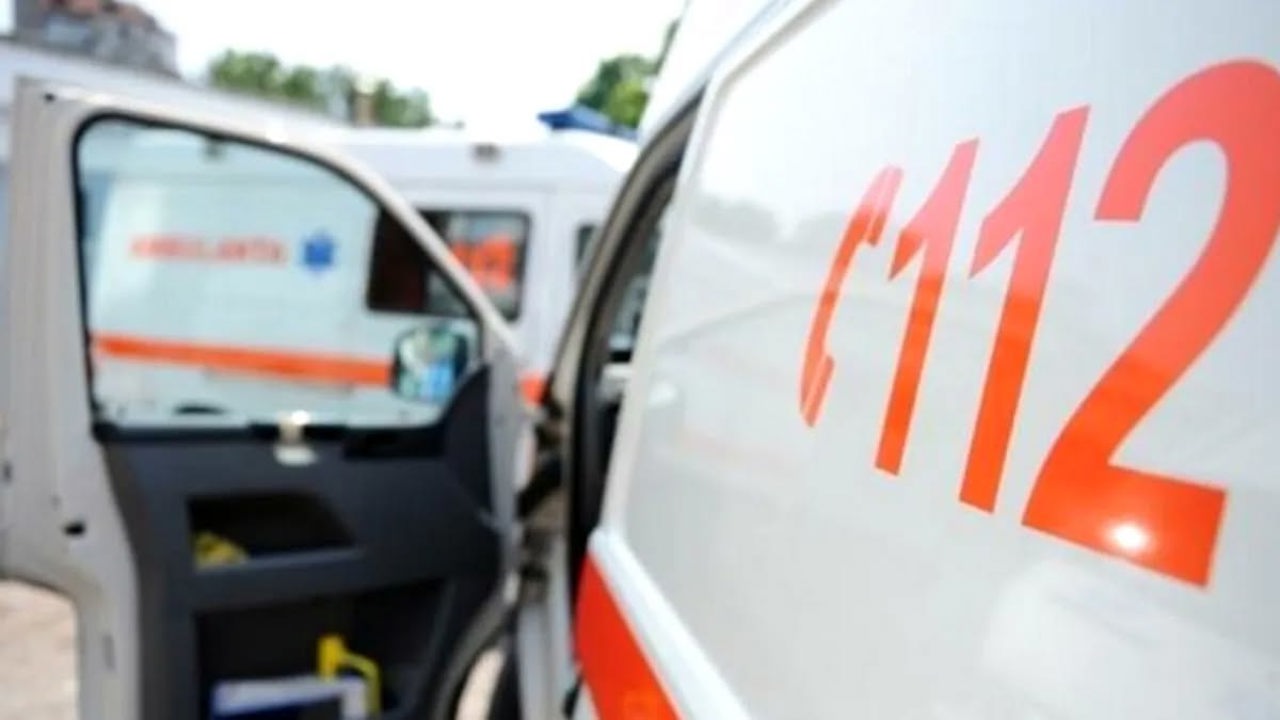
More than half of the ambulances belonging to the National Prehospital Emergency Medical Assistance Center (CNAMUP) are obsolete, threatening their ability to respond quickly in emergencies.
Authorities have purchased 209 new ambulances in the last four years. CNAMUP Director Iurie Crasiuc argues that at least 100 more ambulances are needed to ensure an adequate emergency response.
The CNAMUP vehicle fleet currently has about 430 ambulances, but the fleet's depreciation rate is 60%. According to Director Iurie Crasiuc, the ambulance fleet should be renewed by at least 50 percent.
“This requires substantial financial resources. We would, however, be very satisfied if we could secure at least 100 more ambulances. We have around 268 to 270 teams on shift, but if we include the consultation and inter-hospital transport service, we have eight more teams. This level of renewal—at least 60 to 100 ambulances annually—is necessary to ensure we are fully covered. Otherwise, we risk failing to provide the service with the necessary ambulances,” Crasiuc continued.
“We hope a reserve fund will be created; we have an understanding with the Ministry of Health and insurance companies. We hope that starting next year, special resources will be allocated annually for the purchase of at least 50 to 60 ambulances from a reserve fund designated for the National Emergency Medical Assistance Service,” Iurie Crasiuc told Teleradio-Moldova.
However, vehicle degradation is not the only problem: sirens and lights do not guarantee priority for ambulances, and road accidents are frequent. Every year, between 30 and 50 ambulances end up in the repair shop.
New ambulances and lifesaving figures
In the last four years, 209 new ambulances were distributed across the four regions of Moldova, costing 268 million lei. The cost was covered by the Ministry of Health through European projects. Additionally, 35 substations and emergency medical assistance points have been built and renovated nationwide.
By the end of the current year, CNAMUP is set to receive six more ambulances, thanks to a cross-border project financed by European funds and implemented together with partners from Iași, Romania.
“The distribution of ambulances is done according to existing needs,” Iurie Crasiuc emphasized.
Thanks to the new ambulances, which are equipped with high-performance medical equipment, CNAMUP is managing to save more lives.
“Five years ago, the service performed only three to six annual resuscitations; this figure has now risen to between 90 and 100, 90% of which are successful. In the first nine months of the current year, we already have 85 resuscitations that resulted in saving the patient. We try to reach the location of the call as quickly as possible, and the closest team is dispatched. But we also have standards, particularly for major medico-surgical emergencies, which state that in rural areas, we must arrive within an interval of up to 25 minutes, and in urban areas, up to 15 minutes,” Iurie Crasiuc stated.
Daily, CNAMUP receives between 2,150 and 2,250 calls. During the cold periods of the year, there are even up to 2,600 calls per day.
Most frequently, an ambulance is requested for cardiovascular emergencies—around 28%, followed by respiratory emergencies—about 20%. Neurological emergencies have recently increased and account for 13–14%, and traumatological emergencies are in fourth place—approximately 8%.
Translation by Iurie Tataru