Russia’s new law allows reserve deployment in Ukraine
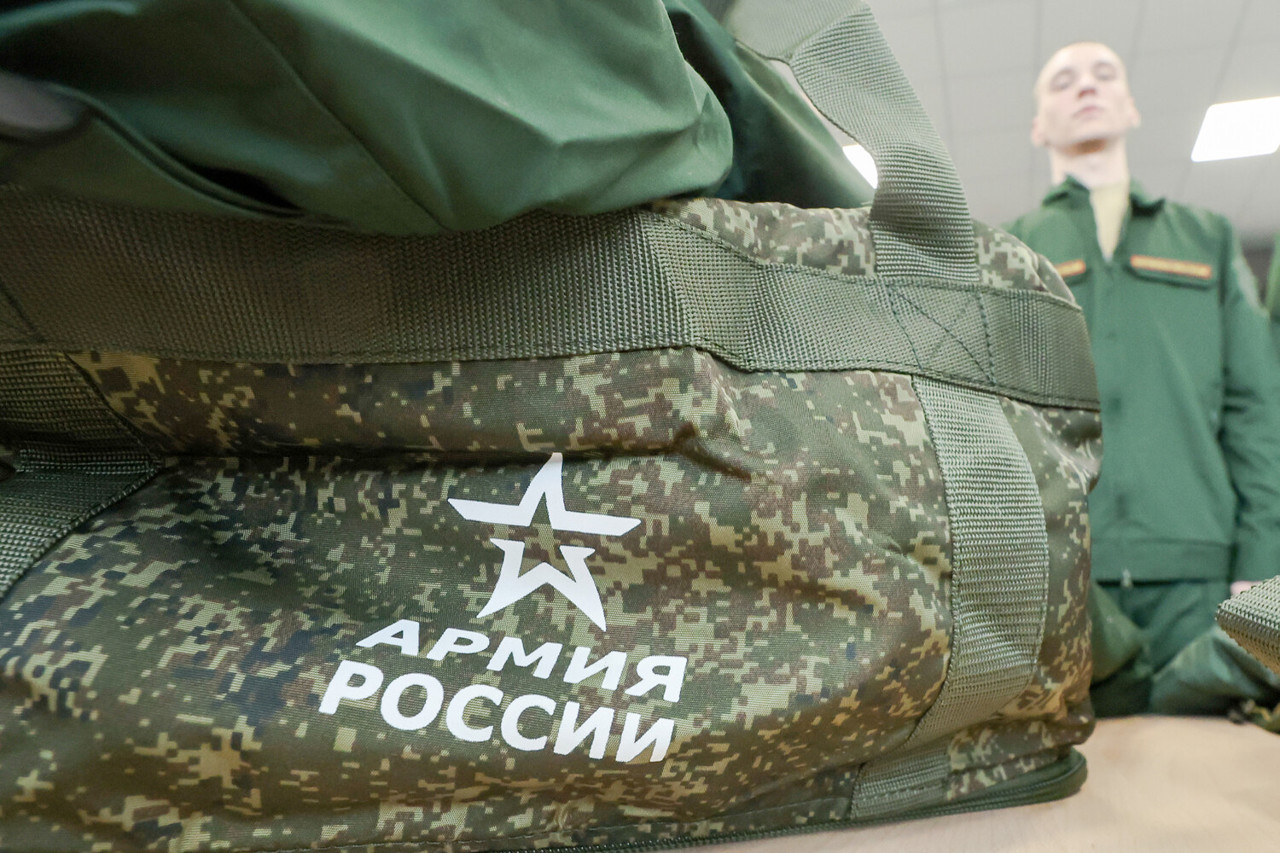
Russia’s government has approved a bill allowing President Vladimir Putin to use its massive military mobilisation reserve for armed conflicts abroad, without formally declaring mobilisation or martial law.
The reserve was established by a presidential decree in 2015, according to The Moscow Times.
This measure could allow up to two million people to be deployed for military needs, Alexei Zhuravlev, Deputy Chairman of the State Duma Defence Committee, told RTVI.
"We are effectively conducting real, large-scale military actions, but officially, war has not been declared. These legal nuances limited the Ministry of Defence's ability to manoeuvre, and now they have been eliminated," the deputy said.
The reserve comprises individuals who voluntarily served and received remuneration, allowances, and benefits. Though now in reserve status, they continue to receive compensation and other facilities.
Mr Zhuravlev stressed that these individuals would be called up "in many more situations than before," adding that this was "completely normal, especially considering the situation our country is in."
The draft law specifies that reservists will undergo "special training courses," lasting a maximum of two months, to fulfil 'defence tasks'. Corresponding amendments will be introduced to the laws "On Military Duty and Military Service" and "On the Status of Military Personnel."
The changes only concern citizens who have voluntarily concluded a contract for reserve membership, not those in the simple military reserve, Igor Cherepanov, Vice President of the Association of Lawyers of Russia, explained to RBC.
Missions for these reservists can be wide-ranging, including deployment to the Ukrainian front. The legislation includes a provision for using the reserve outside Russia, relevant to areas like Sumy or Kharkiv, where fighting is occurring but which are de jure outside Russian territory, explained Andrei Kartapolov, Chairman of the State Duma Defence Committee.
The initiative appears to be a precautionary measure should the current mobilisation conclude but more personnel be required than can be recruited through conscription, Grigory Sverdlin, founder of the "Idite lessom" ('Go into the woods' / 'Take a hike') project, told "Agentstvo."
"It appears they are simply untying their hands, thereby giving themselves freedom of action," he said.
Under current Russian law, reservists can only be deployed to battle following an official mobilisation, requiring mobilisation commissions that have been non-operational since 2023, human rights defender Artyom Klyga highlights.
"We see that the authorities are avoiding a second wave of mobilization, which is why they need another procedure that allows them to use the mobilization reserve," Mr Klyga added.
Mr Kartapolov confirmed that the reserve comprises individuals with a registered military specialty or those who have signed a contract with the Ministry of Defence. He explained that after signing the contract, they receive remuneration while continuing their civilian activity, but "in case of necessity, they are the first to be called to the military commissariat and sent for training or other activities." He added that many citizens enrolled in the reserve are already in regions bordering Ukraine.
Translation by Iurie Tataru