Georgia 'hostage' to regime, EU support crucial – MEPs
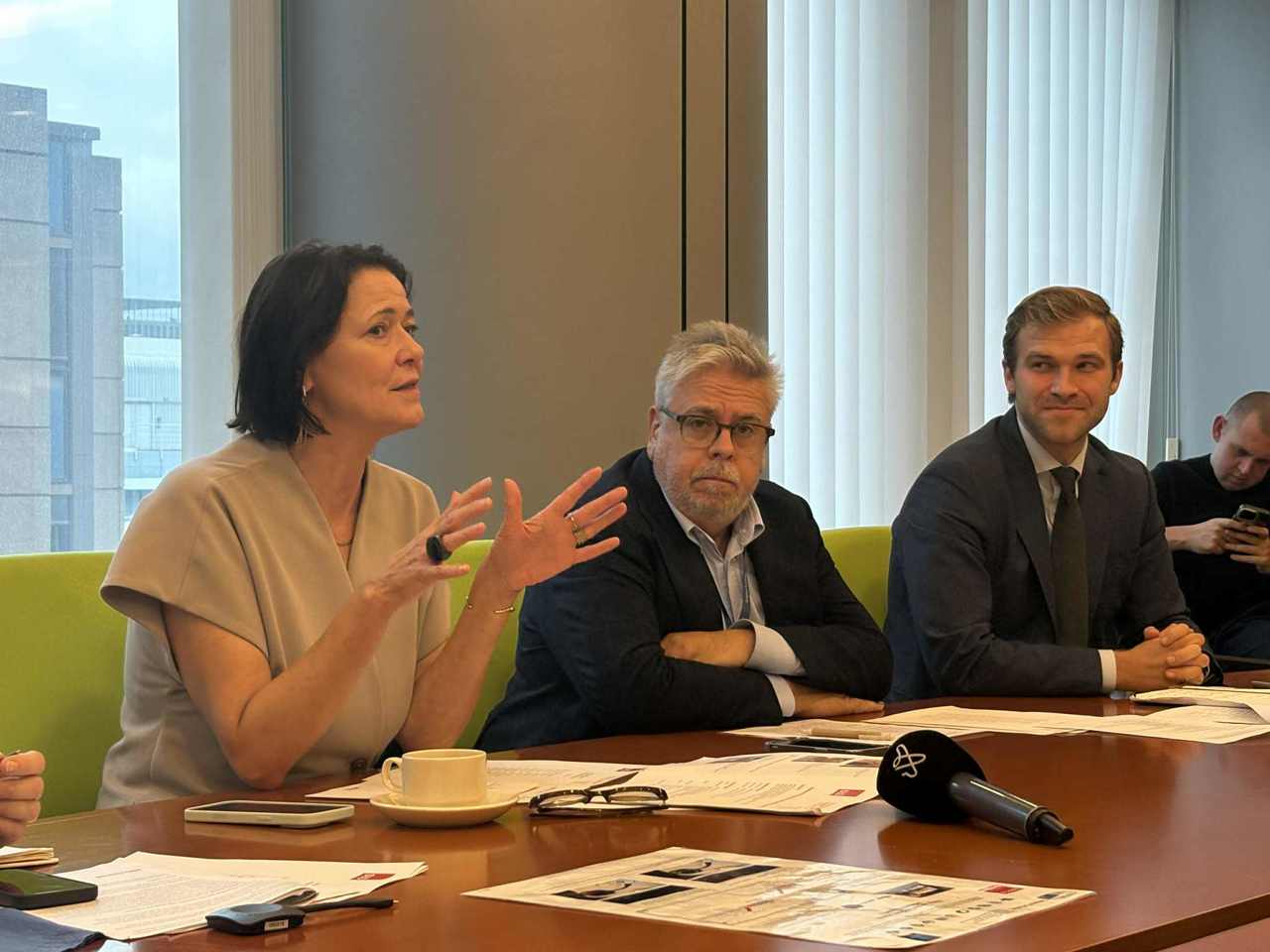
Georgia is facing "accelerated democratic backsliding," and its people are being held hostage by a regime that has "lied" about the country's European path, according to three MEPs from the centre-left S&D group, who recently returned from Tbilisi.
Georgia is at a crossroads, and EU support for civil society and the opposition is crucial to avoid a complete slide into authoritarianism – this was the conclusion of the three MEPs after their two-day visit to the Georgian capital. The visit followed local elections on October 4, which once again resulted in a victory for the ruling "Georgian Dream" party, in power in Georgia for 13 years.
Although initially seen as a pro-European party, one month after the general elections on October 26, 2024, "Georgian Dream" halted the country's EU accession process. Following this contested vote, Tbilisi returned to the Kremlin's sphere of influence, especially after the adoption of the so-called "foreign agents" law, a Russian-inspired piece of legislation intended to limit freedom of expression and the free press, alongside unfriendly laws targeting the LGBTQ+ community.
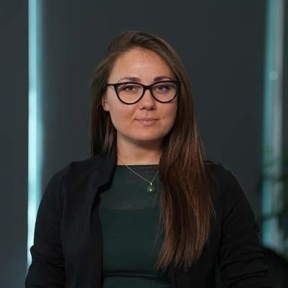
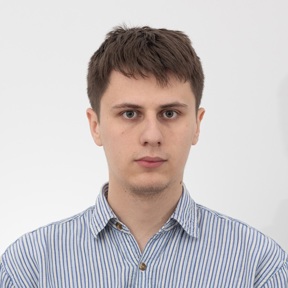
Kathleen Van Brempt (S&D Vice-President for Enlargement), Nacho Sánchez Amor (Coordinator for Foreign Affairs), and Tobias Cremer (substitute rapporteur for Georgia) delivered a firm message: "Georgian Dream" can no longer claim to support the country's European path while systematically acting against it.
"I was deeply impressed by the courage of the people I met – from civil society, the opposition, and the media. Many are on the verge of collapse. They need political action, not just empathy," Ms Van Brempt said. She emphasized that the main request from civil society is the organization of early parliamentary elections, under fair and transparent conditions.
In a clear appeal to Brussels, Ms Van Brempt called for a firmer involvement of the European Commission in monitoring the electoral process in Georgia and the application of real diplomatic pressure. She also warned against the increasing influence of Russian propaganda in the region, stressing that the EU must demonstrate that enlargement is not just a technical procedure, but a political commitment to democratic values.
"Democratic backsliding faster than Turkey"
Nacho Sánchez Amor compared the democratic backsliding in Georgia to other authoritarian regimes, stating that "what took a decade in other countries has happened here in just two and a half years." The MEP accused the ruling party of hiding its intention to abandon European integration, thus manipulating the electorate.
Mr Sánchez Amor advocated for broad, not symbolic, personal sanctions: "We are not talking about 100 people. We are talking about 1,000–2,000 individuals from the circle of power who need to be targeted by real sanctions."
He also criticised the ruling party's control over the media, the repression of peaceful protests, and pressure on NGOs, calling on the European Commission to actively use the conditionality mechanism regarding EU funds.
"The European future is being stolen from the Georgian people"
Mr Cremer, the substitute rapporteur for Georgia, declared the "Georgian Dream" was following the Kremlin's playbook, and that "the European future is being stolen from the Georgian people."
"I have seen the extraordinary courage of those who have been protesting peacefully for over 300 days, fined huge amounts, threatened, but who do not give up. 78% of Georgians still want to be in Europe – and we stand with them," he said.
The MEP called for the removal of loopholes in the sanctions regime, pointing out that Georgian officials targeted by bans on diplomatic passports are using their personal passports to travel to Europe: "Ordinary people in Georgia told us how painful it is to see these people vacationing in European luxury resorts."
Mr Cremer also reaffirmed support for the independent press and announced that the journalist arrested in Tbilisi, Mzia Amaglobeli, has been nominated for the Sakharov Prize – the EU's highest recognition for human rights work.
Early elections, support for civil society
The three S&D MEPs delivered a clear message: "Georgia still has a chance to return to the European path," but this depends on the organisation of free and fair elections, the will of the citizens, and a firm reaction from the European Union.
"We cannot change the regime in Georgia. The people must do that. And for that, real democracy is needed, not just simulations," said Ms Van Brempt, S&D Vice-President for Enlargement.
EU and Moldova flags – a source of inspiration for Georgian protesters
When asked about the difference between the elections in Moldova and those in Georgia, the MEPs highlighted an essential difference in approach.
"In Moldova, we saw a pro-European government fighting a disinformation campaign from Russia. In Georgia, we see a government that used to be pro-European, but which, in the last three or four years, has made a complete turnaround," Mr Cremer said.
He noted that the Georgian protesters are probably inspired by the example of Moldova, where Russia tried to buy votes, intimidate voters, and spread disinformation — the entire Russian playbook. "And yet, the Moldovans stood up and said: No, Russia, we decide our future!", Mr Cremer highlighted, referring to the message conveyed by the Georgian protesters, who carry the flag of the Republic of Moldova, alongside that of Georgia.
"They walk the streets waving the blue flag with yellow stars. To them, the flag symbolises freedom, democracy, the future, prosperity, and true independence – one where the Kremlin does not dictate their direction," Tobias Cremer added, confessing that not even in his home country, Germany, did he feel the European sentiment as intensely as he did in Tbilisi in December 2024.
"I found it incredibly moving how the European flags filled the streets. I remember people coming out onto their balconies and singing the anthem of the European Union when they found out we were MEPs," the German MEP also said.
Translation by Iurie Tataru