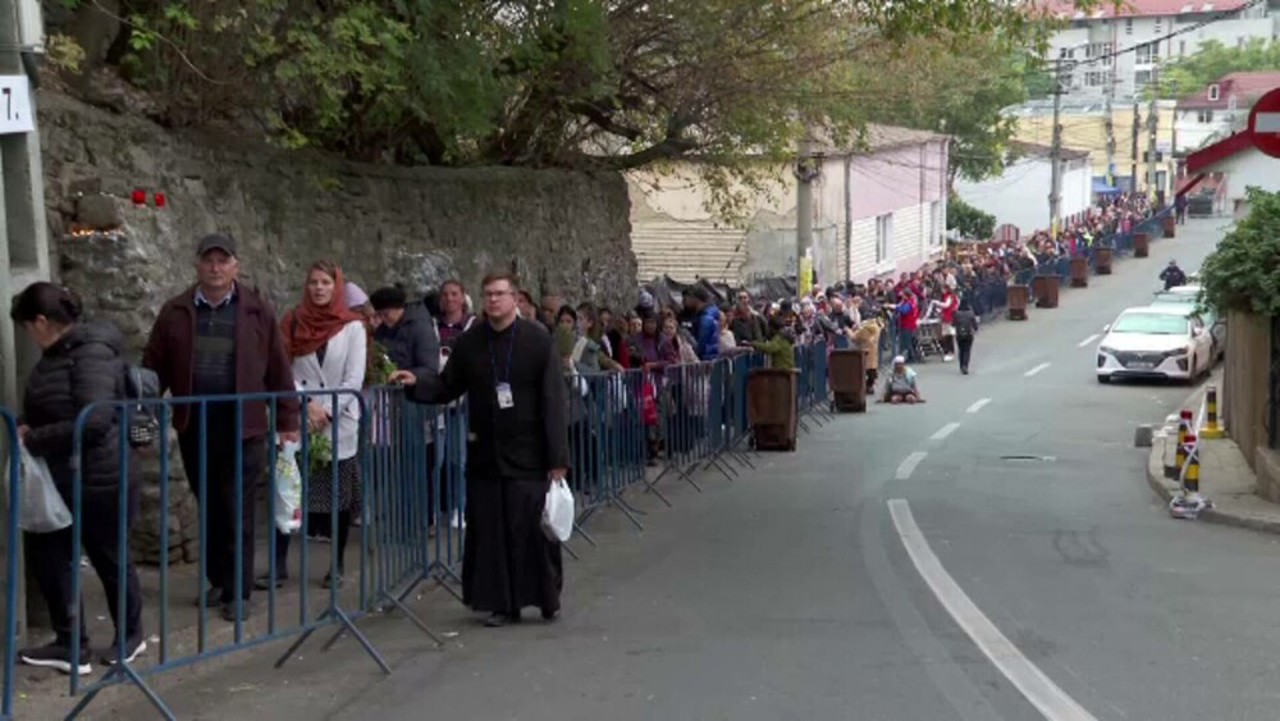
Iași: 166,000 pilgrims queue for Saint Paraskeva relics

In Iași, Romania, Orthodox Christians have been celebrating their patronal feast day on 14 October.
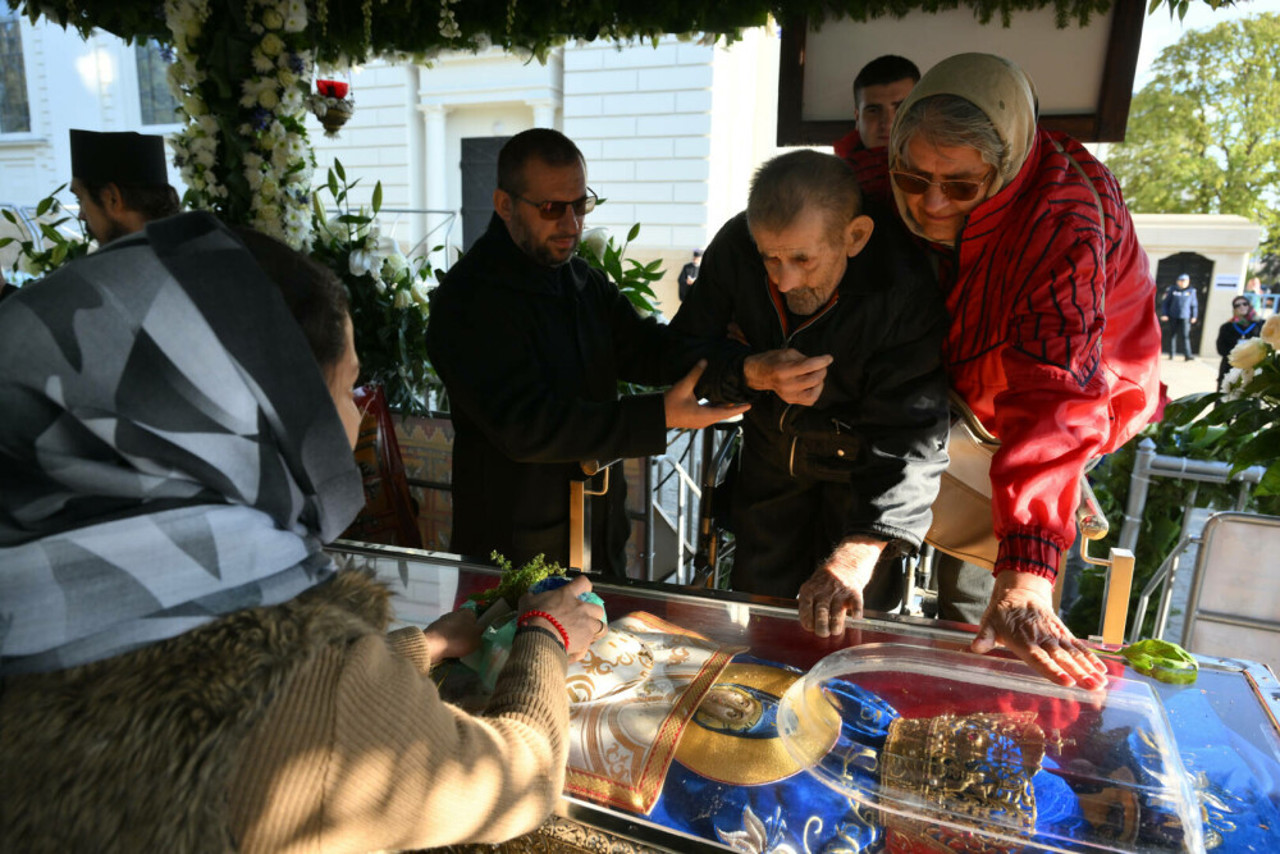
They honour Saint Paraskeva the Pious, also known as the Protector of the Moldavia region, one of the most beloved saints in the country's tradition. The day, a designated public holiday for the church, has drawn thousands of pilgrims to the city for prayer and hope.
The solemn service honouring Saint Paraskeva is held at the Metropolitan Cathedral in Iași, attracting tens of thousands of pilgrims from across Romania and abroad. The best-known tradition is the pilgrimage to the city, where the saint's relics are present alongside those of Saint Gregory Palamas.
The pilgrimage lasts several days, and the faithful bring flowers, candles, icons, and offerings. The procession is an act of faith, and the faithful believe that touching the saint's reliquary brings health, peace and spiritual strength.
More than 166,000 people from Romania and abroad have venerated the relics in recent days, according to the state news agency Agerpres.
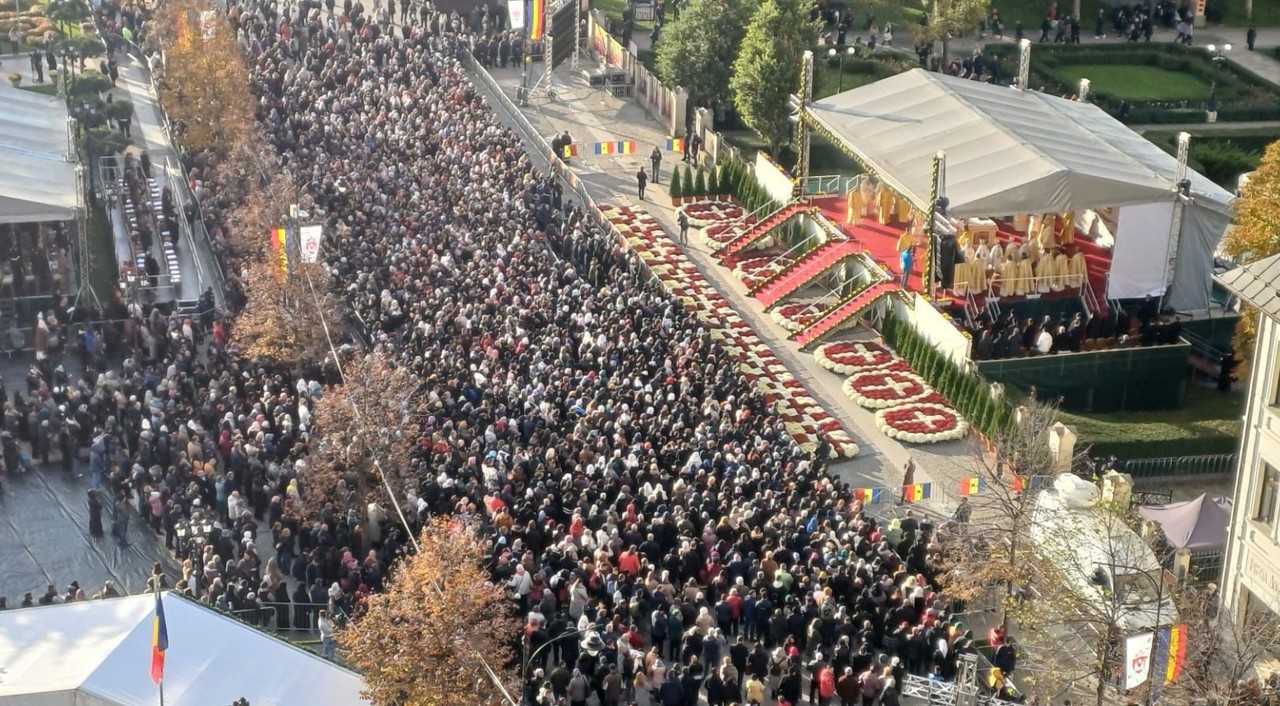
Meanwhile, more than 20,000 people are queueing in nearby streets, the Romanian press reported.
Twenty-seven pilgrims required medical assistance over the last 24 hours at a medical point set up near the Metropolis of Iași during the celebration.
The pilgrimage to the reliquary, especially on 14 October, is an ancient tradition, which in recent years has started around 8 October and concluded on 15 October.
Saint Paraskeva the Pious, also known as Saint Friday, was born in Epivat (now Cape Kaliakra) in the 11th Century. Her relics were kept for nearly 200 years in a church in Epivat, then in Tarnovo, and in the 16th Century they were taken to Constantinople.
In 1641, on 13 June, Vasile Lupu, the Voivode of Moldavia, brought the relics of Saint Paraskeva to Iași, placing them in the "Three Holy Hierarchs" Monastery. Since then, Saint Paraskeva the Pious has been considered the protector of Moldavia and of those in distress.
Translation by Iurie Tataru