Pakistan-Afghanistan border clashes erupt again
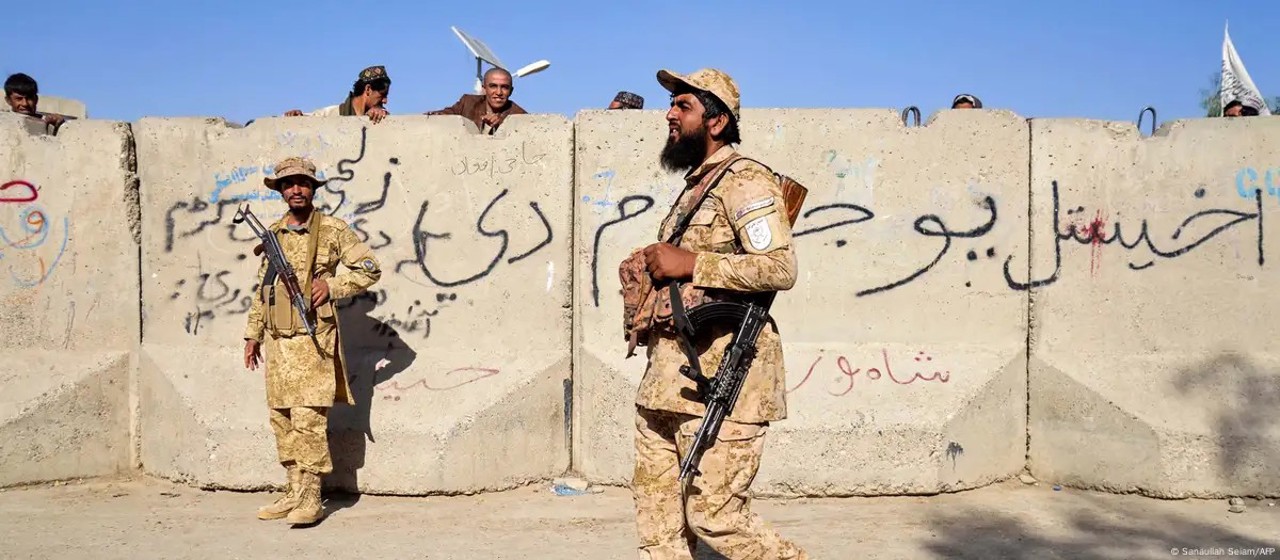
Fresh armed clashes erupted on Tuesday, 14 October, between Pakistani and Afghan forces in an isolated border area, the Associated Press reported, citing DW.
Pakistani state media claimed Afghan soldiers opened fire "without provocation," with the attack repelled by Pakistani troops.
Forces from Islamabad returned fire with an artillery barrage, damaging Afghan tanks and military posts, according to sources cited by Pakistani television. Tahrir Ahrar, a deputy police spokesman in Khost province, eastern Afghanistan, confirmed the armed incidents, but provided no further details. This is the second exchange of fire between the two countries in under a week.
Escalation on the border
The initial clashes were reported on the evening of October 11, with Afghan troops allegedly opening fire at several points along the common border, including the Chitral area in northwestern Pakistan and the Bahramcha locality in Afghanistan's Helmand province. In response, Islamabad reportedly deployed heavy artillery, tanks, drones, and fighter jets, the dpa agency reported.
Sources within Pakistani security structures said that, at the same time, the alert level was also raised on the eastern border with India, amid fears of its potential involvement in the escalating tensions.
The Taliban spokesman in Kabul, Zabihullah Mujahid, claimed 58 Pakistani soldiers were killed "in retaliation for the repeated violation of Afghan territory and airspace." The Pakistani army, however, presented a different toll: 23 soldiers dead and over 200 Taliban fighters 'neutralised'.
Since October 11, Pakistan has been on high military alert. Even though the fighting temporarily ceased on October 12, following calls for calm from Saudi Arabia and Qatar, all border crossings between the two states remain closed.
Causes of the conflict
The episode follows a series of explosions that occurred on October 9 in Kabul and southeastern Afghanistan, for which Afghan authorities blamed Pakistan. Islamabad denied involvement but demanded the Taliban regime 'cease harbouring Pakistani militants' on Afghan territory.
The Pakistani government claims that these combatants, known as Tehrik-e-Taliban Pakistan, have killed hundreds of soldiers since 2021 and benefit from military training in Afghanistan. According to AFP, the target of the recent Pakistani attacks was allegedly Nur Wali Mehsud, the leader of the Pakistani Taliban.
Pakistan and Afghanistan share a border of approximately 2,400 kilometres, drawn in 1893, which has remained a sensitive point in bilateral relations. Saudi Arabia, Qatar, and Iran have called on both sides to show restraint.
Pakistan possesses an estimated 60 to 170 nuclear warheads, which intensifies international concern over the risk of the conflict spreading.
Translation by Iurie Tataru