INTERVIEW | Moldova targets EU accession treaty in 2028, Cristina Gherasimov
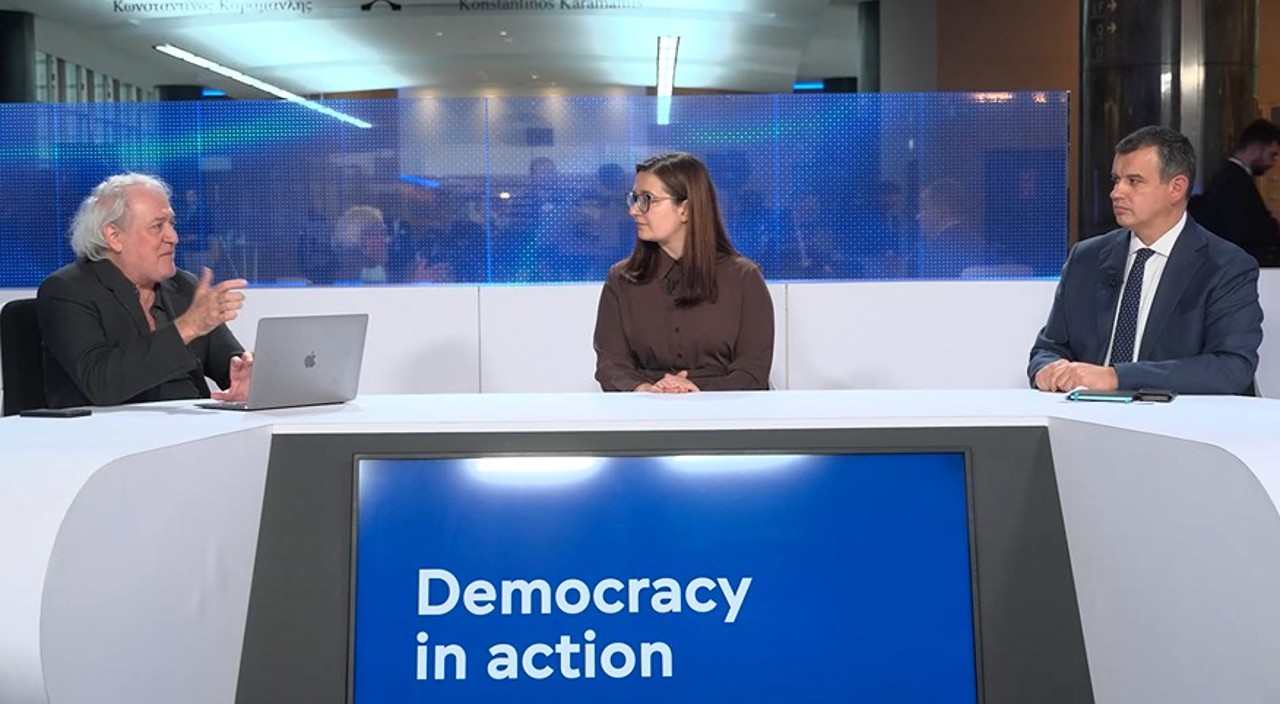
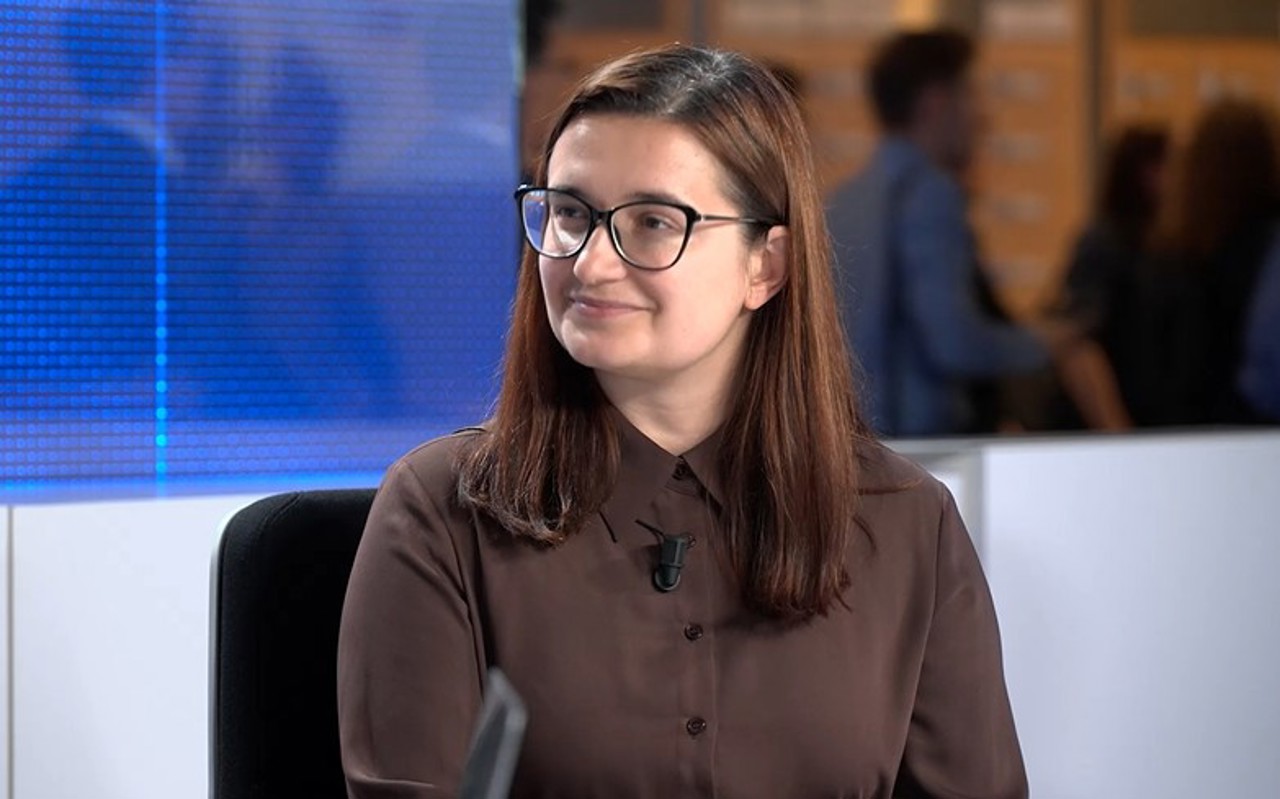
The authorities in Chisinau are working to prepare the Republic of Moldova for European Union (EU) accession by 2030. Deputy Prime Minister for European Integration, Cristina Gherasimov, stated in an interview with Teleradio-Moldova's Brussels correspondent, Dan Alexe, that it is in the national interest for this process to include the Transnistrian region.
The Republic of Moldova aims to be ready for EU accession by 2030. This timeline suggests that Moldova would sign the accession treaty sometime in 2028, which would fall within the current mandate of this European Commission. The Commission has expressed full support for Moldova and is prepared to collaborate closely with member states to facilitate this process, stated Cristina Gherasimov, who is currently in Brussels.
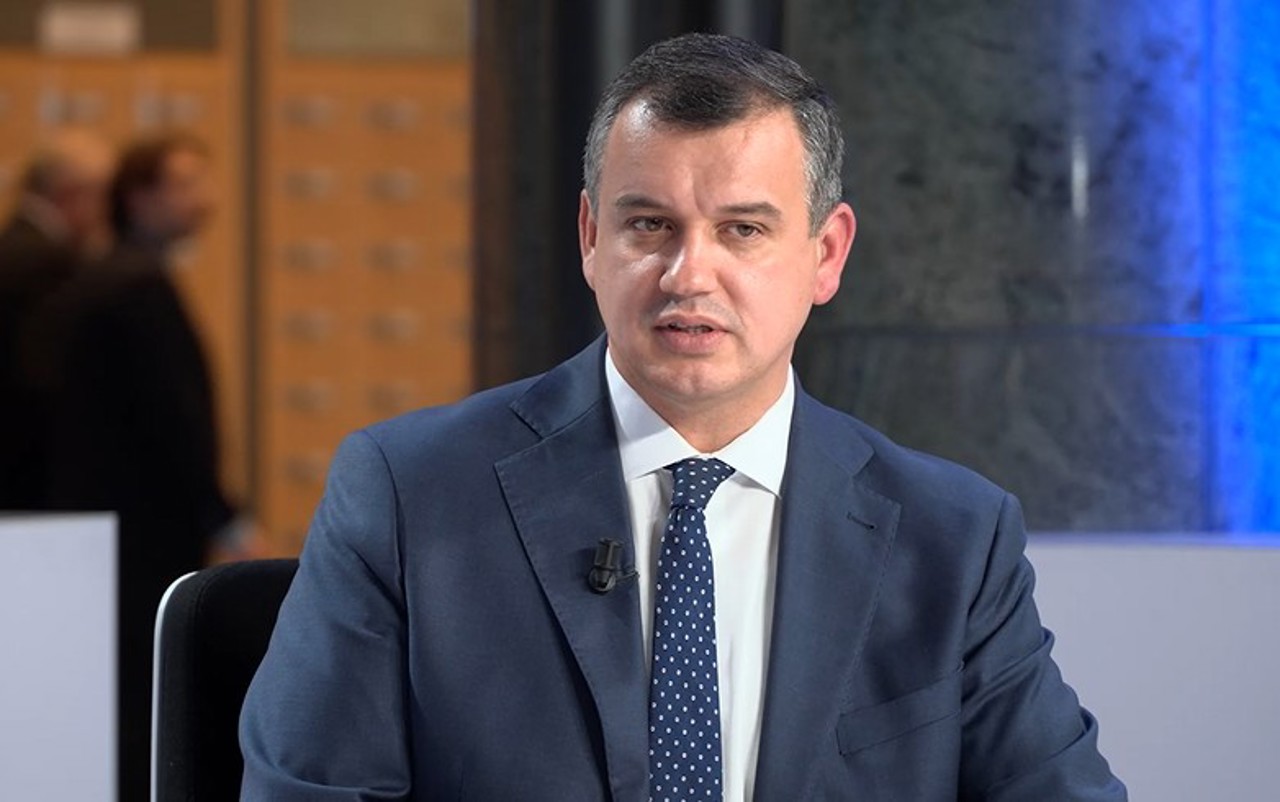
During the same event, MEP Eugen Tomac expressed his optimism regarding these deadlines. He noted that in recent years, there has been “unprecedented solidarity in the European Parliament” concerning Moldova’s European path. “You should know that the resolutions we adopted last year and this year received very few votes against,” he emphasized.
Resolving the Transnistrian conflict: A priority for Chișinău
Cristina Gherasimov reiterated the position of the Chișinău authorities regarding EU accession, which includes the Transnistrian region.
“It is clear that Cyprus serves as a precedent within the European Union, but that does not mean the EU desires a similar example in the future. As a country, it is in our best interest to join the European Union as an integrated state, and resolving the Transnistrian conflict is a top priority for Chișinău. In recent years, our main focus has been to prevent this area from destabilizing the entire Republic of Moldova and to ensure it does not influence developments in Ukraine during this war,” the official from Chișinău pointed out.
In the opinion of MEP Eugen Tomac, the Transnistrian issue will generate significant discussions in various European capitals when the Republic of Moldova’s accession to the EU is addressed.
"Our role is to clearly explain Chisinau's position, what is currently happening, and why it is essential, amidst the conflict, to emphasize the implementation of all existing international resolutions regarding this region. We understand the core of the conflict, and the precedents we have at the European level serve as valuable examples for attempting to resolve this extremely sensitive issue. While I wouldn't want to delve into specific theses we could discuss now, it is evident that this topic will form part of the delicate negotiation package between the European Union and the Republic of Moldova," emphasized Eugen Tomac.
Hungary's position vis-à-vis Ukraine also affects the Republic of Moldova
Despite the plans announced by the authorities regarding EU accession, Brussels has not yet opened negotiations on chapters with the Republic of Moldova, after our country successfully completed the bilateral screening in September.
Asked when these negotiations could be launched, Cristina Gherasimov pointed out that this could happen by the end of this year.
“We hope as soon as possible, because the Republic of Moldova has completed an important technical stage in the process of starting negotiations, namely the bilateral screening, the period when we compare national legislation with European legislation. We are at a stage where we have completed the screening for all groups of chapters, all clusters. And now it is the Commission's role to present all the necessary information to the European Council, so that colleagues in the Council can make this decision to open the first and the following clusters of negotiations. They are expected to start this year”, declared the Deputy Prime Minister for European Integration.
Cristina Gherasimov admitted, in the interview given to Dan Alexe in Brussels, that Hungary's position vis-à-vis Ukraine is hindering the European path of the Republic of Moldova: “The fact that the Republic of Moldova is moving in parallel on the same discussion agenda with Ukraine, and Ukraine is currently blocked by Hungary, respectively, our agenda is also linked to that of Ukraine”.
The authorities in Chisinau are aware that the next step in its European path involves "substantial, long-term and costly reforms", and the most difficult chapters are those regarding the environment, transport and energy: "Here we are betting and relying heavily on the assistance that is already coming from the European Union through the Economic Growth Plan for the Republic of Moldova".
The New Government and the reforms supported by the business environment
To join the EU, the Republic of Moldova must also prove that it has a functioning market economy, and MEP Eugen Tomac believes that our state will manage to close the gaps that currently exist.
"With the consistent support offered by the European Union, and we are not only talking about loans, we are also talking about direct financing, with all the other opportunities that the Republic of Moldova will have as a candidate state, I am absolutely convinced that the gaps that exist between the European market and the Republic of Moldova will be recovered much faster than in the case of Romania. (...) From a political point of view, I believe that the Republic of Moldova has managed, in a very short time, to go through a series of major challenges related to the traditional market, restrictions, embargoes, and so on, and to reprofile itself quite quickly. The fact that most of the products of the Republic of Moldova are already on the European market, over 50% are already on the European Union market, is a first step", declared Eugen Tomac.
In Tomac's opinion, the pro-European vote in the last elections demonstrates the "attachment" of the citizens of the Republic of Moldova for Europe. At the same time, the MEP is confident that the reforms that the new Government in Chisinau will undertake in the coming period "will also have the necessary support among entrepreneurs and the economic environment to implement them more quickly".