Moldovan farm converts waste into biogas and green electricity
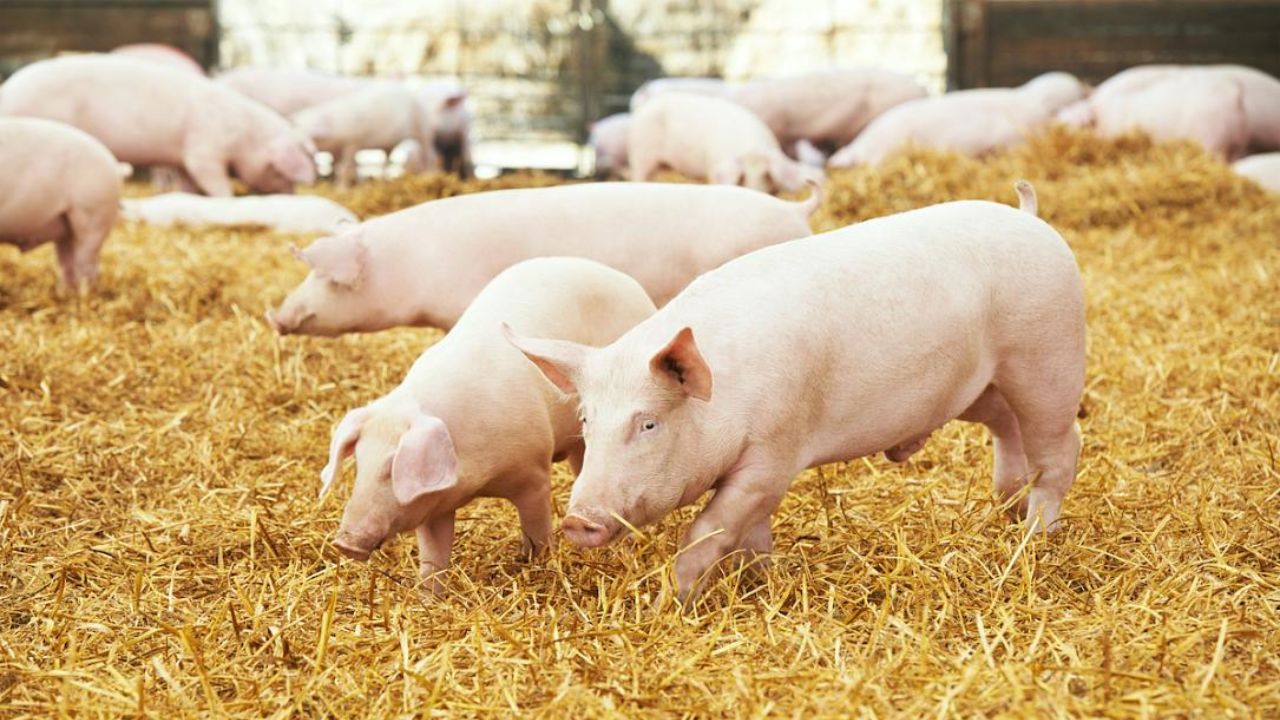
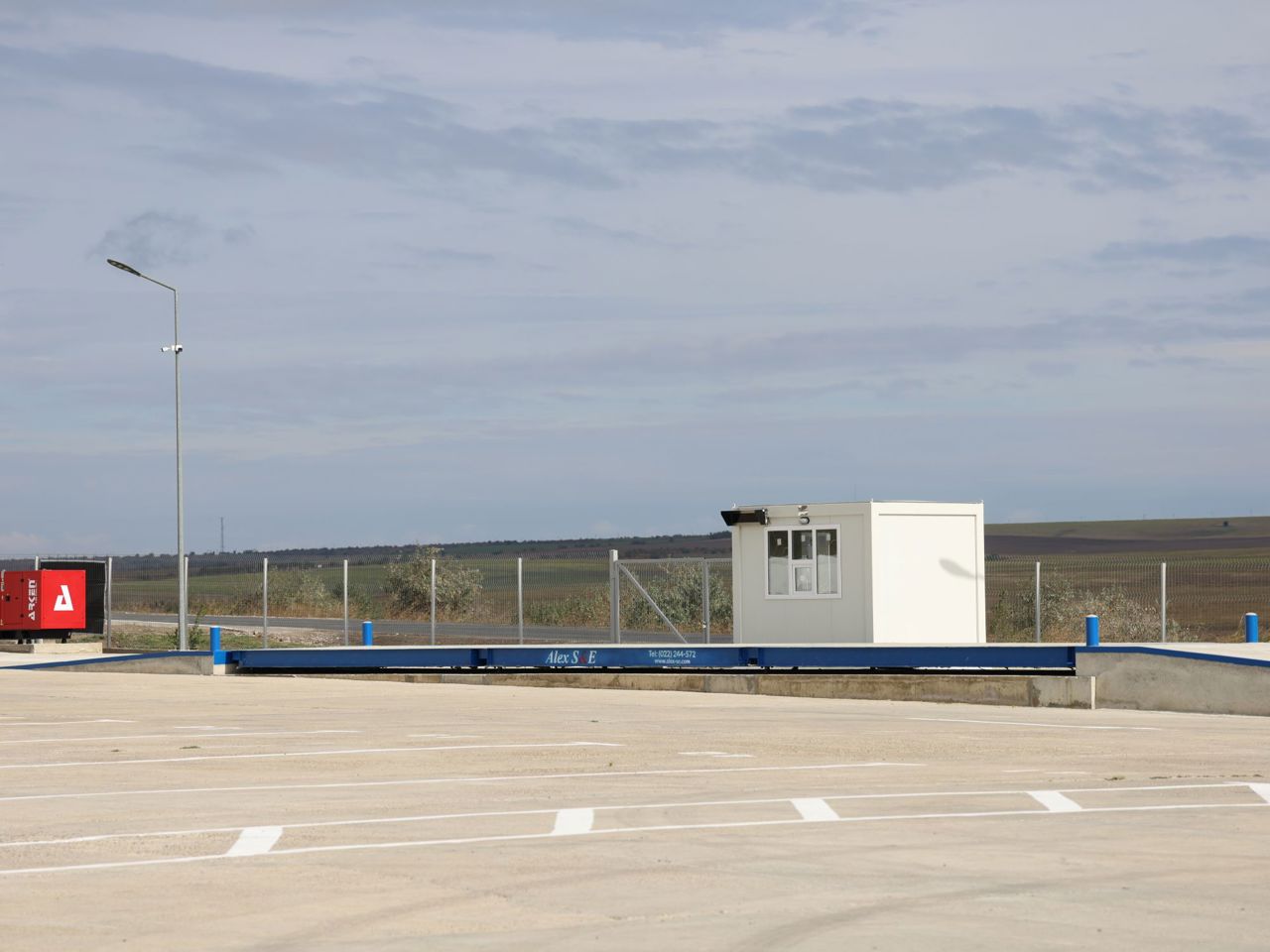
The Republic of Moldova has substantial potential for waste-to-energy initiatives, and some companies are already proving that sustainability can be profitable. For example, a livestock farm in the country converts waste from animal husbandry into biogas daily, generating clean energy while minimizing its environmental impact.
According to the company's representative, Ion Tașcă, the investment in the first biogas production station, with a capacity of over 600 kW, was made eight years ago and cost over two million euros, of which only 40,000 were public support provided through the Agency for Interventions and Payments for Agriculture (AIPA).
"Every day, we process around 250 tons of manure from our farm, along with organic waste from slaughterhouses. Through aerobic fermentation, we transform them into biogas, which we use for internal consumption or deliver to the network," explained Ion Tașcă.
"In the first year, the smell disappeared, we reduced methane emissions, and as by-products we obtain a liquid fraction for fertilizing irrigation and a solid one for compost," he added.
The farm also strengthened its energy independence by installing photovoltaic panels, an investment of over 240,000 euros, with the state reimbursing about 100,000 euros.
"We made all these investments for environmentally friendly agriculture, which offers stability and lower electricity prices", said the representative.
Ion Tașcă encourages the expansion of these practices and emphasizes the need for more consistent support measures for green technologies: "For such examples not to be exceptions, real incentives are needed, simplification of approvals and a predictable legislative framework".
At the European level, Denmark and Sweden are leaders in the energy recovery of agricultural waste. Denmark produces 40% of its thermal energy from biogas, and Sweden also uses recyclable waste to produce thermal and electrical energy.
The Republic of Moldova is following these examples and collaborating with Sweden to develop similar projects, based on an 820,000 euro grant agreement signed in March.
Author: Cristina Prisacari