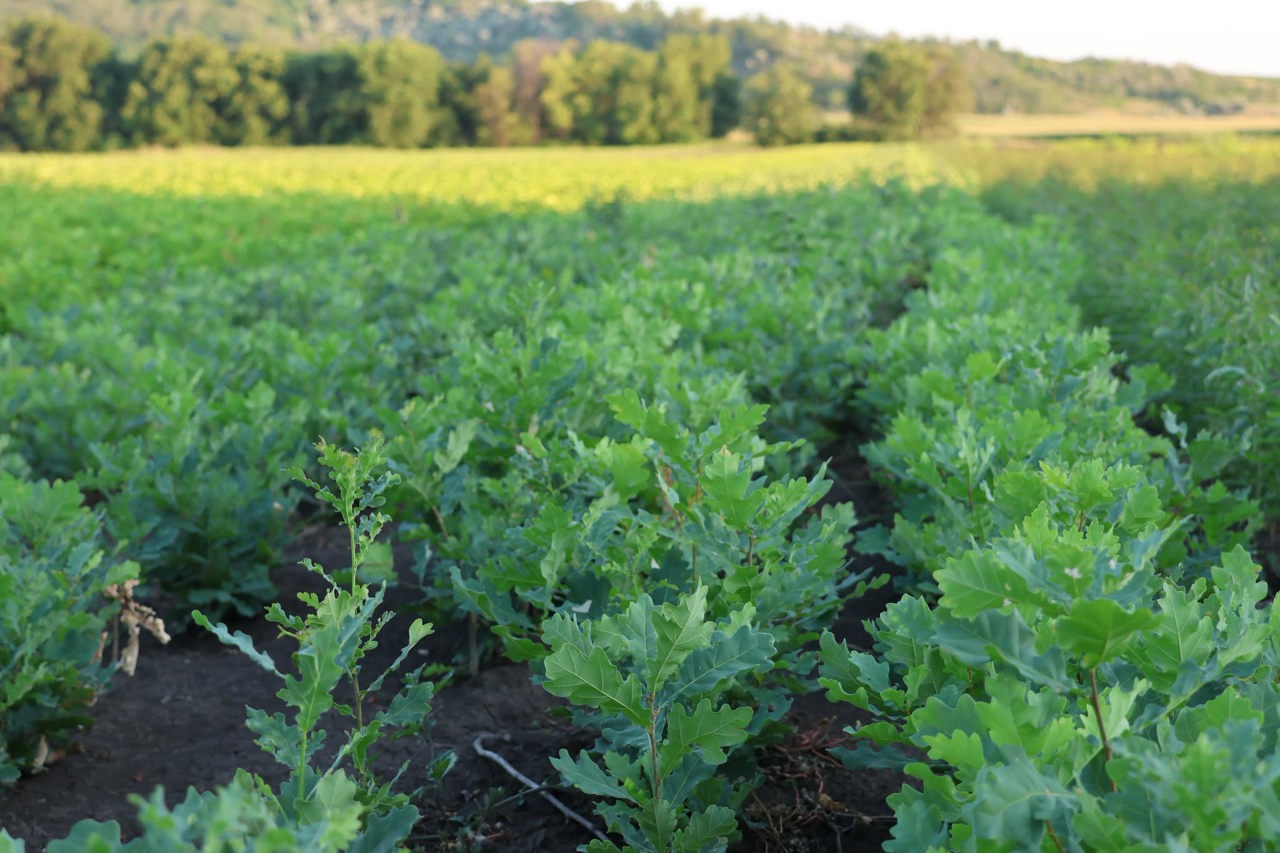
Hâncești district installs a modern automatic weather station
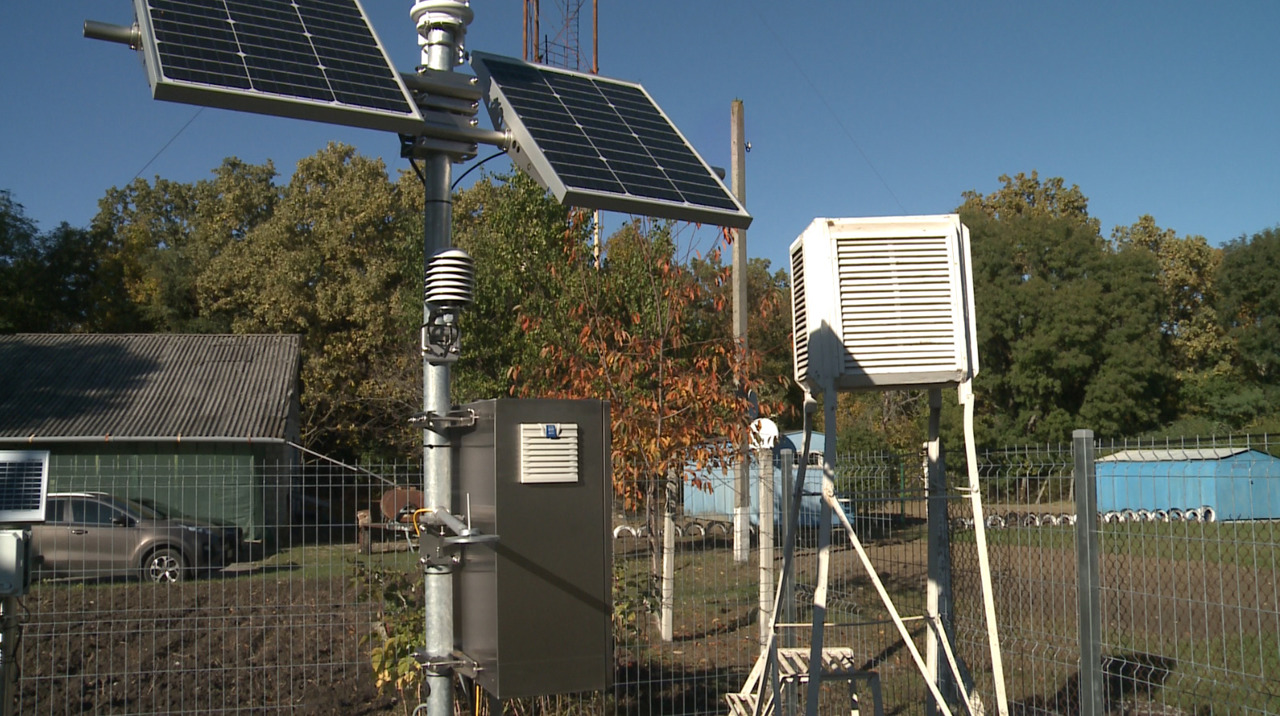
A new automatic weather station was inaugurated in the Hâncești district. It will provide real-time weather data, which will help farmers plan their work more efficiently and reduce losses caused by drought, frost, or floods. This investment aims to enhance the resilience of local agriculture in the face of climate change.
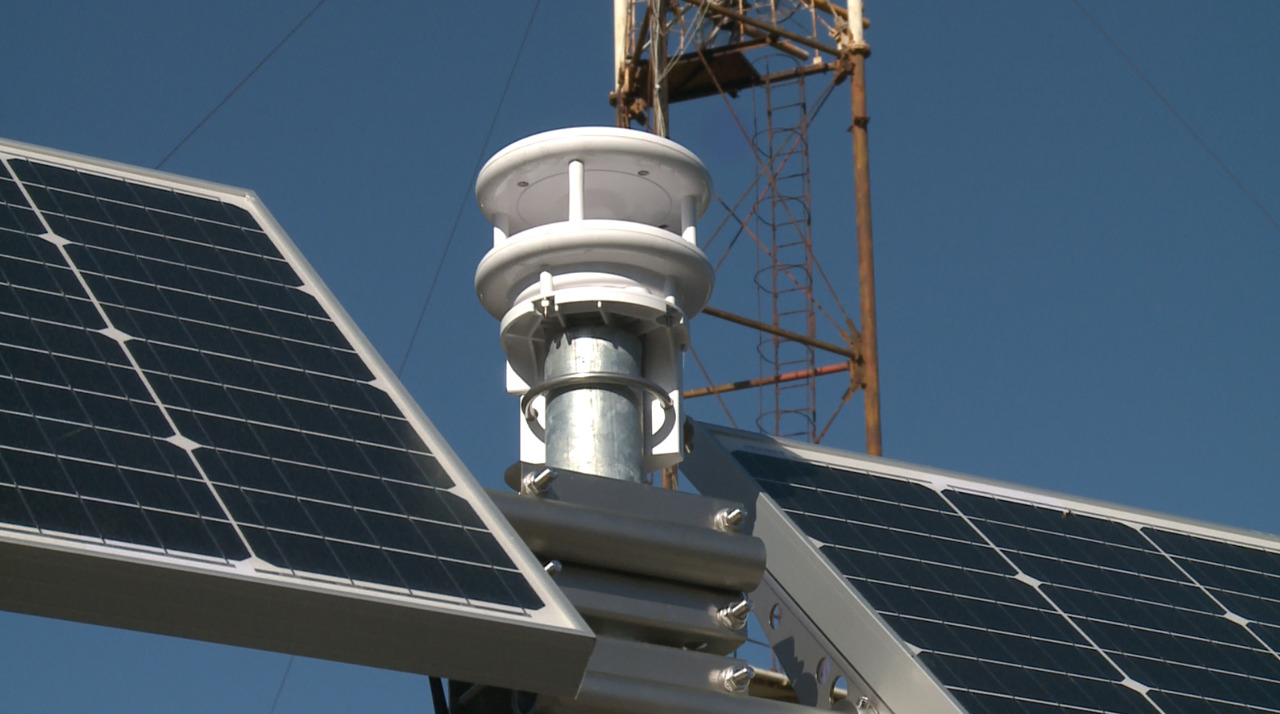
The station is equipped with high-precision sensors that monitor various environmental conditions, including air temperature and humidity, wind speed and direction, precipitation amount and intensity, as well as solar radiation.
"Previously, this data was collected manually. Here we have the air temperature and humidity, and behind it, we have precipitation data. This information was collected once an hour or once a day and transmitted to us. However, with this new system, we can monitor conditions every 10 minutes without needing to be on-site or waiting for updates," explains Alexandru Daltă, head of equipment maintenance at SHS.
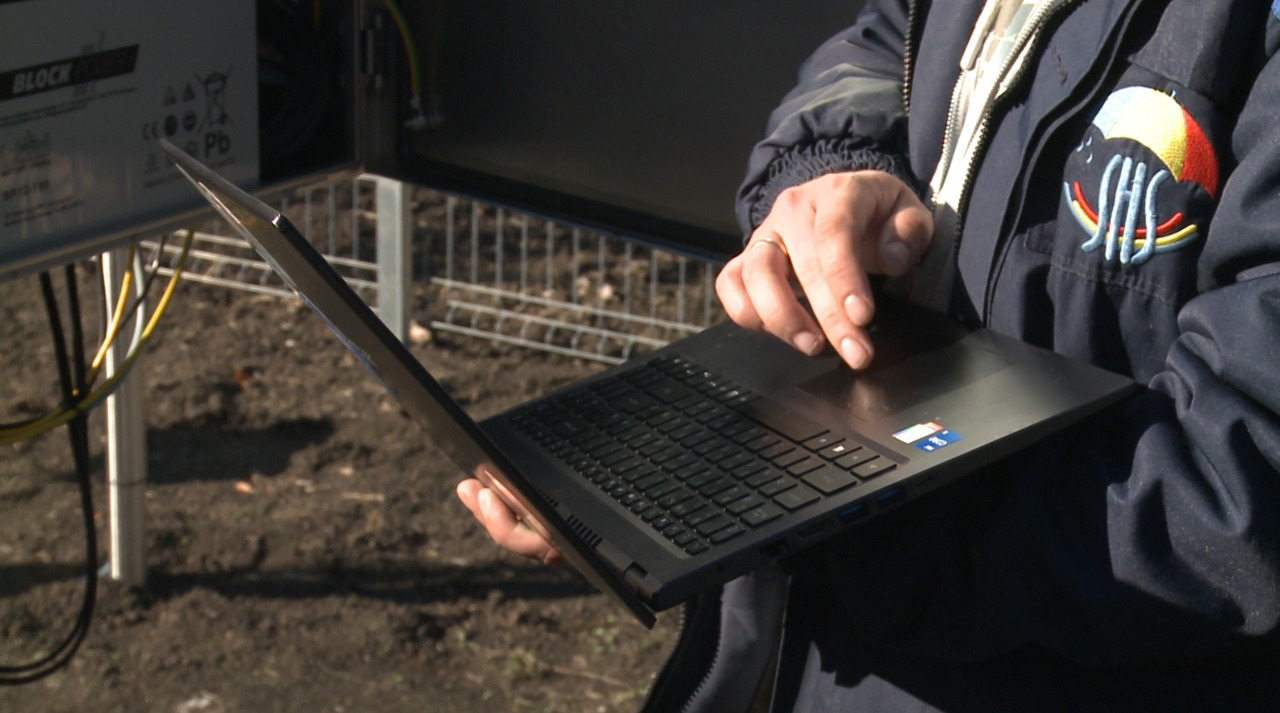
Stations will also be installed in other districts.
"In the next two to three years, we aim to build at least 10 such stations in the central region and the same number in the northern area, particularly in regional centers. We plan to establish three regional agrometeorological centers: one in Comrat, another in Chisinau, and the third in Balti. These centers will be responsible for validating and examining primary data," says Mihail Grigoraş, the director of SHS.
"Given the need to prepare for weather-related cyclones, having access to such data allows us to implement new methods and procedures that will help us save, prepare, prevent, or respond effectively," emphasizes Aliona Rusnac, state secretary at the Ministry of Environment.
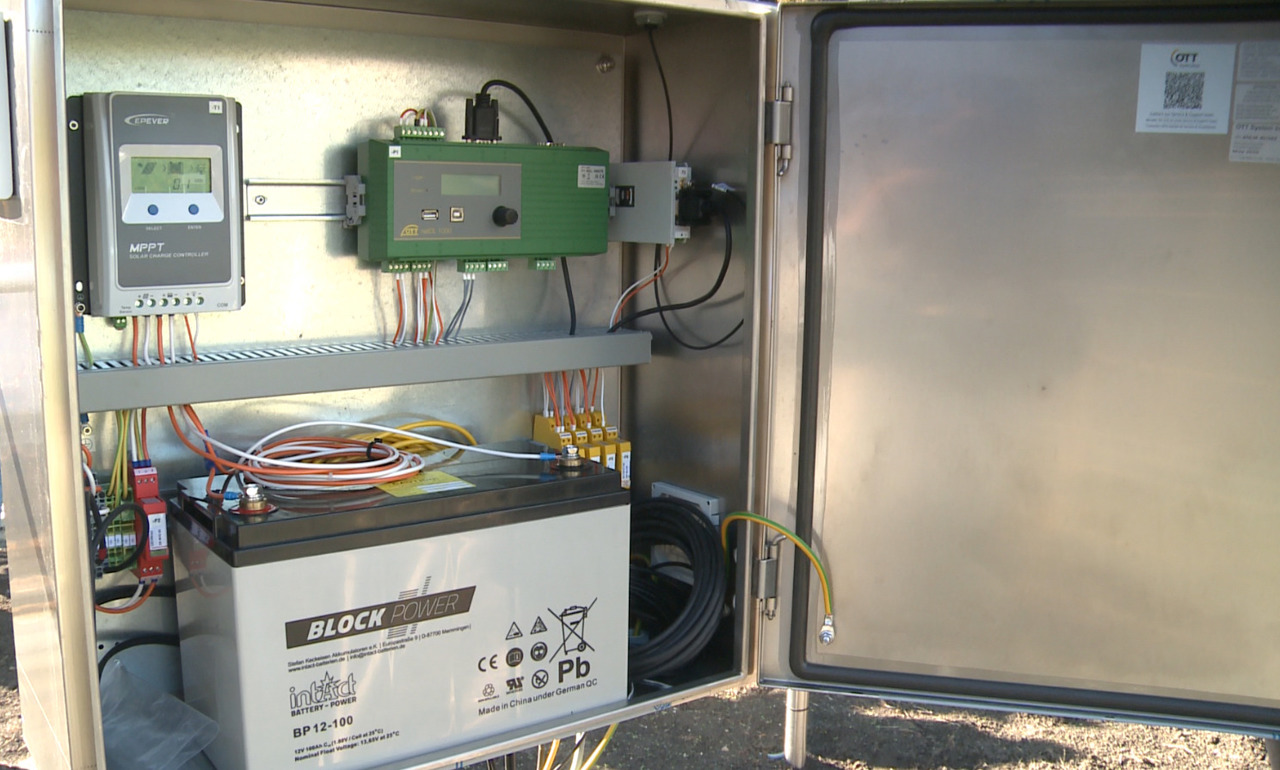
The Hâncești meteorological station was established as part of the project titled "Improving Human Security in Moldova through Agri-Food Resilience to Increasing External and Climate Shocks." This project is funded by the Government of Japan and implemented by UNDP. In addition, the project will also see the installation of seven automatic mini-meteorological stations, fourteen autonomous agrometeorological monitoring stations, and five hydrological stations throughout the country.