Moldova water quality crisis: Half of village supplies fail tests
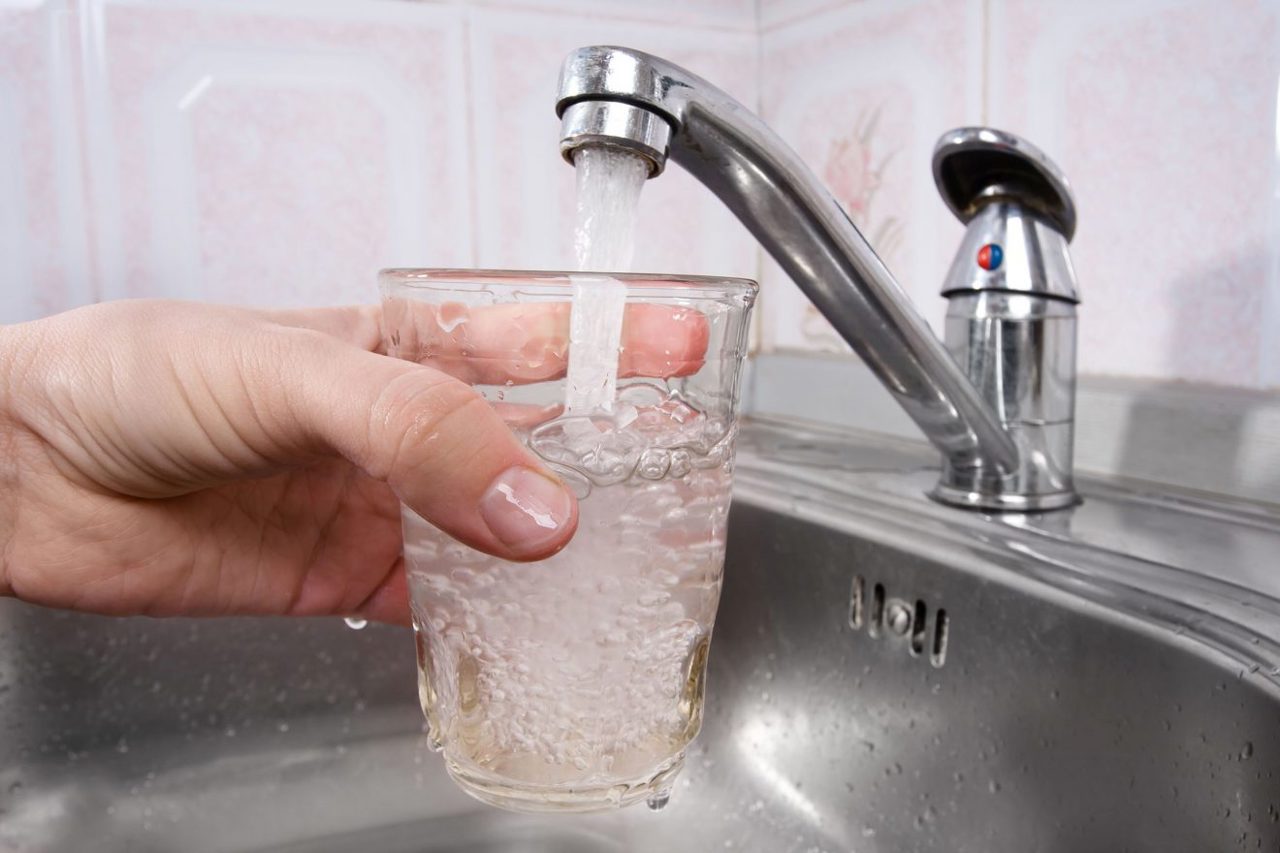
More than half of all public water supplies in Moldovan villages have failed quality tests, according to the National Public Health Agency (ANSP).
Analysis shows significantly high levels of chemical and microbiological parameters, with specialists warning that consumption could pose a serious public health risk.
Nitrates in excess of 10 to 20 times the legal limit are found in about 65% of the country's wells, sometimes in extremely high concentrations. Ion Șalaru, a Head of Department at the ANSP, told the Zi de Zi (Day by Day) show on Radio Moldova that this water presents a major health risk.
Mr Șalaru explained: "Over 60% of deep water sources, particularly artesian wells, are largely of substandard quality. The water may contain ammonium, hydrogen sulphide, or iron, which can influence the smell and colour of the water. This does not pose a health risk but creates discomfort for users.
"However, we also have situations where water contains elements that present significant health risks: nitrates, fluoride, and in some limited areas, a high content of boron. Moldova has a tradition of building wells, but in most villages, they have been built chaotically, without consulting the relevant authorities. Last year, about 75% of these were non-compliant."
According to the specialist, a major problem with the country's wells is microbial pollution. "Over a third of the wells are microbially polluted, a fact that indicates they are not maintained properly, are not cleaned, and the water is not disinfected."
Access to water supply and sanitation services has increased across the country, particularly for the rural population. Almost 70% of villagers now have access to a piped water system.
Mr Șalaru said: "This proportion could grow, as we have the capacity. Well water will never become an alternative to tap water, at least not in the coming decades. We recommend the use of bottled water, primarily in children's institutions where there are no other options. Using bottled water involves certain costs: wasting resources and increasing the amount of waste."
He reiterated that an important rule for all consumers is to seek information about water quality.
"Absolutely every consumer who has a contract with the operator can do this. And the operator, by law, is obliged to provide water quality data upon request, from the control point nearest the consumer's residence. If this data shows that the water quality is non-compliant, we must demand that the operator ensures the water quality is compliant," he said.
Translation by Iurie Tataru