Brown rot risk: How to manage fallen fruit in your garden
Fallen fruit left to rot at the base of trees can become a major source of infection and pests, warns consulting agronomist Daniel Drăgan.
It can cause fungal diseases and affect the long-term health of the soil and fruit trees, the specialist told Radio Moldova.
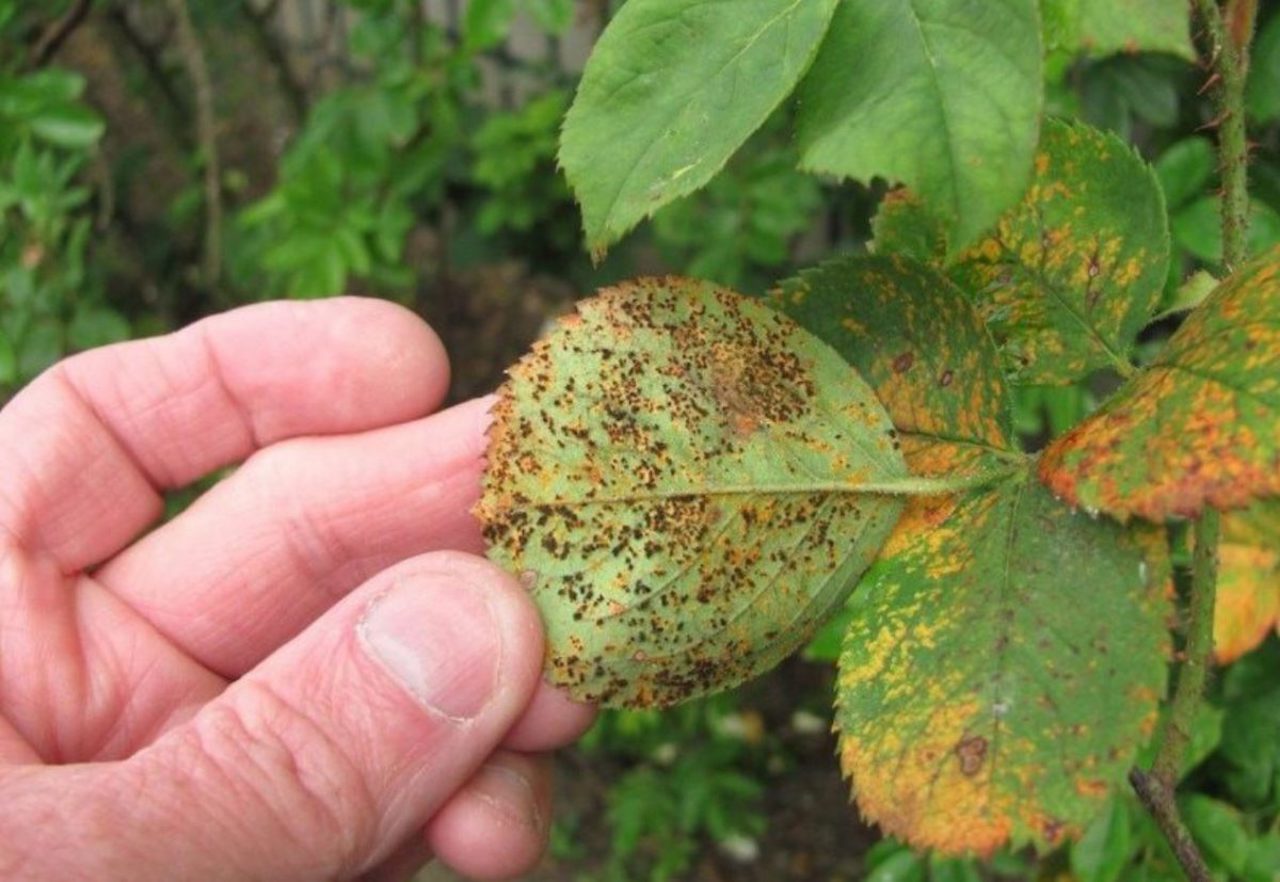
"If fruit is left on the ground, it poses a significant source of infection and pests. They become a natural reservoir for fungal diseases, such as Monilinia fructigena, or brown rot," Mr Drăgan explains.
According to him, the fungus overwinters in the fruit debris and infects the trees next spring. Moreover, the sweet smell of fermenting fruit attracts wasps, flies, beetles, and even rodents, which can transmit diseases to healthy plants.
Mr Drăgan also recommends careful management of spoiled fruit. "It depends on the degree of decay. If they are only overripe, they can be composted under controlled conditions at about 60C, which destroys pathogenic fungi. If, however, they are rotten, mouldy, or smell of fermentation, they must be eliminated through deep burial, at least 40–50cm deep," he advises.
Failure to clear the soil can lead to the accumulation of harmful bacteria and fungi. Biological and ecological treatments are then necessary to restore the natural balance.
"The biological method involves using products that contain beneficial bacteria. These break down organic residues and neutralise harmful fungi. Subsequently, products with beneficial bacteria and fungi, such as Trichoderma, can be applied, helping to restore the healthy microflora of the soil," the expert added.
Orchard care does not end with the harvest; it continues with cleaning and protecting the soil to maintain the health of the trees and ensure a healthy crop the following year.
Translation by Iurie Tataru
Autor: Alina Chiperi