Zelensky-Trump talks: The difficult path to a ceasefire before Putin meeting
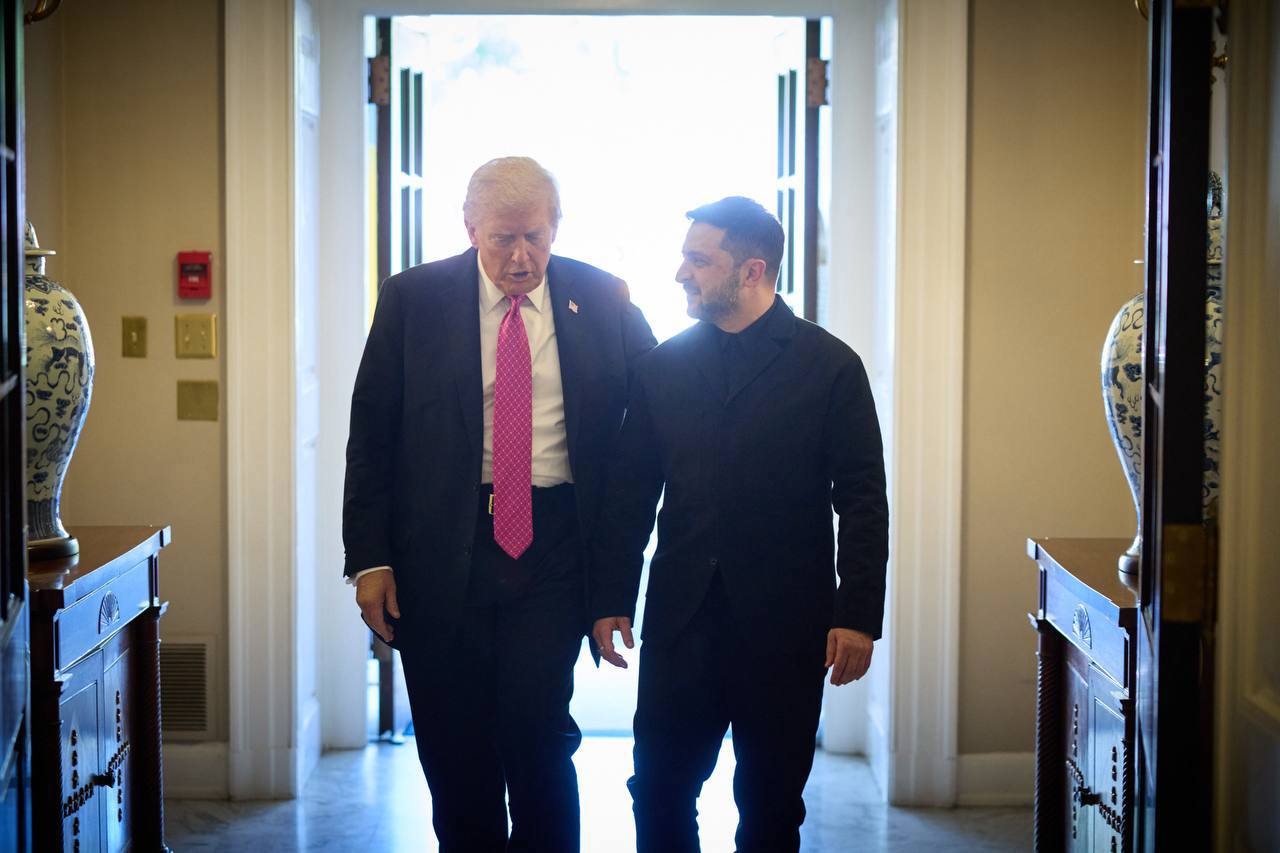
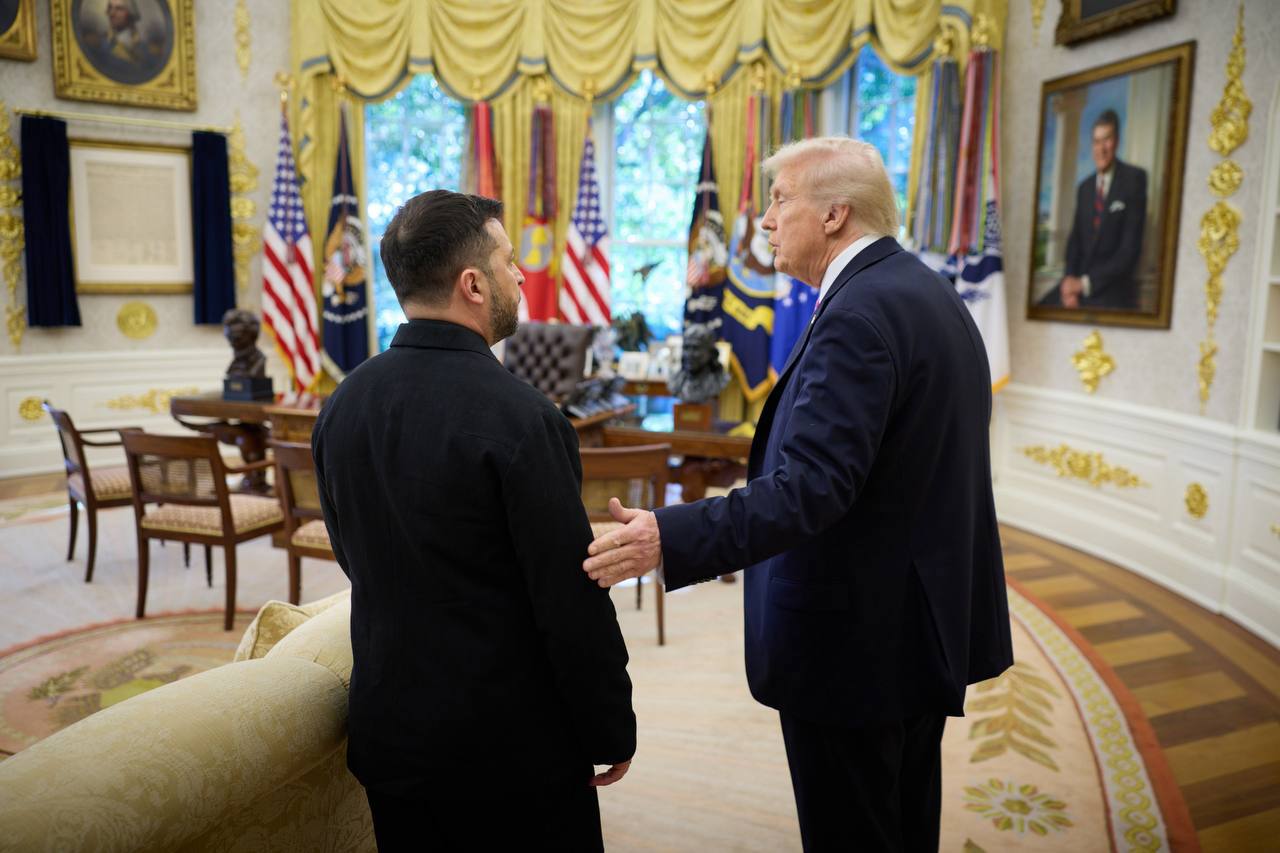
The talks between Ukrainian President Volodymyr Zelensky and Donald Trump were very difficult; they were neither a failure nor a success.
The talks are seen as a preamble to the meeting between the US President and Russian President Vladimir Putin, which is scheduled to take place in a few days in Budapest, according to Romanian political scientist Cristian Pârvulescu, speaking to Radio Moldova. The American position became clearly defined after analysing this context and the previous meeting between Mr Trump and Mr Putin in Alaska, the analyst added.
"The Americans tried to secure a ceasefire, which Russia did not agree to. In the meantime, the American positions, very fluid and never sufficiently firm, allowed Russia to resume its offensive before winter. Currently, Donald Trump is reportedly forcing Mr Zelensky to accept a ceasefire along the current frontline, which has, in principle, advanced—not as much as Russia wanted, but it advanced into Ukrainian territories. For Ukrainians, everything depends on what is to happen in Budapest," Mr Pârvulescu commented.
In Budapest, a spectacle is already being staged by Mr Trump and his administration against the European Union (EU) line, against the official Nato position, and to reinforce what he calls an illiberal diplomacy—a success for Mr Putin and his European ally, Viktor Orban, according to Mr Pârvulescu. He further stated that Donald Trump is very interested in securing a ceasefire, and Vladimir Putin is very interested in Mr Trump's continued popularity in the US.
"Even if the communique issued by the Kremlin after the Zelensky-Trump talks does not suggest any openness to a ceasefire on the current frontline, but instead continues to demand the regions it considers Russian in Donbas and so on, I believe Vladimir Putin will have to accept a compromise solution. It should be noted that Ukraine's position is also difficult. Mr Zelensky has announced that he cannot accept a peace that does not allow Ukraine to recover all occupied territories. Donald Trump cannot impose such a peace," Mr Pârvulescu noted.
The Romanian political scientist also emphasised that the situation will depend primarily on the capacity of Mr Trump, who advocates for personalized diplomacy; the meeting with powerful leaders will largely depend on his attitude toward Mr Putin. However, Mr Pârvulescu maintains that Donald Trump cannot take a decisive stance toward Vladimir Putin; he did not demonstrate it during his first term or in these ten months of his second term.
The Kyiv leader, Volodymyr Zelensky, did not receive a positive response regarding the delivery of American Tomahawk missiles after the Friday, October 17 meeting with US President Donald Trump, who mentioned that providing this type of weaponry would create risks that would lead to an escalation of the conflict in Ukraine. Another important topic was the establishment of a ceasefire.
Translation by Iurie Tataru