Psychologists warn: dropping out of school has long-term impact on children
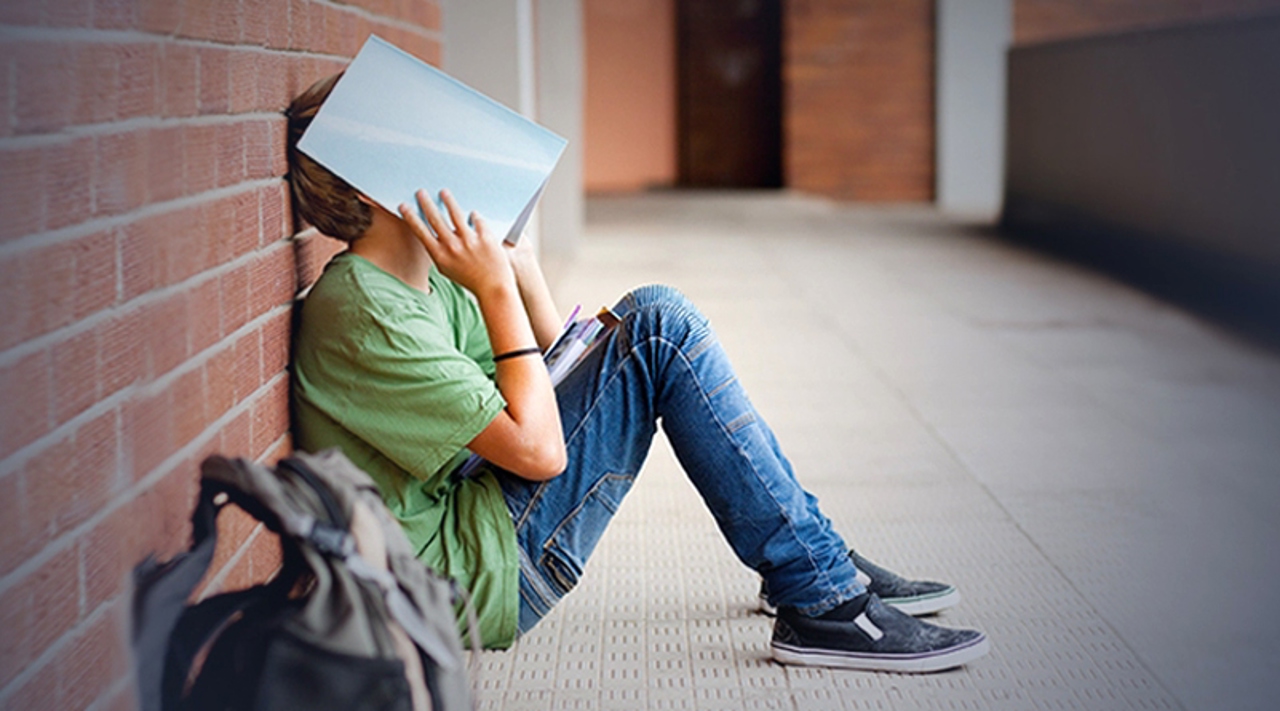
In recent years, the number of school dropouts in the Republic of Moldova has decreased significantly, dropping from 250 to 100 children. However, this issue remains serious and is closely related to family poverty and a lack of emotional and educational support. Psychologist Lilia Dubița notes that students who drop out of school risk facing social exclusion and engaging in problematic behaviors. In response, Alexei Buzu, the acting Minister of Labor and Social Protection, emphasizes that the authorities are increasing their efforts to prevent such situations.
"This phenomenon is very worrying because we know that in the future these children will certainly not have access to secondary or higher education, which will make their social integration much more difficult," psychologist Lilia Dubița told Radio Moldova. In the program "Zi de Zi" she warns that school dropout "increases the risk that these children will end up in delinquency situations, including addictions to alcohol, drugs and other phenomena".
According to the specialist, parents can prevent school dropout through personal example and by valuing education: "Parents can motivate them through two sources: to pay more attention to the school system and to discover short-term motivation. For example, when a young child does their homework, parents can turn the process into a game, not a torment".
At the same time, Lilia Dubița emphasizes that school is essential for character formation and personal development: "Children must understand that school is the gym for their intellect, for socialization and for the development of emotional intelligence. Every child is already a superhero and has a phenomenal ability, and school can discover what this is".
On the other hand, the authorities say that they are trying to reduce school dropout, including through the "Restart" reform, aimed at strengthening social services. The acting Minister of Labor and Social Protection, Alexei Buzu, explained that one of the priorities is rapid intervention in cases of risk: "We have set out to have much higher-quality specialists and services, who can intervene promptly when a child or a family is in difficulty. I have said several times that we have an obsession at the Ministry of Labor - not to have children in invisible risk situations".
According to the minister, the number of monitoring visits carried out by social workers has increased considerably.
“If in 2024 a community social worker, on average, made two monitoring visits per week, now, on average, per week, these colleagues of ours make 13”, Buzu said.
He added that, since the beginning of the year, the number of cases managed in the national system has doubled, and that of children at risk has increased tenfold. These results, in Alexei Buzu’s opinion, reflect the intensified effort to identify children at risk and to provide the necessary support to them and the families they live in.
Author: Cristina Prisacari