Moldova water crisis: 40% of population lacks piped supply amidst health fears
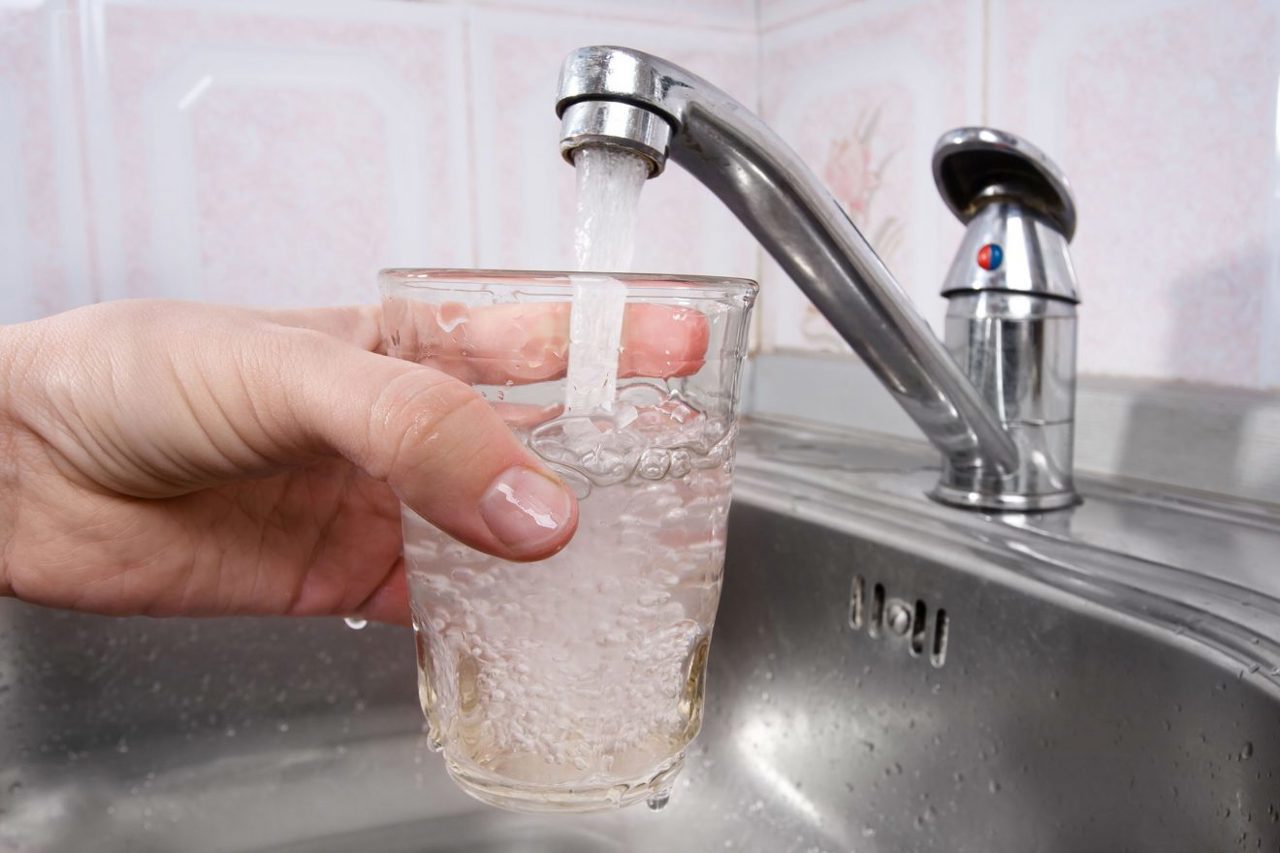
Nearly 40% of Moldova's population lacks access to piped water, despite the construction of more than 1,100km of new networks in the past four years.
Authorities are counting on the expansion of the "European Village" programme to connect villages to modern infrastructure, especially since water from 70% of shallow wells is non-compliant with health standards.
The constant expansion of water and sewerage networks is proving insufficient to close the country's infrastructure gap. In total, 1,006 localities now benefit from centralised water supply systems. Corneliu Cirimpei, State Secretary at the Ministry of Infrastructure and Regional Development, stated on Radio Moldova that the Government has reduced the number of unconnected localities by 9% in the past four years.
However, official data highlights a major public health issue: thousands of rural families still depend on wells. According to Lilia Carp, a medical specialist at the National Public Health Agency, water from almost 70% of monitored wells fails to meet sanitary norms due to high levels of nitrates, fluoride, and microbiological parameters. The most critical situations are recorded in the districts of Cimișlia, Drochia, Soroca, and Ungheni.
Regional differences and the search for funding
A significant disparity persists between regions: Chișinău has the highest rate of connection to the water system (around 91%), followed by the Gagauzia Territorial Autonomous Unit (Gagauzia ATU) (84%). Conversely, seven districts (Briceni, Fălești, Ocnița, Soroca, Basarabeasca, Cantemir, and Vulcănești) entirely lack public sewerage systems, highlighting an equally serious sanitation issue.
The government's "European Village" programme is now the primary driver for infrastructure development. However, the demand for projects considerably exceeds budgetary resources, forcing authorities to seek external support. State Secretary Cirimpei confirmed that they are relying on the support of partners – Germany, Austria, Romania, and Poland – to assist small communities that lack the capacity for self-co financing.
The third phase of the programme is currently being prepared. Of the 243 projects in the second phase, 17 are complete, and another 40 are scheduled for completion by the end of this year, according to Eugen Secrieru, Deputy Director of the National Office for Regional and Local Development. The strategic objective, which aligns with recommendations from Brussels, is for all localities with over a thousand inhabitants to be connected to the public water system.
The country's main water sources remain the Prut and Nistru rivers, which ensure two-thirds of the national consumption, with the remainder covered by artesian wells.
Translation by Iurie Tataru