Chisinau government launches record reforestation drive: 460 million lei allocated
Moldova has an afforestation rate of just over 11 percent, making it one of the lowest in the Black Sea region, according to data from the Food and Agriculture Organization of the United Nations for this year. In comparison, Bulgaria has an afforestation rate of approximately 35 percent, Romania is at 19 percent, and Ukraine is just under 16 percent. Moldovan authorities report that extensive afforestation campaigns have been initiated in recent years, with significant funding allocated to expand forested areas.
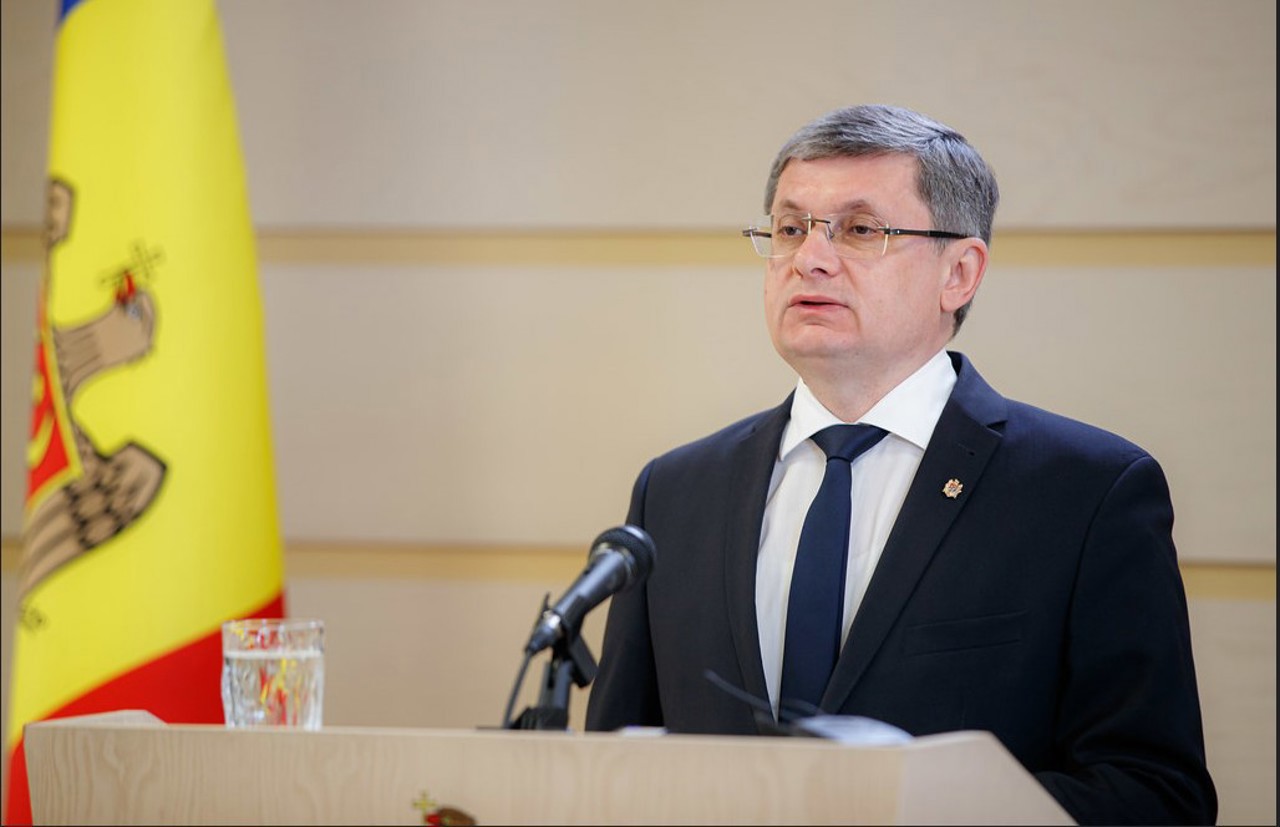
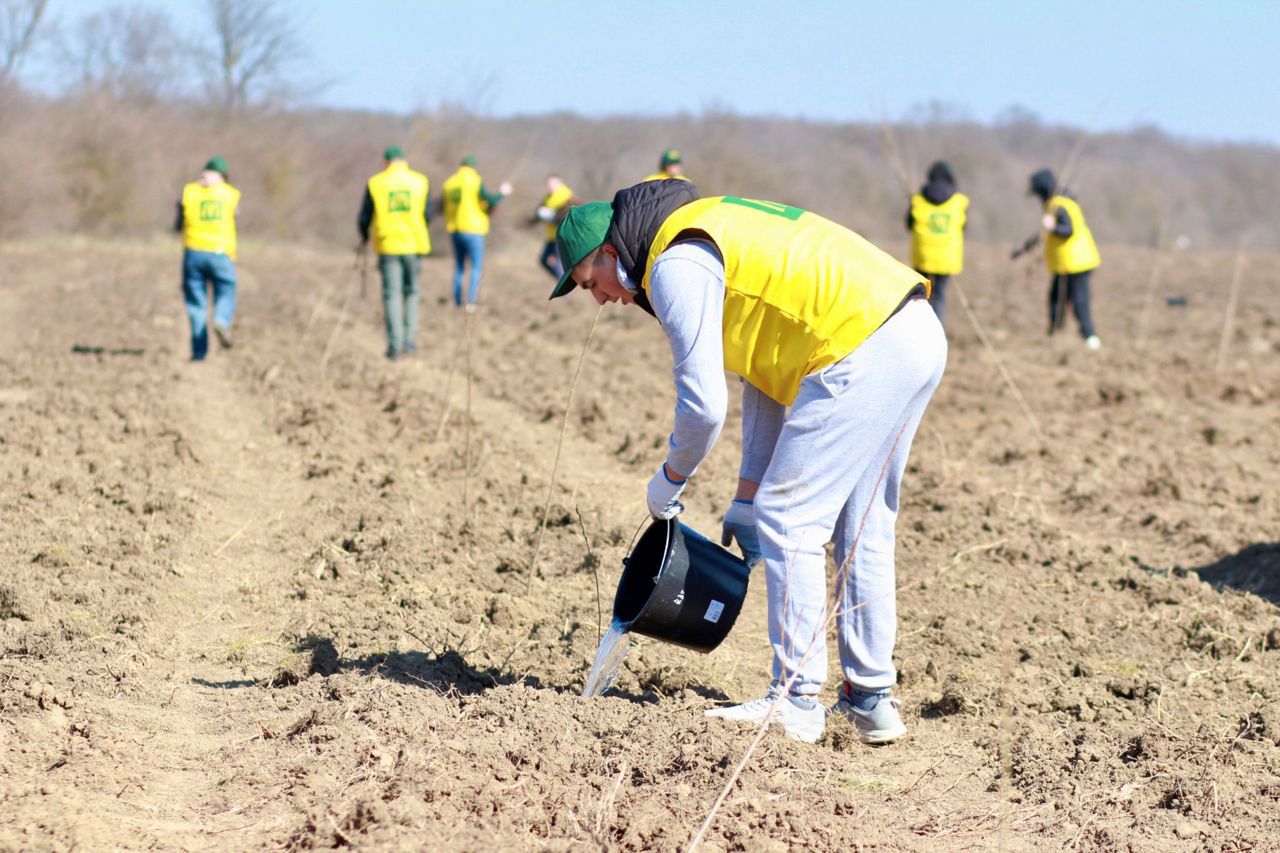
Moldova has launched the most ambitious reforestation program in its post-independence history, an initiative aimed at transforming the country’s ecological landscape and combating the effects of climate change, acting Environment Minister Sergiu Lazarencu said. The official said the main objective is to plant 145,000 hectares of forest by 2032. So far, 17,000 hectares have already been planted, and authorities estimate that by the end of the year the threshold of 20,000 hectares will be reached.
"In the first two years of the program, we have already allocated 460 million lei, a record amount for the forestry sector. To carry forward this effort, we have attracted the largest funding in history in the environmental field. 200 million euros from the European Investment Bank, 15 million euros in grant from the European Union, 7.9 million dollars in grant from the Global Environment Facility, 49 million dollars in grant from the Green Climate Fund, 40 million euros from the French Development Agency, 1.2 million euros in grant from the French Development Agency. In total, over 300 million euros have already been identified. This money will help us plant the first 80,000 hectares of forest. I want to specify that we will start capitalizing on this money starting next year", mentioned Sergiu Lazarencu.
In parallel with the planting efforts, a new Forestry Code was adopted, which introduces stricter rules for the protection and sustainable management of the forest fund, the Minister of the Environment claims.
“Today, after 30 years, we have managed to increase the damage for illegal logging, in order to protect forests throughout the country better, but also to discourage illicit logging. We have adopted a new forestry code, which brings clearer and stricter rules for the protection and sustainable management of forests, including municipal forests”.
Planting actions should not be seen only as a symbolic activity, but as a form of civic and ecological education, claims environmental expert Ruslan Nercaș. At the same time, for these new plantations to become true forests, protection measures must be implemented, as well as the right varieties of seedlings must be chosen, says the specialist. He also emphasizes that more and more countries are using digitalized systems to monitor plantations, and the Republic of Moldova could implement similar solutions.
"At least in the first years of the saplings' life, we must take care to water them, maintain them with phytosanitary products, and monitor them. So we can take examples of countries like Lithuania and Poland, which have effectively implemented digitalised monitoring systems for new forest plantations, enabling real-time assessment of their development strictly at the reforestation stage. We must use, in particular, tree species already adapted to our environment, such as oak, linden, willow, maple, and other varieties. Likewise, the tree varieties that will be planted should be selected depending on the characteristics of the soil", mentions Ruslan Nercaș.
We remind you that, according to the study "Global Forest Resources Assessment 2025" presented by the Food and Agriculture Organisation of the United Nations, the total area of forests on the planet is 4.14 billion hectares, representing approximately one-third of the world's land area. Europe has the largest forest area.