Mobile teams to support children with special needs in rural schools under pilot project
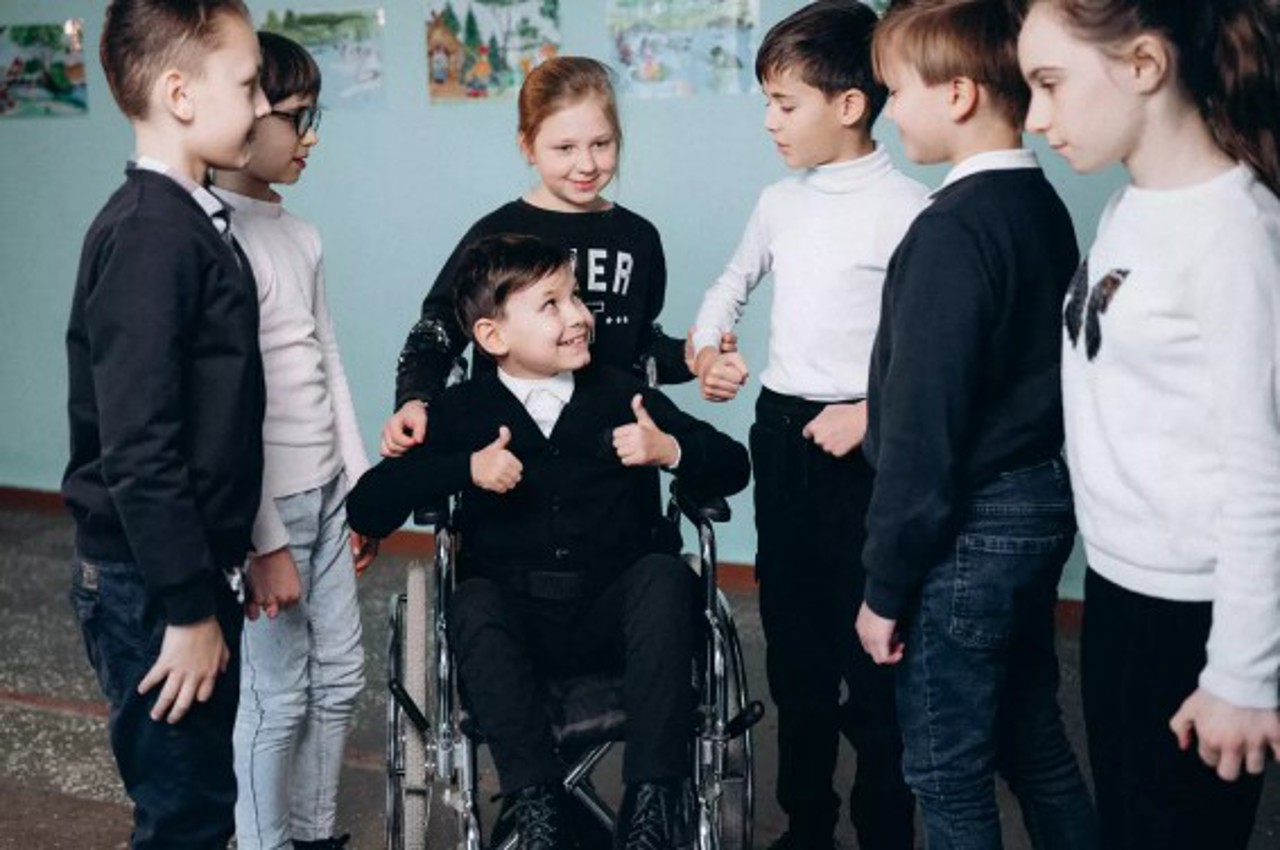
Children with special educational needs in rural areas will receive specialized support directly at their schools. This initiative, launched by the Ministry of Education and Research (MEC) in collaboration with the Republican Center for Psycho-Pedagogical Assistance and UNICEF, is being piloted in the districts of Drochia, Soroca, and Cahul until December 31st, with plans for national expansion in the future.
The mobile teams will consist of a psychologist, a psychopedagogue and a speech therapist, and if necessary – also a pedagogue. They are equipped with teaching materials, sports and educational games and will operate within the premises of the Resource Centers for Inclusive Education or in specially arranged spaces of educational institutions.
“The mobile teams will bring psychopedagogical assistance services closer to children who need support, giving them the chance to learn, develop harmoniously and capitalize on their unique potential, at their own pace and context,” said Inga Grosu, senior consultant within the MEC.
The specialists will periodically visit schools to provide psychological, psychopedagogical, and speech therapy support to children with special educational needs. They will also provide counseling to parents and guidance in the development and inclusion of the child, and methodological assistance to teachers to strengthen the skills of students who benefit from support services.
The Director of the Republican Center for Psychopedagogical Assistance, Virginia Rusnac, argues that educational inclusion means more than the physical integration of the child into the classroom – it means real access to education and support at the right time.
“Through mobile teams, we will provide specialized support directly on site, so that children in small schools in villages do not have to wait or travel long distances to receive the help they need. We believe that every early intervention changes the course of a child’s life and benefits the entire community”, Rusnac pointed out.
According to Galina Bulat, coordinator of education programs at UNICEF Moldova, mobile teams play an essential role in preventing educational and social exclusion by early identification of learning difficulties and by fostering cooperation among the child, family, school, and community.
We note that, in January this year, 11,471 children with special educational needs, including 5,753 with disabilities, were registered in primary and secondary education.
This figure represents approximately 3% of the total student population in the Republic of Moldova.