Grosu: Fight against Russian monopoly in Gagauzia
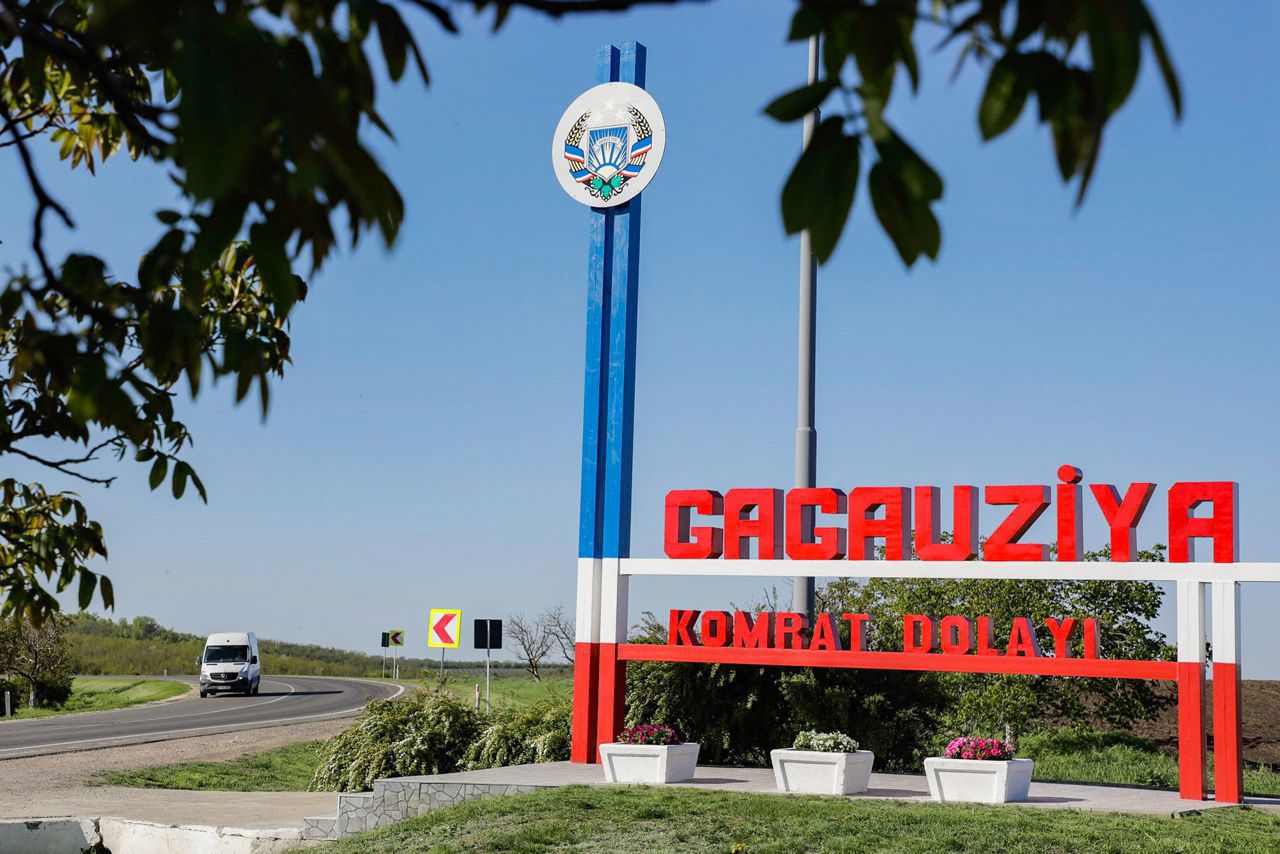
Chișinău's central authorities are being urged to tackle political and electoral corruption in Gagauzia and actively foster conditions for ethnic Gagauz to learn the Romanian and Gagauz languages.
A parallel focus is the urgent cleanup of the informational environment. These actions are vital to integrate the autonomous region more closely with the state and to "break the political monopoly" currently held by the Russian Federation in the Gagauz Autonomy, a region where Russian is widely dominant and where only three schools offer instruction in the Romanian Language.
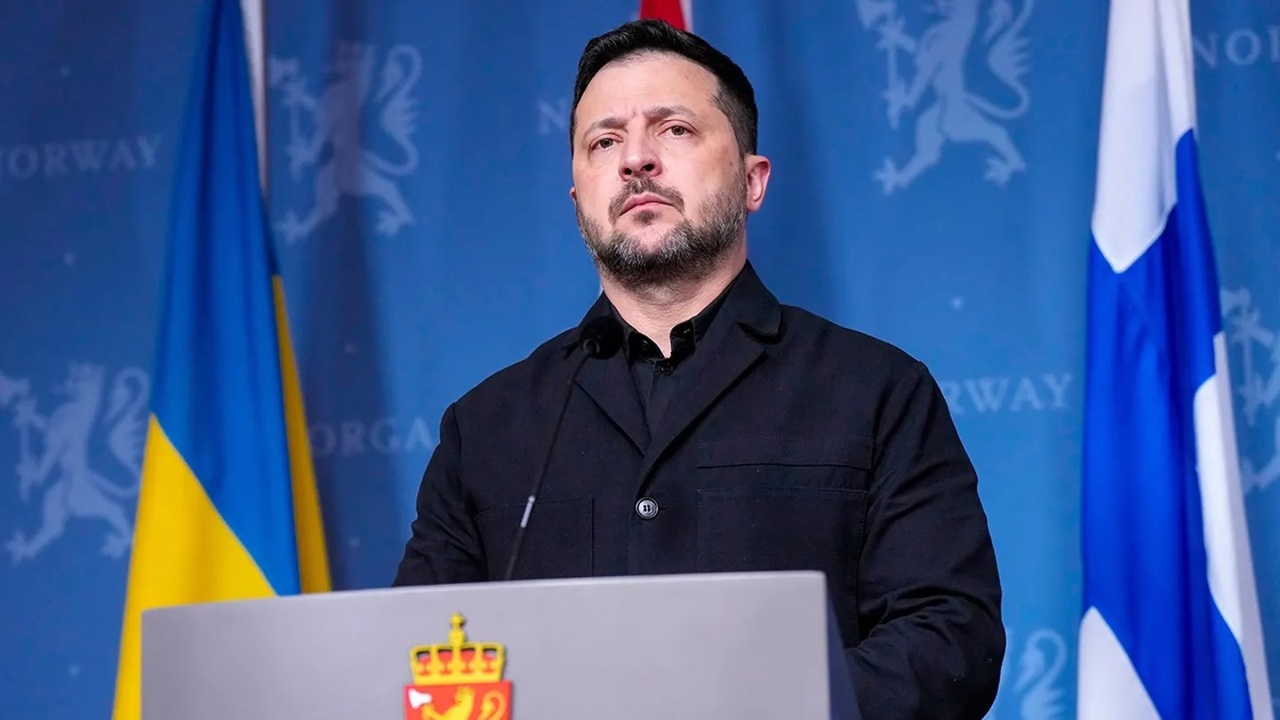
This firm appeal comes from Parliament Speaker Igor Grosu, who also commended the recent opening of a regional radio station in Comrat by the state-owned Company, Teleradio-Moldova.
Speaker Grosu confirmed that Chișinău has planned medium- and long-term policies centered on the Gagauzia integration and "rapprochement." Education and communication stand out as key priorities in this drive toward European Integration.
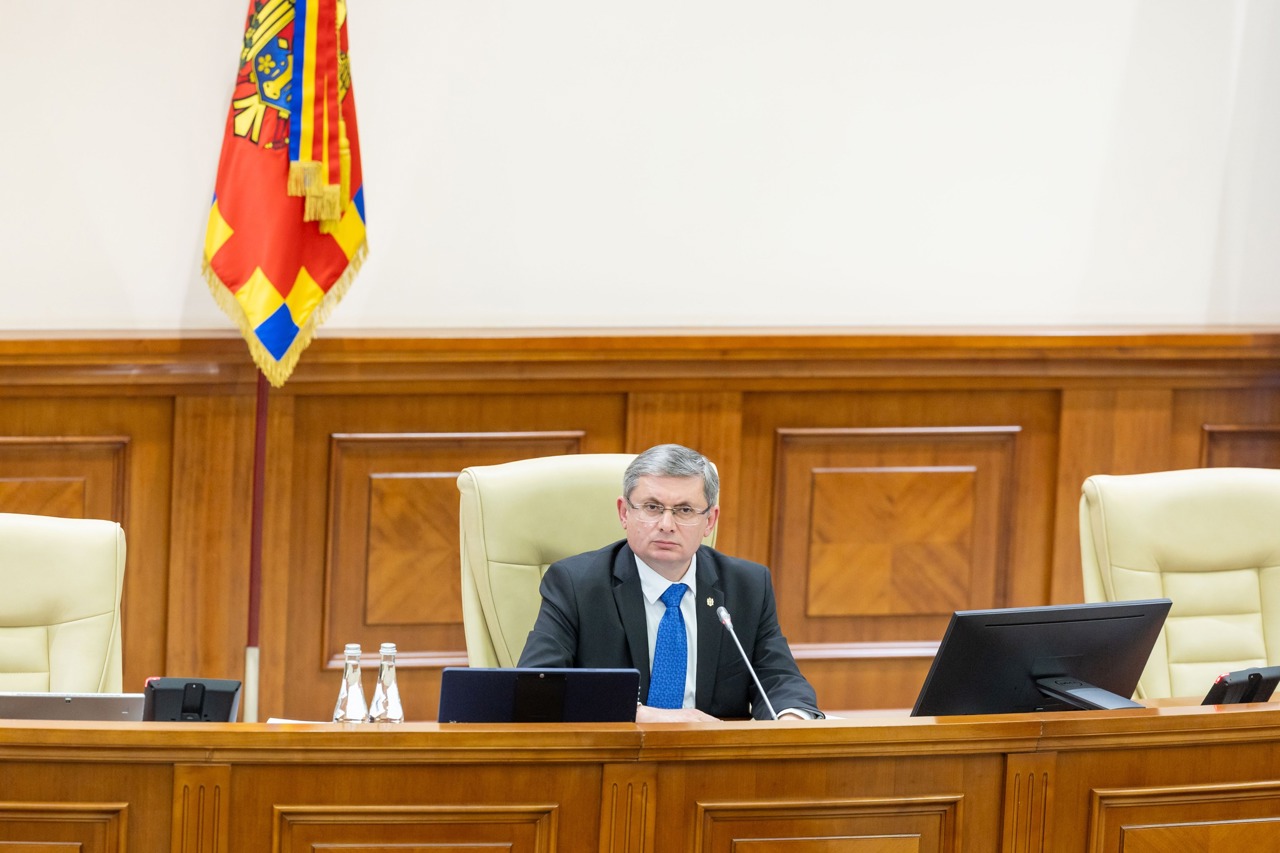
"We must be persistent in this regard; we will have to create the conditions and arm ourselves with patience. We need more educational institutions that provide the opportunity for children and parents to study in the Romanian Language, in the Gagauz language, alongside the necessary cleanup of the informational environment. I am very pleased that Teleradio-Moldova has opened an antenna there, and it is good that local journalists produce and present media content," Igor Grosu stated on November 3, during the "Punctul pe Azi" show on TVR Moldova.
He stressed the unity of the state, confirming that Gagauzia is an integral part of the Republic of Moldova. "We are a whole," he declared, emphasizing that together, "we must bring order to our house."
Furthermore, he affirmed, "We must and will continue the cleanup—the fight against Moldova corruption, both political and electoral. The local politicians must understand this: those who promote the policies of foreign states using the money of organized criminal groups or other states will face the law. We have lived and will live together; this is not up to those in Moscow or the Kremlin. Therefore, Gagauzia, as a part of Moldova, together with the local business community, journalists, mayors, and civic activists, will have to bring order to our house and move toward our ultimate goal of European Integration. There is no other alternative," Igor Grosu concluded in his address.
This push follows the July 1 launch of Radio Moldova Comrat by Teleradio-Moldova. This regional station, dedicated to the inhabitants of the Gagauz Autonomy, has its own schedule of 24 shows, broadcasting 12 hours of original programming daily in the Gagauz and Russian languages, including news, cultural, educational, and entertainment content. The remaining schedule consists of rebroadcasts of Radio Moldova programs.
In addition, starting in 2023, ethnic Gagauz have the opportunity to learn the Romanian Language through a state-supported National Program for Learning Romanian by National Minorities.
Lastly, the Center for Romanian Language and Culture was reopened after several years at the Comrat State University. This crucial initiative offers students, teachers, and anyone interested the chance to learn the Romanian Language, a move facilitated by collaboration with the Institute of the Romanian Language and the Department for Relations with the Republic of Moldova within the Government of Romania.
Translation by Iurie Tataru