Over 1,800 bullying cases reported in schools in 2025: "Teachers play a key role in preventing violence"
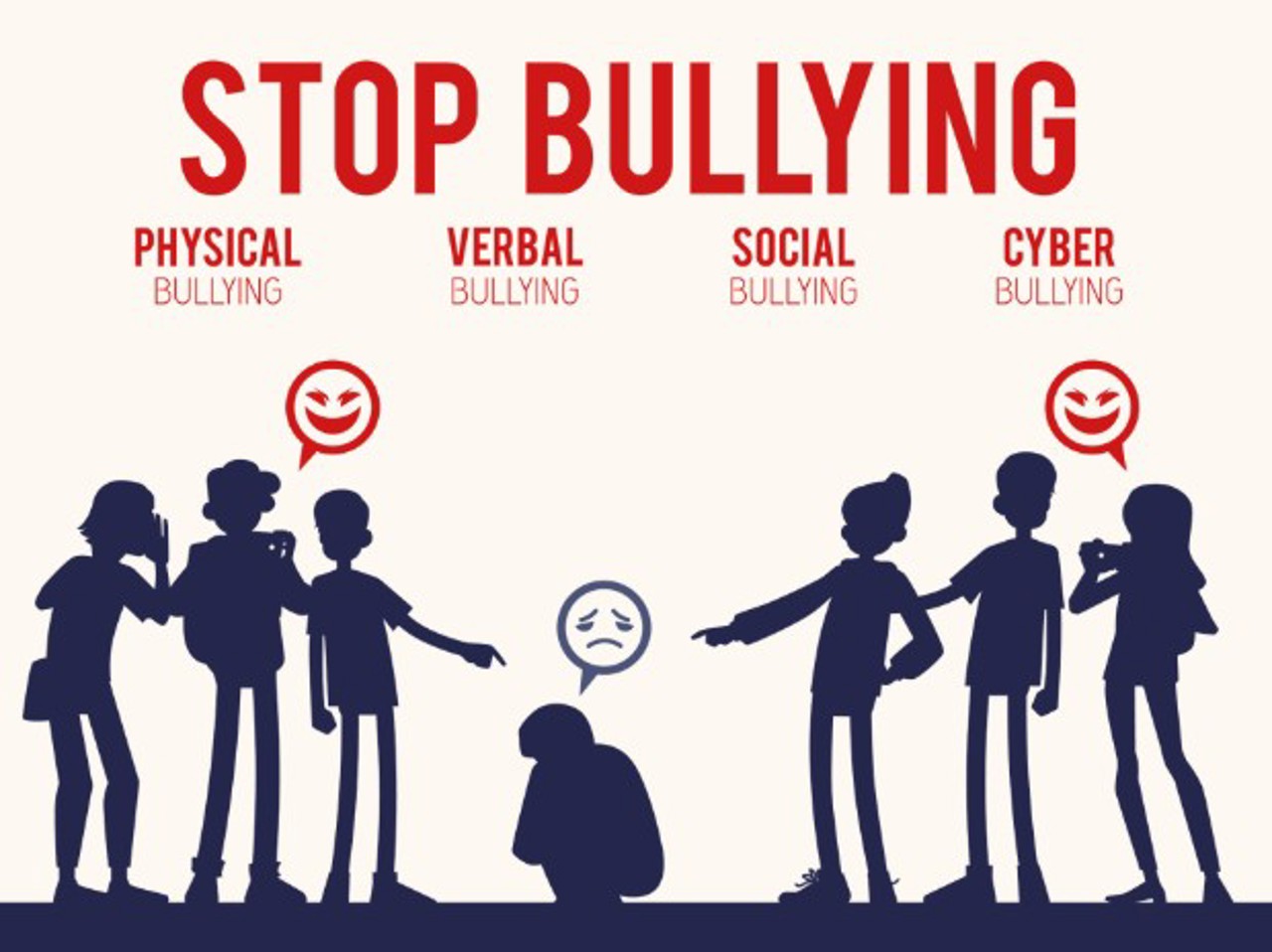
According to data from the General Inspectorate of Police, confirmed by the Ministry of Education and Research, one in five students in the Republic of Moldova is a victim of bullying in schools. In 2024, there were 1,718 reported cases of bullying in educational institutions, and in 2025, this number is projected to rise by an additional 108 cases.
Specialists explain the increase in bullying cases by greater awareness and reporting of the phenomenon by children, parents, and teachers.
"Compared to the 2024-2025 school year, the number of recorded bullying cases has risen significantly, with an estimated increase of 108 cases. This rise can be attributed to both children and adults recognizing the importance of reporting such incidents to educational institutions," stated Inga Grosu, senior consultant at the Directorate of Management in General Education within the Ministry of Education and Research (MEC), during the “Public Space” show on Radio Moldova.
The reasons behind this phenomenon are varied, ranging from a lack of positive role models in the family to peer pressure.
"The causes are diverse, starting from family factors and social influences. A child may not have a behavioral model at home, or they might be subjected to violence themselves, which they then replicate. Additionally, within the school environment, a child may feel the need to gain social status or popularity among their peers," explained Marina Grecu, a school psychologist at the “Spiru Haret” Theoretical Lyceum in Chisinau.
Marina Grecu also noted that “cyberbullying, on the other hand, leaves even deeper emotional scars.”
Violence in schools manifests in various forms—physical, verbal, psychological, or through discrimination—and the effects can be long-lasting, added Arina Zîcu, director of the Information and Documentation Center on the Rights of the Child in the Republic of Moldova.
"Any form of violence or bullying is painful and negatively impacts a child's development," she said.
Teachers and parents urged to pay attention to the signs
Despite the increase in reported bullying cases, experts warn that the actual situation may be worse, as many incidents go unreported due to a lack of management skills or a desire to protect the school's image.
"There is still very little knowledge or skill in detecting bullying situations at educational institutions, and limited capacity to manage such situations. Schools are sometimes overly concerned about their reputation. Often, for misguided reasons, we try to cover up issues; either we don't know how to handle the situation, or we prefer to avoid facing the reality," Arina Zîcu explained.
Psychologists recommend that teachers and parents pay close attention to the emotional signs of children experiencing bullying, such as isolation, lack of involvement, fear, or changes in behavior, and intervene promptly.
"It is essential that we teach teachers to be observant of both the emotional and physical behavior of the child. Additionally, we should encourage children to reach out to any trustworthy person who will not judge or criticize them," emphasized psychologist Marina Grecu.
Nonviolent education starts at home
At the national level, there are 35 territorial psycho-pedagogical assistance structures in place, and where there are no school psychologists, mobile teams have been established. These teams were piloted in 2025 in the districts of Cahul, Drochia, and Soroca. However, the shortage of specialists remains a challenge.
“Not all educational institutions have school psychologists, which means that both teachers and students in these institutions may not have access to the psychological help and support available from colleagues within the territorial psycho-pedagogical structures,” said Inga Grosu, a representative of the Ministry of Education and Research (MEC), in an interview with a public radio station.
The Ministry of Education and Research also offers training programs for teachers, prevention workshops, and awareness campaigns directed at parents.
“Teachers play a crucial role in preventing violence. Through programs such as 'Investing in Teachers and Educators,' we develop skills for identifying, intervening in, and reporting at-risk cases. Additionally, multidisciplinary committees are established in each institution to organize prevention activities and information campaigns,” added Inga Grosu.
Psychologists emphasize that the prevention of bullying begins with fostering empathy, communication, and nonviolent education both at home and in schools.