UNEP report warns global warming will hit 2.5°C without ambition
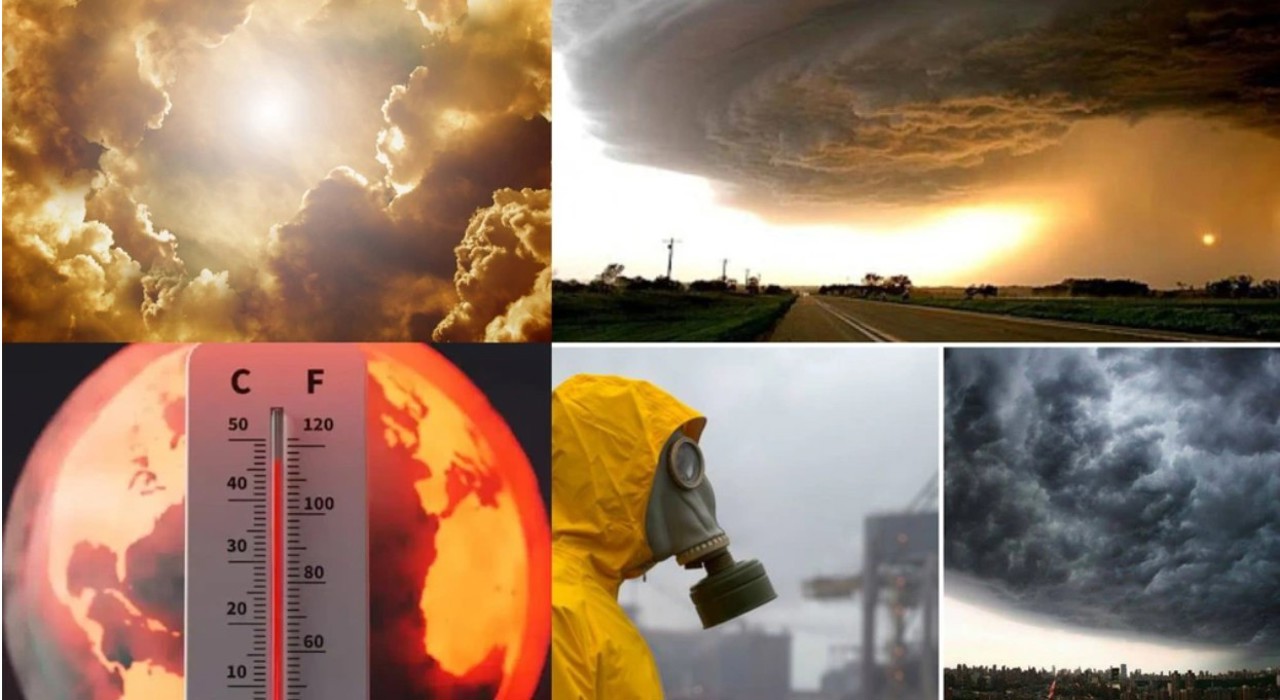
The world is on track for global warming of up to 2.5 degrees Celsius by the end of this century, dramatically exceeding the limits mandated by the Paris Agreement, according to a stark Climate Change Report from the UN Environment Programme (UNEP).
The findings precede the critical UN Climate Change Conference (COP30), scheduled for November 10-21 in Belém, Brazil.
UN experts confirm that even if every nation fully meets its current emissions reduction commitments, the global temperature will still rise between 2.3 and 2.5 degrees Celsius. If more ambitious policies are not adopted, the planet faces a potentially devastating 2.8°C increase, triggering irreversible climate phenomena.
UN Secretary-General issues urgent warning on moral failure
Opening the pre-Conference summit, UN Secretary-General António Guterres delivered a powerful message, admitting humanity has failed to keep warming below the 1.5°C goal set by the Paris Agreement.
Guterres stated bluntly: "We have failed. It is a moral failure. Too many corporations are making record profits from climate devastation, spending billions on lobbying and misleading the public. Too many leaders remain captive to these interests."
He warned that the crucial 1.5°C threshold could be breached around 2030, unleashing extreme and irreversible climate phenomena.
The European Parliament, via a recently adopted resolution, now presses for an equitable climate transition rooted in science, solidarity, and human rights. The EU is targeting a new 2040 climate goal and an ambitious 2035 contribution, focusing support on nations hit hardest by climate change impacts.
COP30: The final stand for the Paris Agreement
With floods, wildfires, and heatwaves surging in frequency, humanity stands at a critical turning point. COP30 is widely viewed as the last realistic chance to uphold the Paris Agreement's spirit and avoid a global catastrophe.
Annalisa Corrado, S&D rapporteur for the COP30 resolution, emphasized the need for decisive action: "COP30 in Belém must mark a turning point for climate justice and global cooperation. The world needs not only more ambition but also true equity and solidarity—especially with developing countries, which bear the least responsibility for emissions yet face the harshest effects."
Corrado further stated that the EU must lead by example, aligning its 2035 and 2040 targets with the latest science. "Climate action is not just about reducing emissions; it's about protecting communities, building peace, and leaving future generations a planet they can truly live on. The reality is harsh: there is no Planet B, and our time to act is running out."
The Paris Agreement, adopted at COP21 in December 2015, is the first legally binding global accord on climate change. It establishes a framework to limit warming well below 2°C while striving for the 1.5°C limit, simultaneously boosting countries' capacity to adapt and cope with climate impacts.
Translation by Iurie Tataru