Moldova finalizes CIS energy withdrawal to boost independence
The Republic of Moldova is completing its withdrawal from all energy cooperation commitments within the Commonwealth of Independent States (CIS).
The government, in its session on November 12, approved the denunciation of the last of the ten existing agreements—a 1995 accord signed in Minsk regarding the use of compressed natural gas as fuel for motor vehicles. This action significantly advances the country’s push for energy independence.
Six of the ten denounced agreements pertained to the parallel operation of electric power systems, electricity transit, and establishing common operational procedures. The Ministry of Energy clarified that these became obsolete in 2022, the year the national energy system successfully disconnected from the unified CIS network (UPS/IPS) and fully joined the continental European energy network, ENTSO-E.
The remaining three agreements were denounced as part of the broader strategy to eliminate Russian gas dependence by pivoting to European energy markets for gas procurement. For instance, an accord covering the transit of oil and petroleum products via main pipelines was deemed irrelevant, as the Ministry of Energy confirms no such pipelines exist on Moldova’s territory.
Energy Minister Dorin Junghietu highlighted the dramatic shift: just three years ago, Moldova was almost entirely dependent on a single gas supplier.
“Today, this chapter has closed,” he stated during a recent meeting of the Partnership for Transatlantic Energy Cooperation. “We have demonstrated that determination, cooperation, and the European vision can transform vulnerability into resilience and independence.”
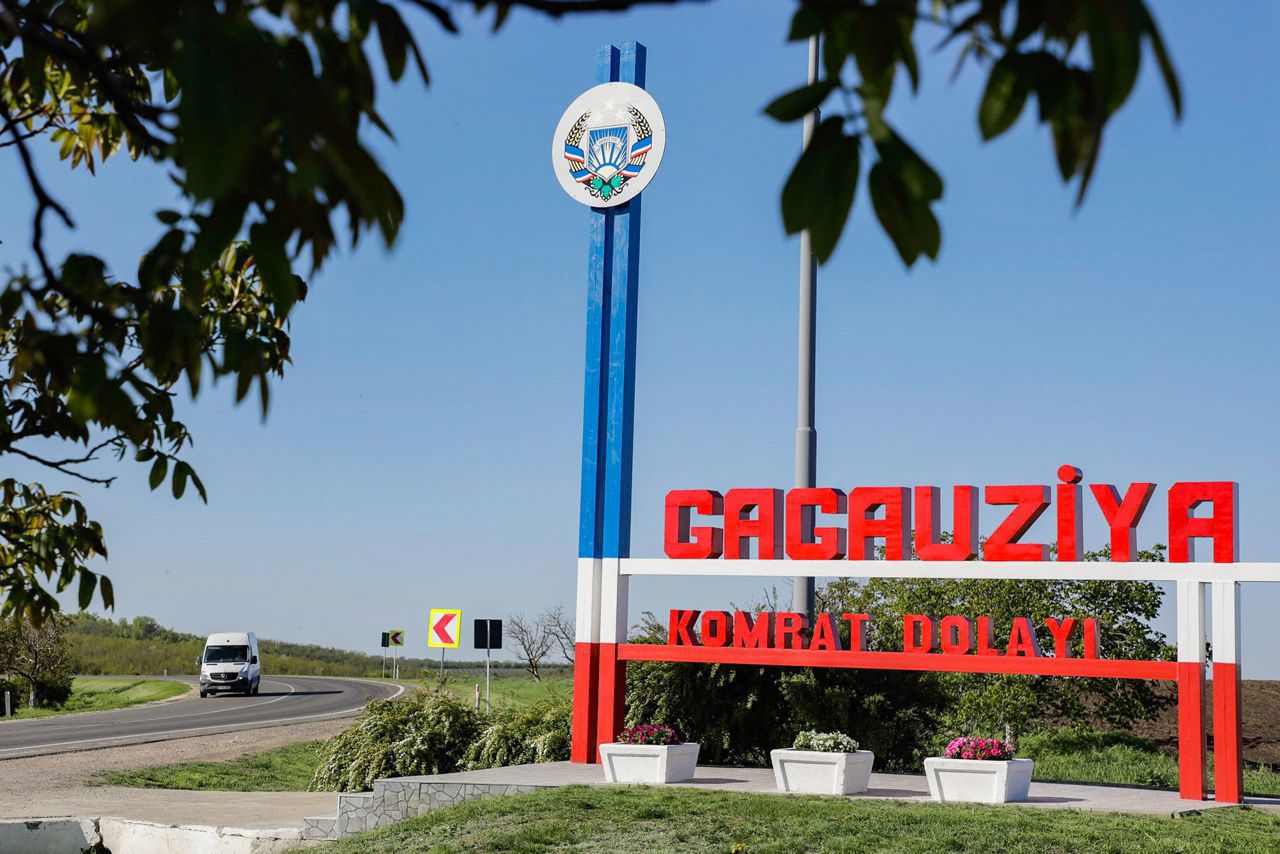
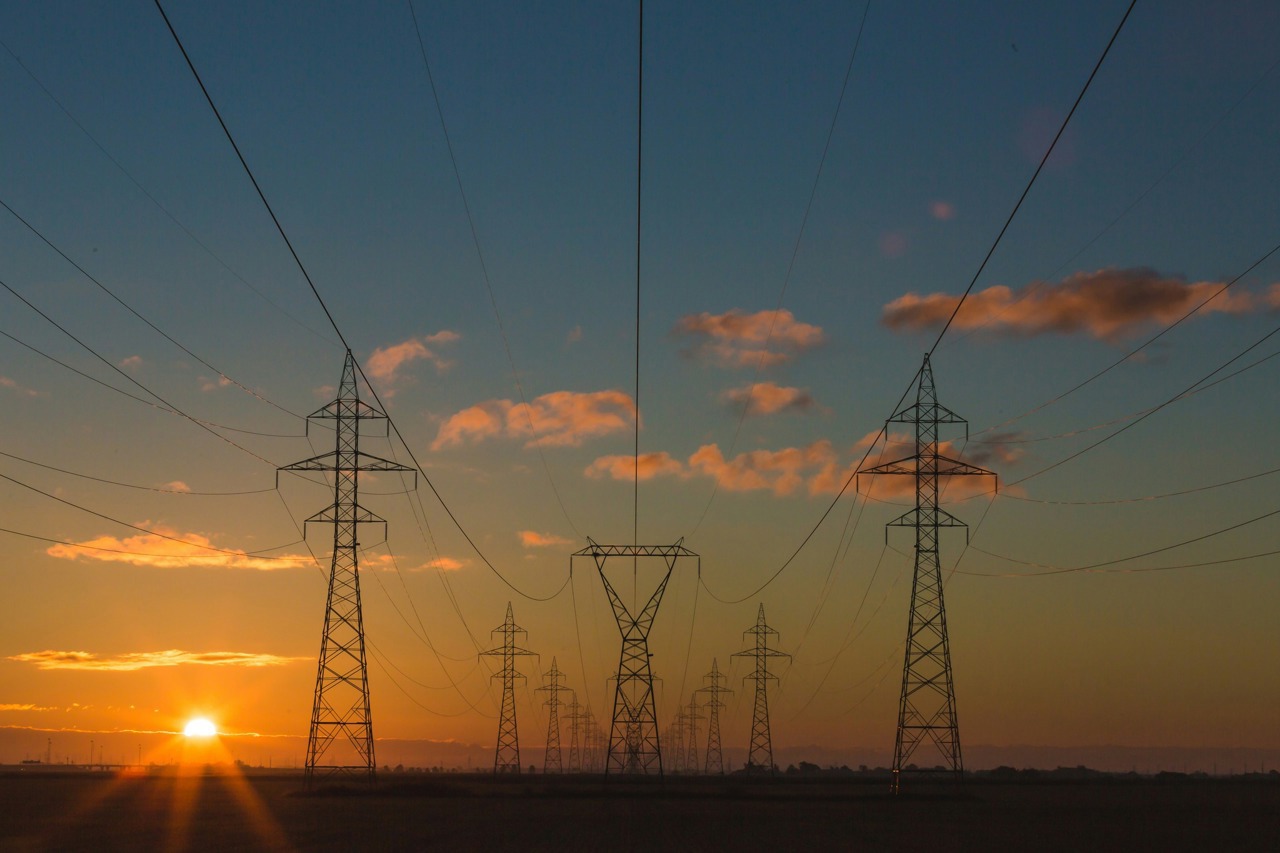
The Minister further announced plans to build new interconnection lines with Romania and Ukraine to solidify energy independence and integrate future renewable energy capacity into the European grid. Key projects, including the Vulcănești–Smârdan, Comrat–Smârdan, and Vulcănești–Artsyz lines, “will allow the country to become an active player on the European energy market.”
Additionally, the construction of the Vulcănești-Chișinău 400 kV power line is set to be completed by the end of this year. The Bălți-Suceava project is scheduled for 2027. Both are deemed essential for boosting cross-border exchange capacity and furthering integration into the ENTSO-E network.
In total, the government denounced seven agreements with the CIS during its November 12 session, originally signed in the early 1990s. Deputy Prime Minister Mihail Popșoi, Minister of Foreign Affairs, noted that these documents “no longer bring any benefit.” To date, the Republic of Moldova has denounced 64 agreements signed under the Commonwealth of Independent States.
Translation by Iurie Tataru