Transnistrian students increasingly opt for Romanian, despite pressure
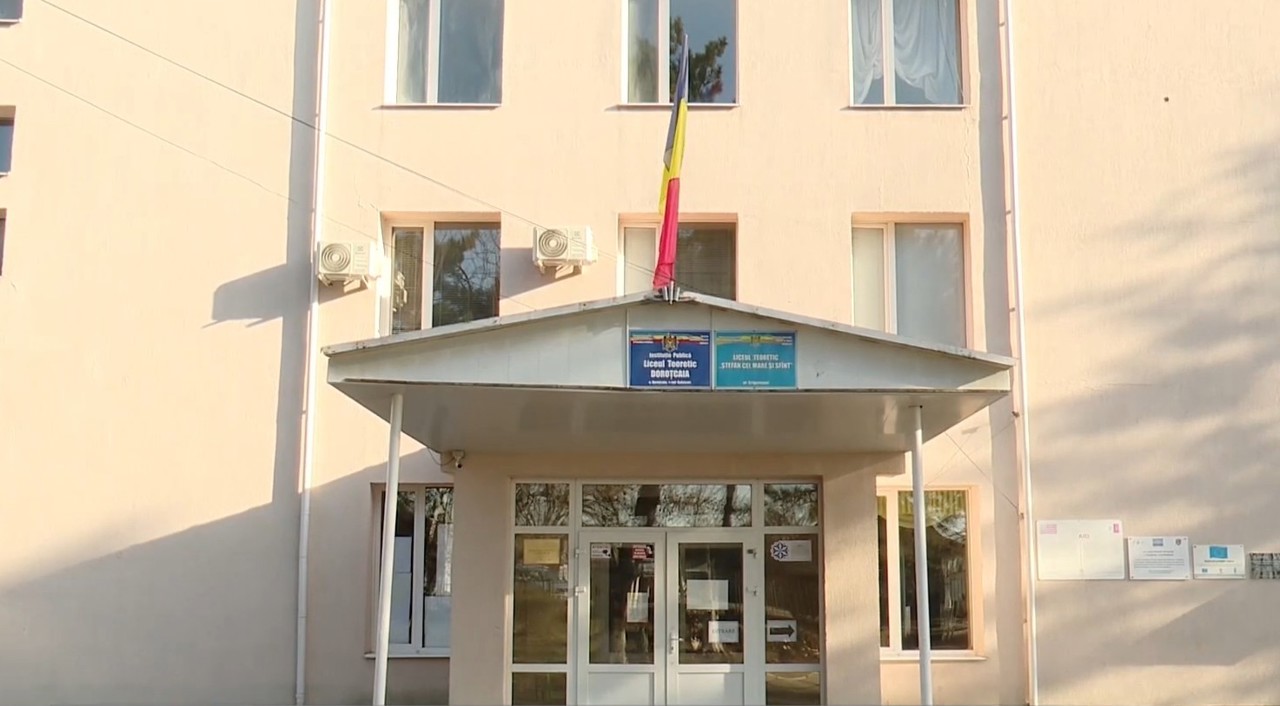
An increasing number of young people in the Transnistrian region are opting to study in Romanian, even though this often requires them to travel long distances by bus daily to attend schools that offer this option. A notable example is the “Ștefan cel Mare și Sfânt” Lyceum in Grigoriopol, one of the eight institutions on the left bank of the Nistru that teach in Romanian. This school continues to operate despite the pressures and restrictions imposed by the self-proclaimed authorities in the region.
In 2002, the lyceum had just 87 students, but today it has grown to 305. The director of the institution, Eleonora Cercavschi, explained in a report by Svetlana Bogatu for the show "Zi de Zi" on Radio Moldova that this growth reflects changing perceptions among families regarding their children's futures.
"Things are changing on the right bank of the Nistru. We have long emphasized that when the right bank becomes more attractive than the left bank, families will view things differently. I believe these schools have played a critical role in shifting mentalities. There is a natural connection between the school, the child, and the parent. Many realized that studying in Tiraspol marginalizes their children. While the choice was once Russia, the situation has changed," stated Eleonora Cercavschi.
For 23 years, the "Ștefan cel Mare și Sfânt" Lyceum has not had its own building. In 2002, the institution sought refuge in the commune of Doroțcaia, which is under the jurisdiction of Chișinău—a solution intended to be temporary. Since then, the high school has been operating in rented premises and was temporarily moved to Coșnița last year.
Despite this, the school continues to increase its student enrollment, a trend also observed in other Romanian-language schools in the region.
The absence of a permanent building remains the biggest challenge and “the most ardent dream of our team,” the director emphasized.
Additionally, the administration points to a shortage of teaching staff as another significant challenge in maintaining high educational standards.
Daily commute: Sacrifice of teachers and students
Both students and teachers commute daily to the lyceum. For 17 years, teacher Ana Calin has travelled the same route with her students. Although it can be a physically exhausting journey, the fatigue is balanced by the joy of teaching in Romanian.
“It is a great fortune for these children, even though we make a 30-minute trip each way. It is tiring, especially since the children are young, and there are times when they even fall asleep on the bus before we get home,” the teacher shared.
This academic year, Iurie Gavroșenco, a physics teacher and former student, returned to the institution with the desire to share his experience and prepare the new generation.
“The world is gradually recognizing that studying in Romanian, our native language, is far superior to studying in a language that doesn’t even exist—the 'Moldovan language' with Cyrillic characters,” the professor noted.
Students' choices: Opportunities for study
Despite the tiring commutes and associated pressures, students emphasize the extensive opportunities available in schools that offer Romanian-language instruction. Miroslava Barbos and Aurelia Goremult, two final-year students from Grigoriopol and Butor respectively, confirm that their parents made the right choice.
“I came here to learn English because there was no such opportunity in our village,” one of the young women said, linking her future to Romania, where she hopes to continue her studies.