How to boost your immunity with a healthy winter diet
As temperatures drop, the body needs an extra boost of energy and essential nutrients to combat the cold.
The winter diet plays an essential role in maintaining immunity, energy levels, and overall well-being. Therefore, balanced meals rich in vitamins must be prioritized and adapted to the seasonal rhythm, say nutritionists.
Nutritionist Maria-Victoria Racu recommends a healthy winter eating regimen rich in seasonal fruits and vegetables, which must also include proteins, essential fatty acids, complex carbohydrates, and foods rich in vitamins C, D, E, antioxidants, and iron to boost immunity. A balanced and diversified diet starts with breakfast, which must include foods that armour the immune system, Maria-Victoria Racu mentioned on Radio Moldova.
"Starting the day with breakfast is practically the first intervention we can make to prevent the body from being infected with viruses and bacteria. Preferably, it should be rich in protein, such as eggs or dairy products, including Greek yogurt, which is one of the richest sources of protein. Hard cheese is also a great option and should be associated with fresh fruits and vegetables and a source of complex carbohydrates, like whole grains. Starting the day with this kind of breakfast equips us with energy and healthy proteins to face the challenges of this season strongly," stated Maria-Victoria Racu.
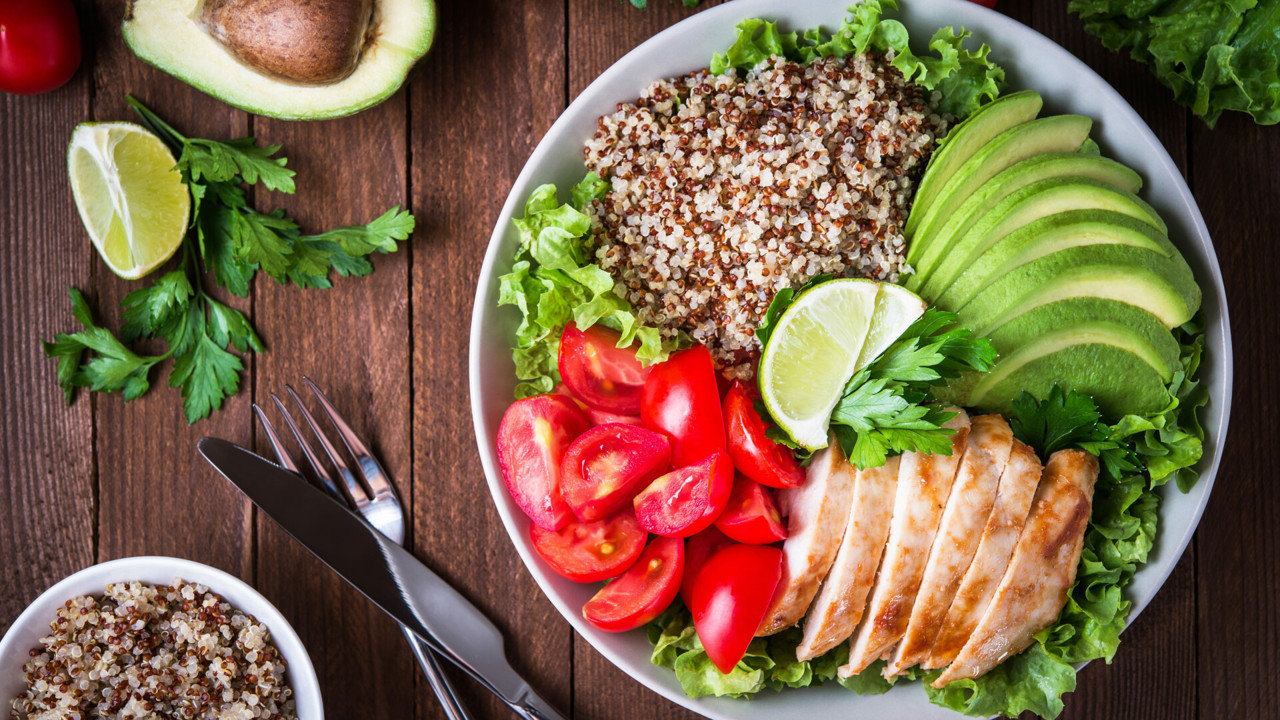
According to the nutritionist, it is advisable to follow the principle of the healthy food plate during this period, which applies to all main meals, including breakfast, lunch, or dinner.
"It would be good to eat on a plate with a maximum diameter of 23 centimeters—a standard serving plate, not a large platter—to prevent excessive calorie intake. We often want to eat more when it's cold, but it's best to maintain our usual calorie count unless the outside temperature is extremely low. Half of this 23-centimeter plate should be allocated to fresh fruits and vegetables. Fruits can be consumed during the meal; it is even recommended to prevent a sharp blood sugar rise. The guideline is three servings of vegetables and two servings of fruit per day, each weighing 80 grams."
"We divide the other half of the plate in half again: one quarter should be protein sources, whether it is meat, fish, eggs, or dairy products. For a vegetarian or vegan diet, we can substitute with beans, lentils, peas, chickpeas, soybeans, and soy products. And we fill the last quarter with whole grains. Bread and pasta are also included here. The plate should ideally contain vegetables of at least three different colors, because each type of vegetable, each hue, contains specific antioxidants," explained the nutritionist.
The specialist also stressed that during this period, overindulging in sweets and sugar-rich products is highly discouraged.
"Sweets are part of the comfort foods we look for during this period because we often experience a vitamin D deficiency since sunny days are few, and we do not expose our skin to the sun's rays. At the same time, we experience gloomy days. However, I would not recommend overindulging in sweets and sugar-rich products because they are a known factor that weakens the immune system. Nevertheless, 85% of what we consume throughout the day should be balanced and varied. The remaining 15% allows for these small pleasures, which translates to a limited dessert (no more than 150 grams) twice a week," said Maria-Victoria Racu.
According to the nutritionist, improper hydration leaves our body very vulnerable to the cold:
"It is recommended to consume hot drinks, such as herbal tea or green tea, which are rich in antioxidants. Unsweetened compotes can also be consumed, but drinking sweet beverages like tea or coffee with syrups or a large amount of sugar weakens our immune system. I would advise against abusing alcohol because it gives a false sensation of warmth due to the dilation of blood vessels in the upper layer of the skin. It is crucial to understand that when it is very cold outside, our body constricts blood vessels to preserve heat internally."
Translation by Iurie Tataru