European Republic of Moldova: EU, Council of Europe and Alexandru Munteanu in Brussels
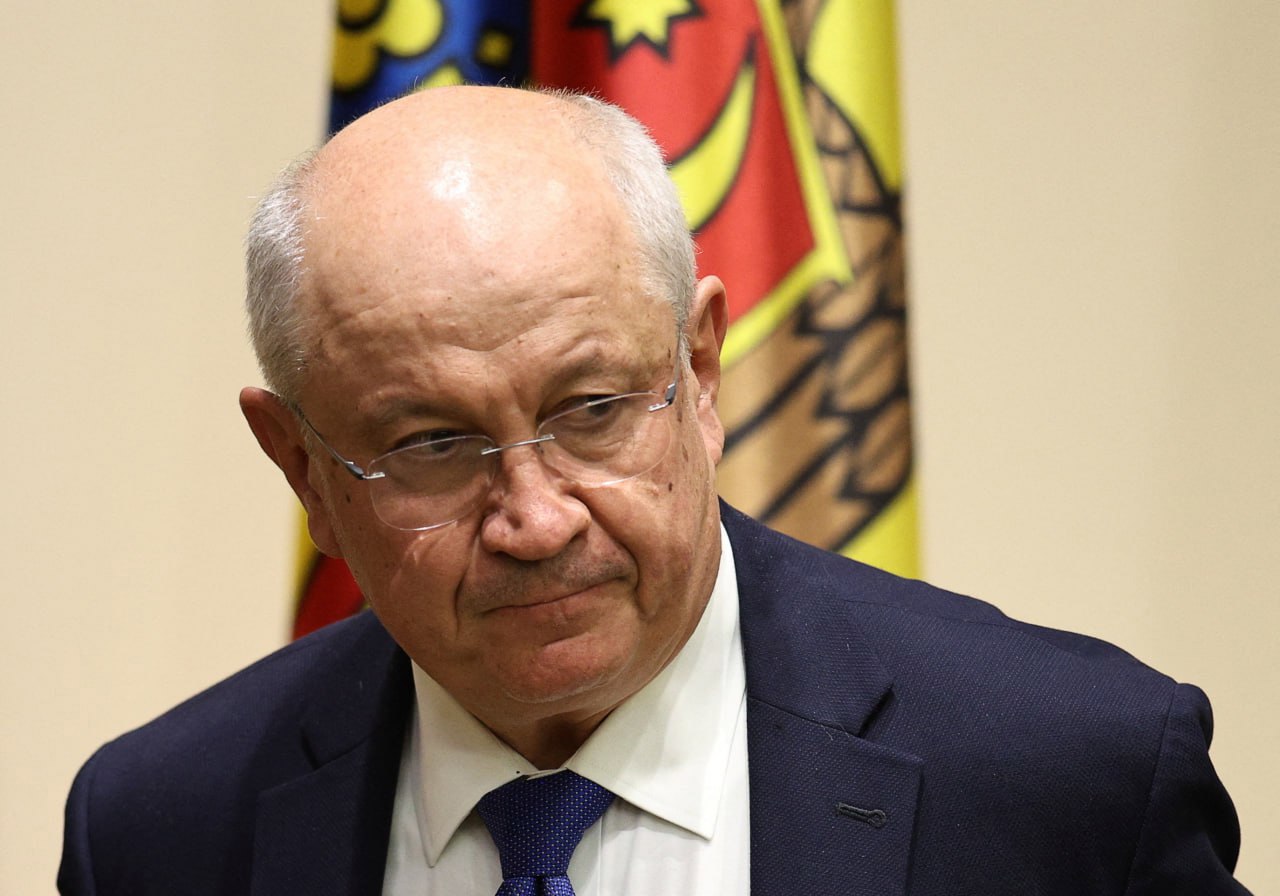
Prime Minister Alexandru Munteanu is set to make his second official foreign visit to Brussels, the capital of Europe, on Monday and Tuesday, November 17-18. During this visit, the Prime Minister will meet with top officials from the European Union and deliver a speech at the European Business Summit on Tuesday.
Alexandru Munteanu will meet with several key officials during his visit to Brussels, including Ursula Von Der Leyen, the President of the European Commission; Antonio Costa, the President of the European Council; Kaja Kallas, the Head of European Diplomacy; and Marta Kos, the European Commissioner for Enlargement.
Following these discussions, the Prime Minister will deliver a speech at the European Business Summit, which marks its 25th anniversary. This event aims to foster dialogue on the solutions necessary for the European Union to remain resilient, innovative, and globally competitive in light of the current geopolitical situation. The Prime Minister will attend alongside Eugen Osmochescu, the Minister of Economic Development and Digitalization.
Munteanu's trip to Brussels comes on the heels of the Republic of Moldova assuming the rotating presidency of the Committee of Ministers of the Council of Europe, a position it will hold until May 2026. The objectives for Chisinau's presidency were articulated by Foreign Minister Mihai Popșoi on Friday, November 14, in Strasbourg.
This visit marks Chisinau's final European diplomatic engagement before Maia Sandu's potential participation in the European Council (the summit of EU leaders) scheduled for December 17-18.
What is the Council of Europe?
The distinction between the various European institutions can be confusing for the public, especially given their similar names. Here’s a brief overview of their roles:
The Council of Europe, which is now presided over by the Republic of Moldova for the next six months, is not an EU institution. Rather, it is an intergovernmental organization focused on defending human rights, promoting cultural diversity in Europe, and addressing social issues such as racial discrimination and intolerance.
Currently, the Council of Europe has 46 member states, including the 27 EU member states. Its headquarters is located in the Palais de l'Europe in Strasbourg. Russia was a member until March 16, 2022, when it was suspended following its invasion of Ukraine that began on February 24.
Founded in 1949, it was one of its early accomplishments to draft the European Convention on Human Rights, which later led to the establishment of the European Court of Human Rights. The Council of Europe provides a means for citizens to assert their rights under this Convention when those rights are not respected by their own government.
What is the European Council?
The European Council, often referred to as the "European summit," is a meeting of the leaders of the 27 EU countries. It emerged from the regular practice of bringing together heads of state and government since 1974, and was officially established as an EU institution in 2009 with the Treaty of Lisbon.
Today, the European Council convenes all European leaders at least twice a semester—in March, June, October, and December—along with additional extraordinary meetings as needed, such as during the economic crisis or regarding Brexit. The final summit of this year is scheduled for December 17-18 in Brussels, where Maia Sandu, as the head of state of a candidate country, is expected to participate.
Decisions at the European Council are made by consensus following negotiations among member states, which take place well before the summit. The Council plays a crucial role in providing the EU with the necessary impetus for development and in defining general political guidelines. During these summits, heads of state or government also outline priorities and timelines for European integration.
The President of the European Council (currently Antonio Costa from Portugal, who succeeded Charles Michel from Belgium) is appointed by the member states for a renewable term of 2.5 years.
In addition, the Council of the EU is chaired by each member state for a six-month term, with Denmark currently holding the presidency. Romania, which joined the EU in 2007, held the presidency in the first half of 2018. Once it joins the EU, the Republic of Moldova will have to wait for its turn in the presidency rotation, which follows an alphabetical order based on the year of accession.
What is the Council of the European Union?
The Council of the EU, commonly referred to as the "Council" or the "EU Council of Ministers," is an essential institution of the European Union, alongside the European Parliament and the European Commission.
It represents the governments of the EU member states and brings together ministers from various areas of expertise, such as Finance and Foreign Policy. Together with the European Parliament, the Council is responsible for amending and adopting European laws.
The Council of the EU is divided into ten formations: "General Affairs," "Foreign Affairs," "Economic and Financial Affairs," "Agriculture and Fisheries," "Competitiveness," "Education, Youth and Culture," "Employment, Social Policy, Health and Consumers," "Environment," "Justice and Home Affairs," and "Transport, Telecommunications, and Energy."