Braille access remains a key barrier to education for visually impaired students
The persistent lack of access to education for individuals with disabilities presents a significant challenge.
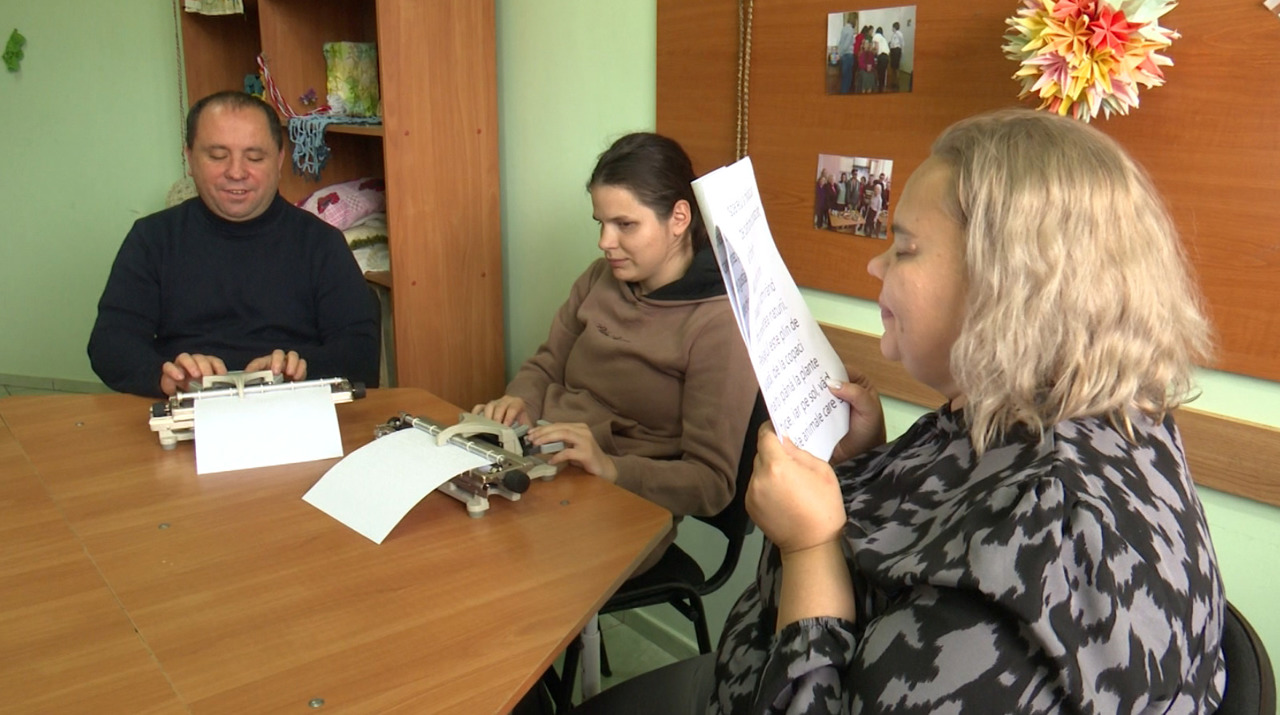
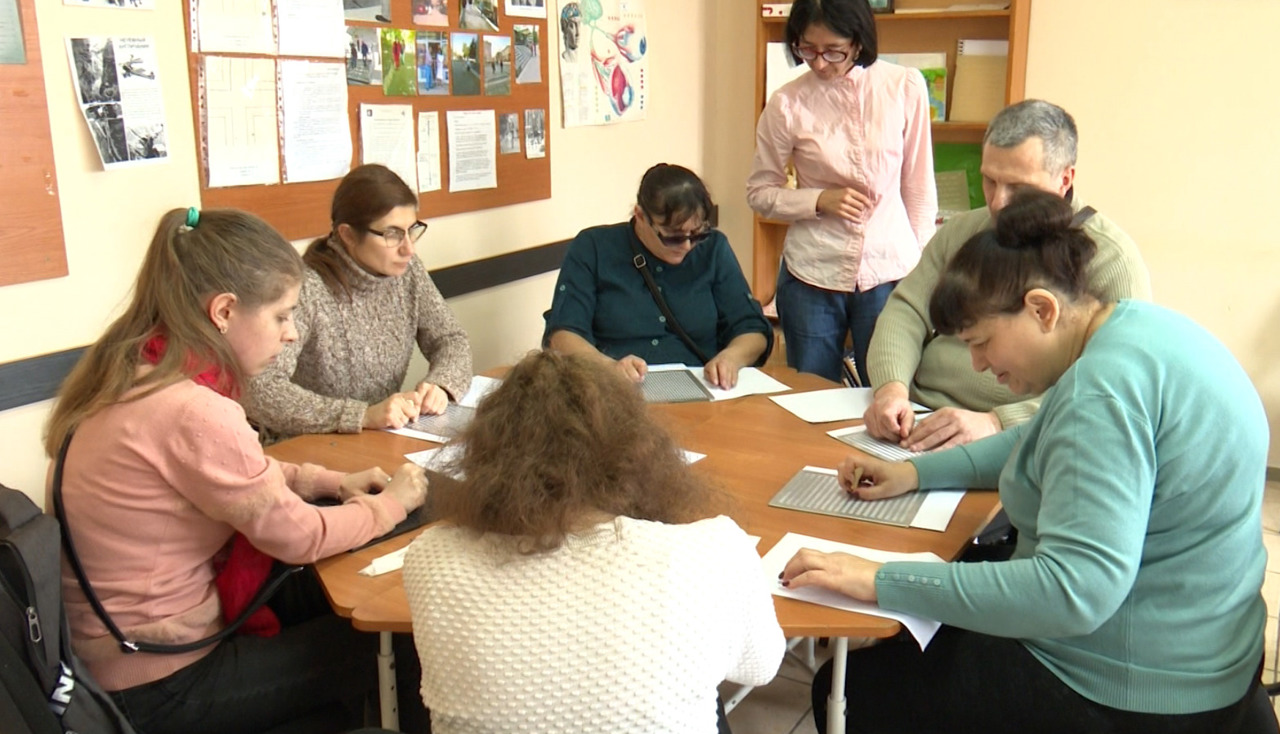
For those who are visually impaired, the scarcity of study materials printed in Braille is frequently cited as the main barrier to Braille literacy.
To address this, specialised support organisations are stepping in. The Center for Information and Rehabilitation of the Visually Impaired, for example, organises essential courses for mastering this vital tactile writing system.
A film crew visited the Center on a day when 20 beneficiaries were taking part in a dictation competition. Participants acknowledged that mastering the Braille alphabet can be difficult. The system is defined by combinations of raised dots, each representing a distinct letter, number, or punctuation mark.
Tatiana Zghibneva, a Tiraspol resident, stated: "Writing in Braille has provided us with a multitude of possibilities. Sustaining the culture of Braille education is paramount for us to develop and secure necessary information."
Maria, 20, is a student at the College of Arts in Soroca who aspires to become a librarian. She explained that she realised in her adolescence that pursuing studies was her route to securing a profession and leading a normal life.
"I was motivated to participate, primarily because it allows us to communicate and network with other visually impaired people," Maria Luca recounted. "I learned the Braille alphabet during my nine years at the school in Bălți, the former school for blind and partially sighted children."
Tatiana Chiperi, the center's administrator, detailed the support offered: "In terms of social rehabilitation, we provide instruction in orientation, mobility, the Braille system, computer literacy, and daily living skills. We also maintain a specialised library with audiobooks and Braille books for visually impaired individuals."
The advance of assistive technology offers clear advantages, allowing individuals to use phones or computers that vocalise written texts.
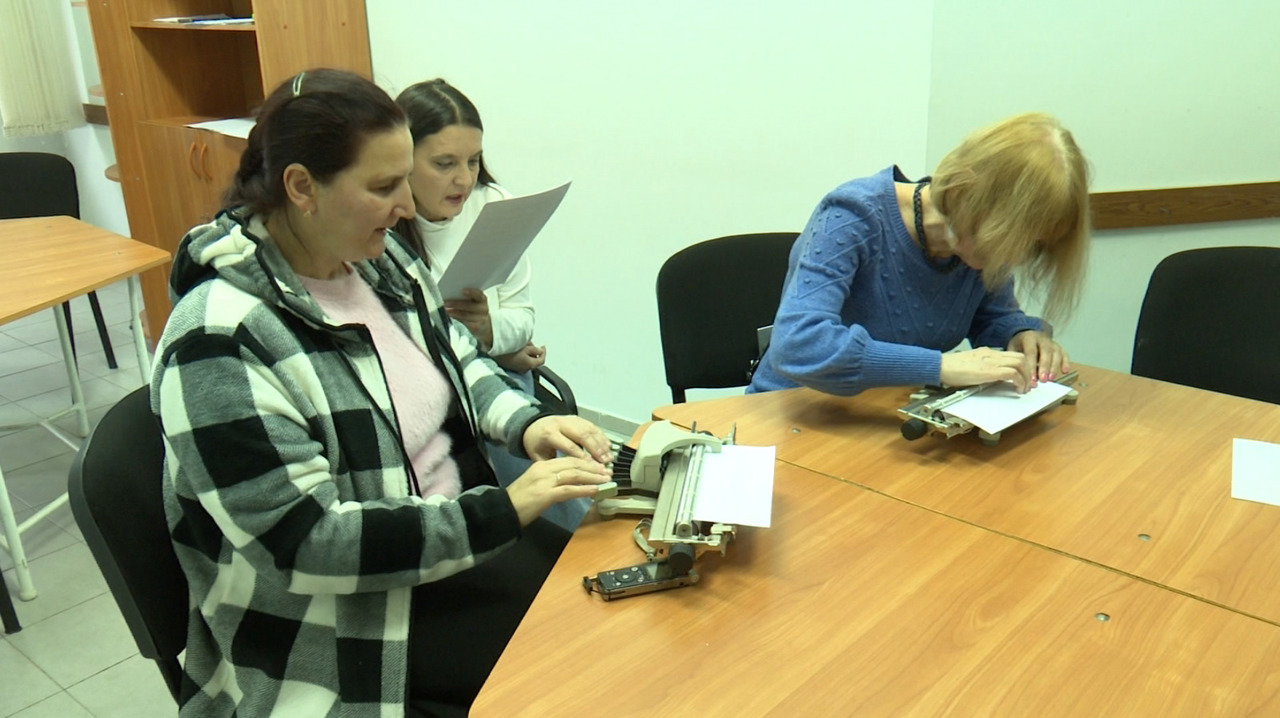
"The Braille alphabet remains essential when technology is not helpful or available," explained Nicolae Ciobanu, president of the Association of the Visually Impaired of the Republic of Moldova. "Just as a sighted person gains a deeper understanding by reading a conventional book, we, by reading a Braille book, better internalise the meaning than through listening."
Over 1,000 individuals benefit from the center's specialised services annually. The marking of the International Day of Education for Blind Children in November is an occasion to reiterate the crucial need to ensure conditions that support the educational and social inclusion of these children within the community.
Translation by Iurie Tataru