ANSA Director: “We communicate at a technical level whenever needed”
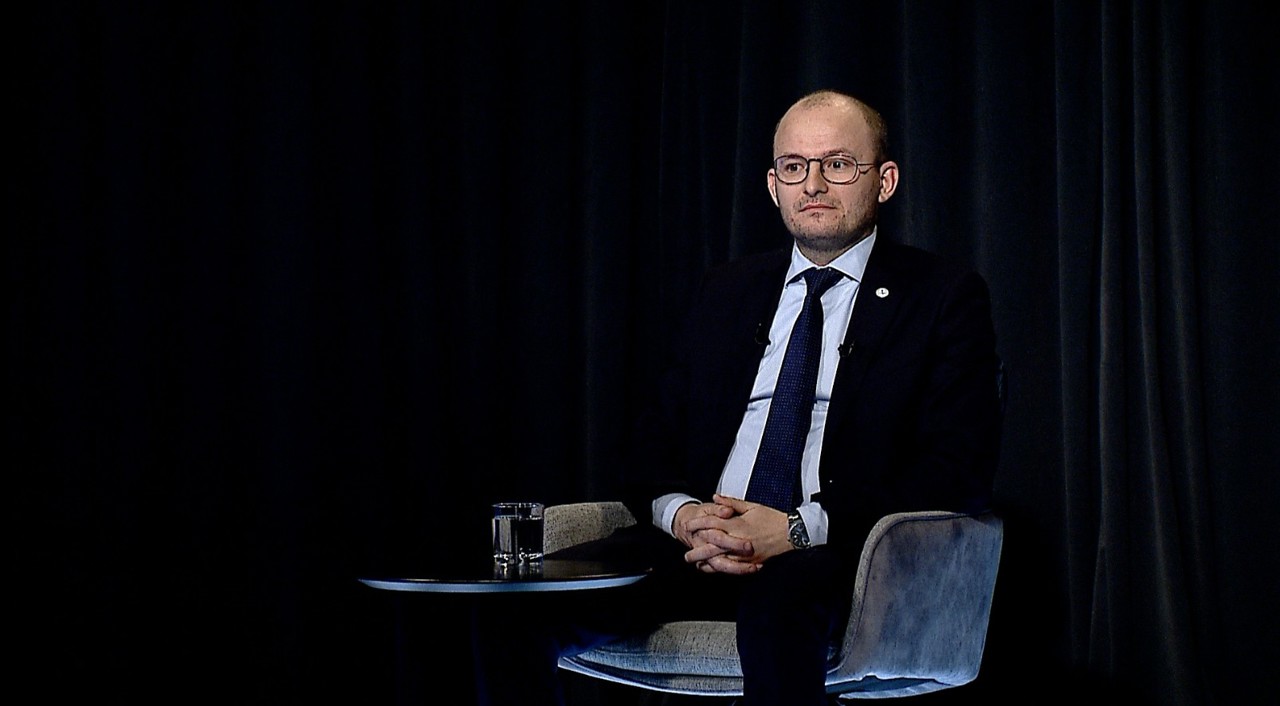
Trade relations between the Republic of Moldova and the Russian Federation continue, although communication between the authorities is strictly at a technical level. Each notification from Moscow regarding phytosanitary issues found in Moldovan plant products is carefully analyzed in Chișinău. In turn, the authorities in the Republic of Moldova inform their counterparts in the Russian Federation about any irregularities detected in Russian products. This was stated by Radu Musteața, the director of the National Food Safety Agency (ANSA), during the PE FAȚĂ show on Moldova 1 TV.
"We communicate at a technical level when necessary, especially when addressing non-conformities or engaging in technical discussions related to product quality. They notify us when they detect certain irregularities. Most notifications from colleagues in the Russian Federation concern phytosanitary matters, as we export plant products to their market. Sometimes, they inform us about the presence of specific pests that pose a high phytosanitary risk for them. Last month, we received several notifications from the Russian Federation, which we scrutinize thoroughly, informing our colleagues in Russia about the actions we have taken. In turn, we also inform them when we detect violations in product quality," Musteața explained to the public television station.
The head of ANSA emphasized that the institution closely monitors the quality and safety of products marketed in the Republic of Moldova, including imports such as canned goods, ketchup, mayonnaise, pastries, and confectionery.
"For the authority I lead, it is essential that the products available in the Republic of Moldova are of high quality and safe," he stated.
Musteața further highlighted that international sanctions have not reduced the volume of imports from Russia, and that the Republic of Moldova is preparing to adopt new European rules on food imports.
"We will implement certain agreements or regulations from the European Union regarding the importation of products into the EU market. These regulations will be integrated into our national legal framework," Musteața pointed out.
Since the Republic of Moldova is no longer part of the Commonwealth of Independent States, "we will need bilateral coordination of sanitary-veterinary certificates, as we do with other countries," explained the head of ANSA, adding that this is "a standard procedure."
Trade relations between the Republic of Moldova and the Russian Federation have been subject to numerous restrictions imposed by Moscow's phytosanitary authorities over the past decade. In March 2006, Rosselkhoznadzor imposed the first embargo on Moldovan wines, citing quality concerns. Later, in 2013, as the Republic of Moldova was preparing to sign the Association Agreement with the EU, another embargo was placed on the same products.
This ban was subsequently extended in 2014 to include fruits and canned goods, claimed to violate phytosanitary requirements. In 2017, batches of apples were blocked after pest detection, and in 2022 and 2023, Russia reintroduced regional and general restrictions on fruits and vegetables from the Republic of Moldova, citing quarantine organisms. Kremlin-affiliated television channels even aired footage of Moldovan products being bulldozed.
Chisinau has termed some of these actions as unfounded or politically motivated.
While the Republic of Moldova has not imposed trade embargoes on the Russian Federation, it does enforce technical measures through ANSA when irregularities are found. Batches of Russian products may be blocked at the border if pesticide residues exceed limits, labels are non-compliant, or sanitary and veterinary certificates are absent. Our country sends official notifications to the Russian side for each violation detected, as does Rosselkhoznadzor.