STATEMENT | “Russia is using Moldova’s airspace for war maneuvers”

On the morning of November 25th, a massive attack by the Russian Federation on Ukraine resulted in the unauthorized intrusion of six drones into the airspace of the Republic of Moldova. Security expert Artur Leșcu characterized the incident as “the biggest violation of airspace” to date. He warns that this event poses a significant risk to the population and serves as an alarming signal of the airspace's vulnerability.
"This incident marks the largest violation of our airspace by enemy drones to date. We have all seen the images, including one that landed on a building's roof. Fortunately, it appears that it does not carry explosives; however, I want to remind you that this type of drone can be equipped with explosives weighing up to 10 kg. Such a weight could mean the loss of human life or the destruction of a building, making this a very serious situation," declared Artur Leșcu in an interview with Moldova 1 TV.
Leșcu stressed that the mere penetration of foreign flying objects into our airspace constitutes a grave issue: "The violation of our airspace, the intrusion of foreign flying objects over the territory of the Republic of Moldova, is the most serious matter at hand."
The expert noted that this phenomenon is no longer isolated and constitutes a "violation of sovereignty" for the Republic of Moldova.
"It is extremely dangerous that unfriendly flying objects are operating in our airspace, circling above our homes. We can no longer claim it is just an isolated incident along the border. Every district in the Republic of Moldova has felt the impact of this situation, from Dondușeni in the south to the north. This is a clear violation of our sovereignty, as no one asks for our permission to use our airspace for military maneuvers. Ultimately, this indicates that Russia is employing our airspace for wartime activities," noted Artur Leșcu.
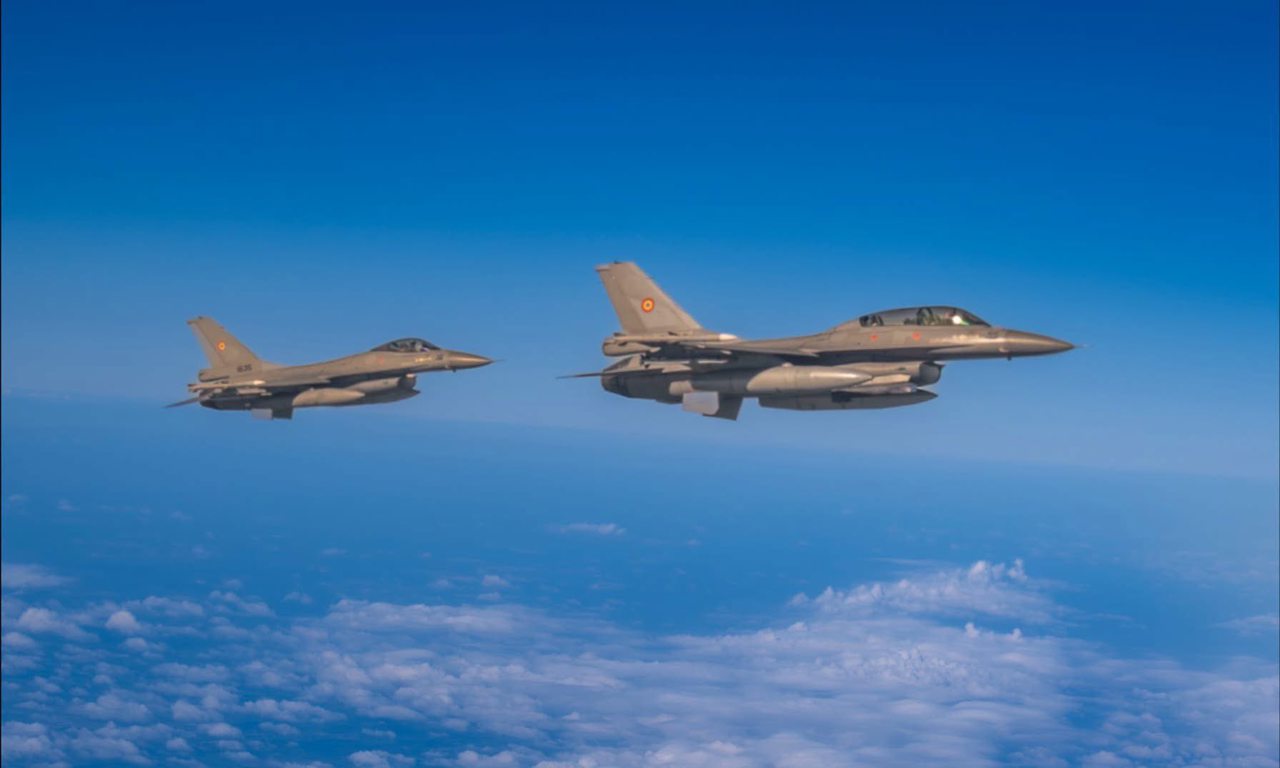
Regarding Romania's potential to shoot down these drones with fighter jets, Leșcu remarked, "It is a difficult mission."
"The planes that are part of the joint air police contingent are intended to protect the airspace of NATO member countries. Unfortunately, attack planes are not well-suited for intercepting or controlling the flight of a drone, which is a slow-moving aircraft. F-16s are supersonic jets that fly at very high speeds, making it challenging to manage the lower speeds at which drones operate. This situation is ongoing. Currently, military forces are exploring the most effective, straightforward, and economical methods to control such situations and effectively target these unfriendly flying objects," explained Artur Leșcu on the public television station.
On the morning of November 25, the airspace surveillance systems of the National Army detected six drones crossing the airspace of the Republic of Moldova without authorization, following a new large-scale attack on Ukraine.
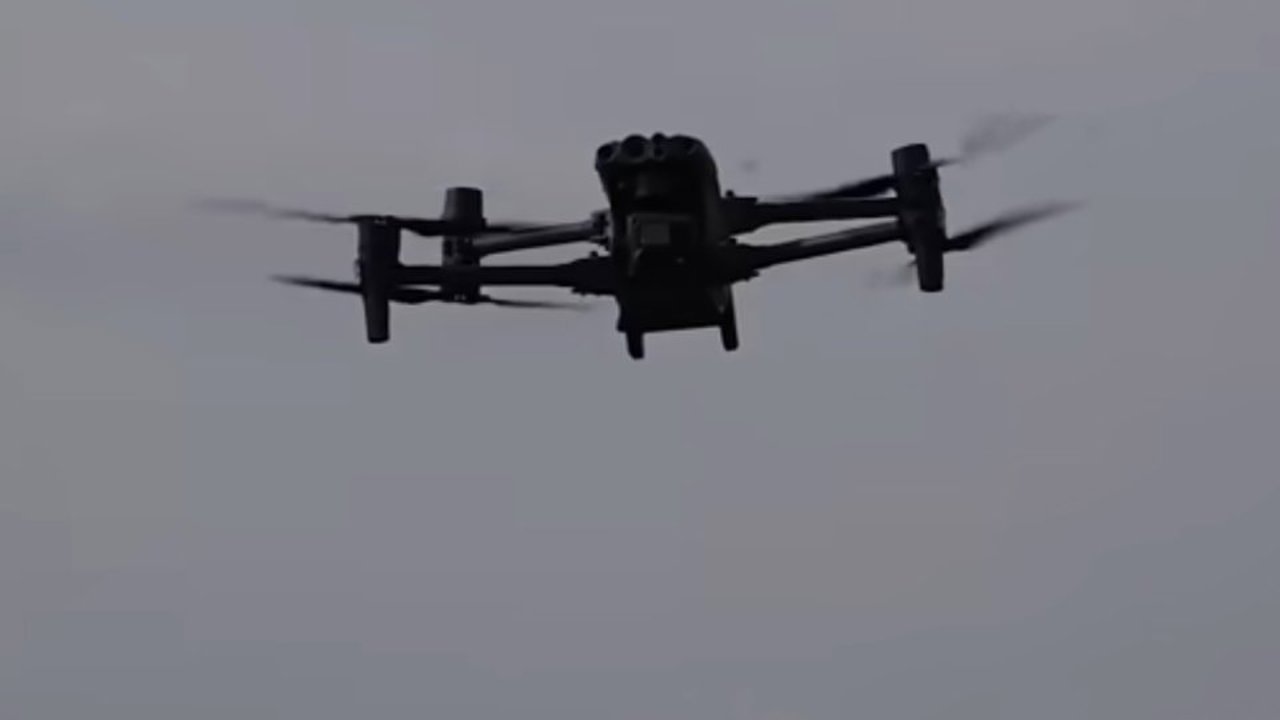
According to the Ministry of Defense, one of the drones, marked with the inscription "Z"—a symbol of Russian military aggression—fell on the roof of a house in the village of Cuhureștii de Jos, located in the Florești district.
The drone is identified as a Gerbera model, manufactured in Russia, according to the General Inspectorate of Police (IGP).
The IGP reported that checks revealed the drone was not equipped with an explosive charge. Gerbera-type drones can be used for purposes such as deception, surveillance, information gathering, and the transportation of explosives.
Specialists indicate that these drones weigh up to 18 kg and can travel up to 600 km at approximately 160 km/h. Additionally, they are capable of flying to an altitude of three kilometers.
On November 26, the Russian Federation's Ambassador in Chisinau, Oleg Ozerov, was summoned to the Ministry of Foreign Affairs.
Meanwhile, Romanian citizens in several localities within Vrancea and Galati counties received RO-ALERT messages on Tuesday morning regarding the potential risk of falling debris in the airspace. Fighter jets were deployed and intermittently detected the drone on radar as it flew at low altitude. The pilots were authorized to destroy the drone; however, it disappeared from radar at some point.
Later, fragments of a drone were discovered in the household of a resident in Vaslui county, Romania.