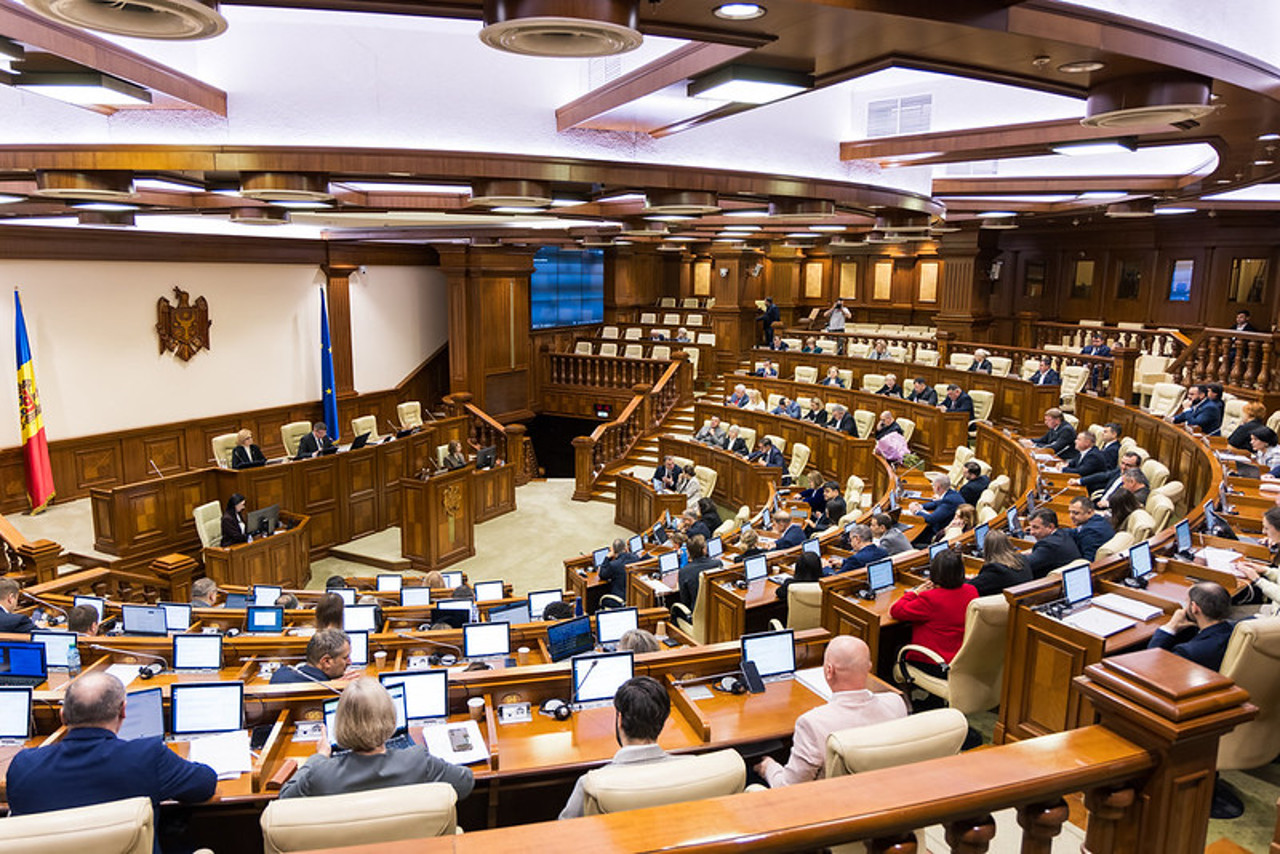
Expert: The stakes of the illegal elections on the left bank of the Nistru — preserving the facade of a fabricated state
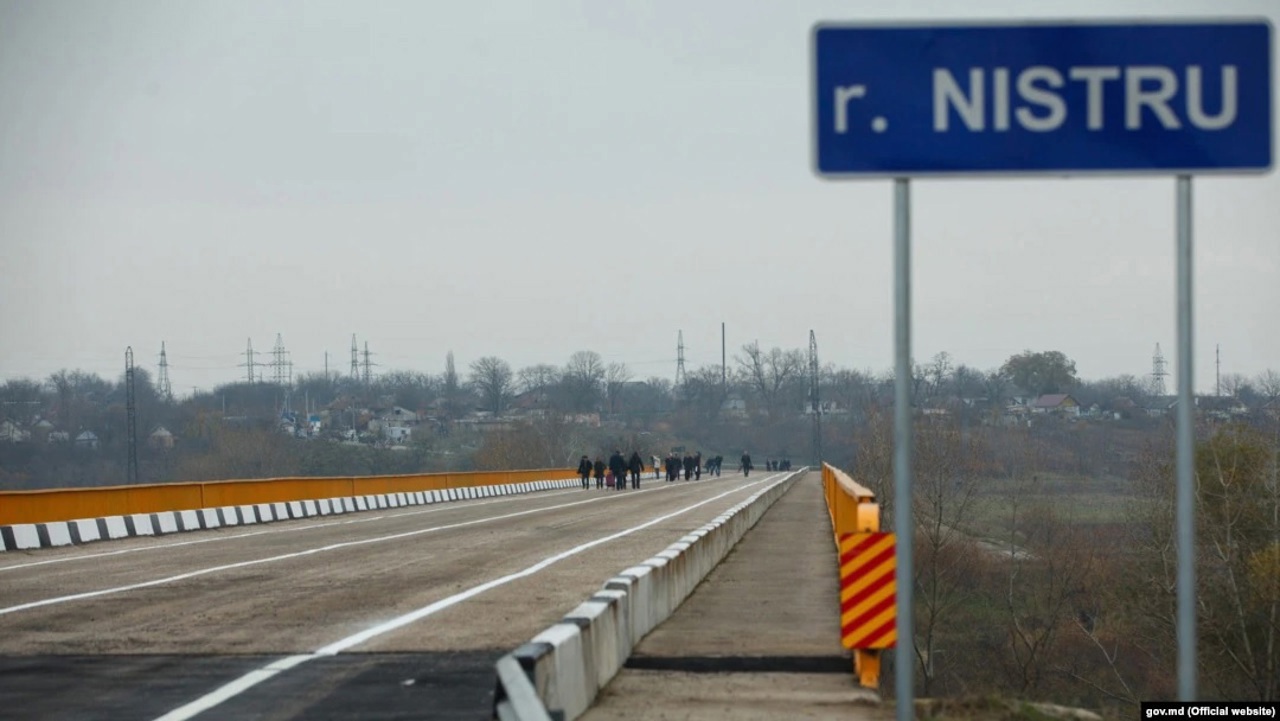
The head of the so-called Central Electoral Commission in Tiraspol, Stanislav Kasap, stated that "international observers" are present at Sunday's elections for the so-called Supreme Soviet, and that they are representatives of Russia, writes the independent publication MOST.
The publication also quotes the TSV channel, which is part of the "Sheriff" holding. According to this source, "international monitoring is carried out by international observers from Russia," who will "visit the sections during the day to film and take pictures."
It is important to note that the Reintegration Office has previously stated that any interactions or contacts with the Transnistrian region must respect the sovereignty and territorial integrity of the Republic of Moldova. This applies to both participants in the negotiation process and external partners of Moldova.
Additionally, the Office advised the publication Zona de Securitate that it recommends that international partners refrain from issuing statements of support, promoting media coverage, or sending "observers."* Such actions could create the impression of legitimization.
Human rights expert Mihaela Șerpi from the Promo-LEX Association asserts that the goal of the alleged elections is to maintain the facade of a functioning state on the left bank of the Nistru, thereby legitimizing the occupying structures.
“The purpose of these elections, which are in fact illegal and illegitimate, is to create the illusion of a so-called state in the Transnistrian region. It is widely recognized that the occupying regime in Tiraspol has set up its own structures and a phony electoral process. Ultimately, this serves to imitate the existence of a state and confer legitimacy upon the occupying authorities through an electoral process that lacks democratic standards and does not adhere to international norms,” she commented for Teleradio-Moldova (TRM).
The so-called elections in the Transnistrian region began on November 24 with "early voting." The cost of these elections is approximately $1.12 million, and most of the "candidates" are affiliated with the Sheriff holding or are structures loyal to the Tiraspol leadership.
“They are not concerned about the results because they are predictable. However, they are afraid of voter abstention,” said lawyer and Transnistrian issues expert Vadim Vieru, program director at the Promo-LEX Association, in an interview with Radio Moldova.
Lastly, it is worth noting that during the so-called elections for the leader in Tiraspol, organized by the separatist regime in 2021, the constitutional authorities in the Republic of Moldova denied entry to several Russian citizens who tried to enter as observers.