Brussels Agreement: EU agrees to end Russian gas imports by late 2027
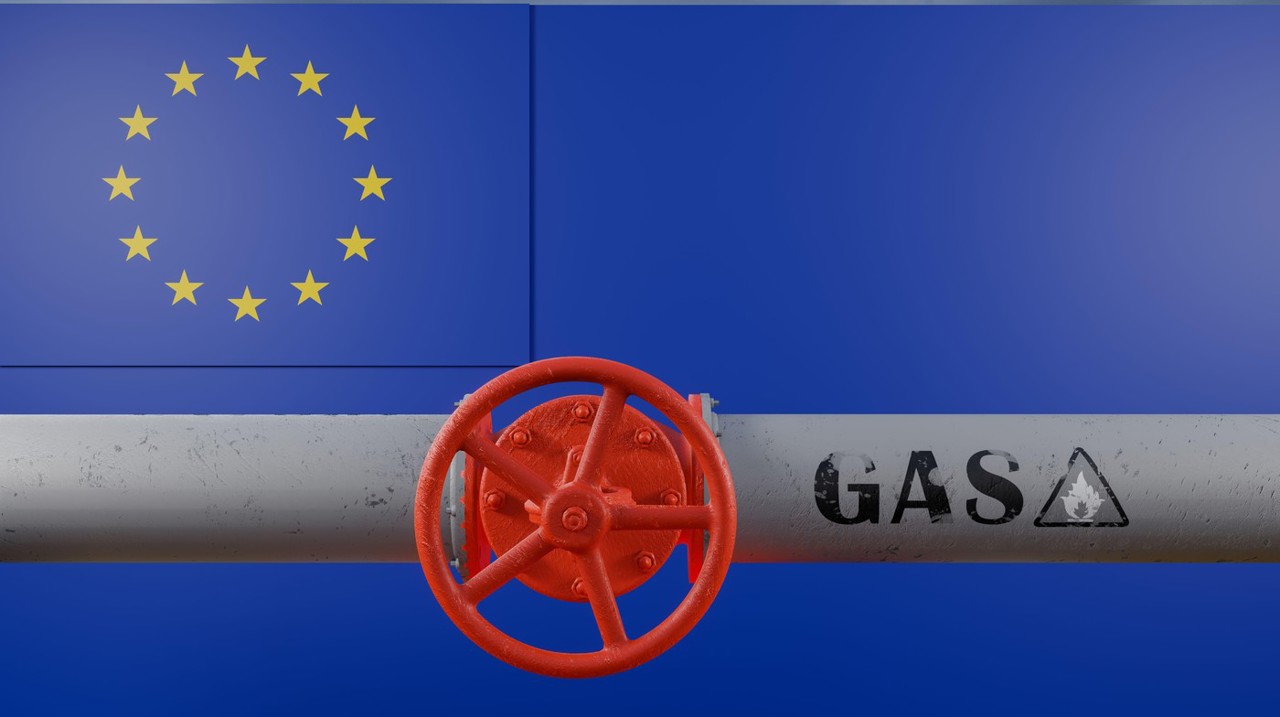
Historic decision in Brussels: The European Union agreed to completely phase out Russian gas by 2027. The European Council and the European Parliament have reached a consensus on a gradual, legally binding ban on all imports of natural gas—both liquefied and piped—from the Russian Federation.
The European Commission has proposed liquidating imports of natural gas and liquefied natural gas from Russia, a plan that is complex and involves different transition periods, all set to be implemented by November 2027. Instead of sanctions, the European executive has chosen to pursue a legislative proposal that can be adopted by a qualified majority of member states. This approach aims to prevent a veto from Hungary and Slovakia, which are considered close to Moscow and strongly oppose these measures.
European Commission President Ursula von der Leyen stated, “This is the beginning of a new era, the era of Europe’s total energy independence from Russia. Today, Russian gas imports, whether in liquefied form or via pipelines, have fallen from 45% at the beginning of the war to 13%. Coal imports have dropped from 51% at the start of the war to zero today, and crude oil imports have decreased from 26% to 2%.”
Countries like Slovakia and Hungary face potential energy shortages due to their geographical locations and may challenge the decision to ban oil and gas imports from Russia in the European Court of Justice. France, Belgium, and Spain are also grappling with the dilemma of whether to sacrifice profitable business dealings with Russia. With this decision, Brussels aims to reduce Russia's income from gas exports; European imports of Russian gas have already been cut by almost half. Kremlin spokesman Dmitry Peskov argues that this measure will diminish the European Union's competitiveness.