Energy and agriculture on the same field: Ministry launches guide on agrivoltaic systems
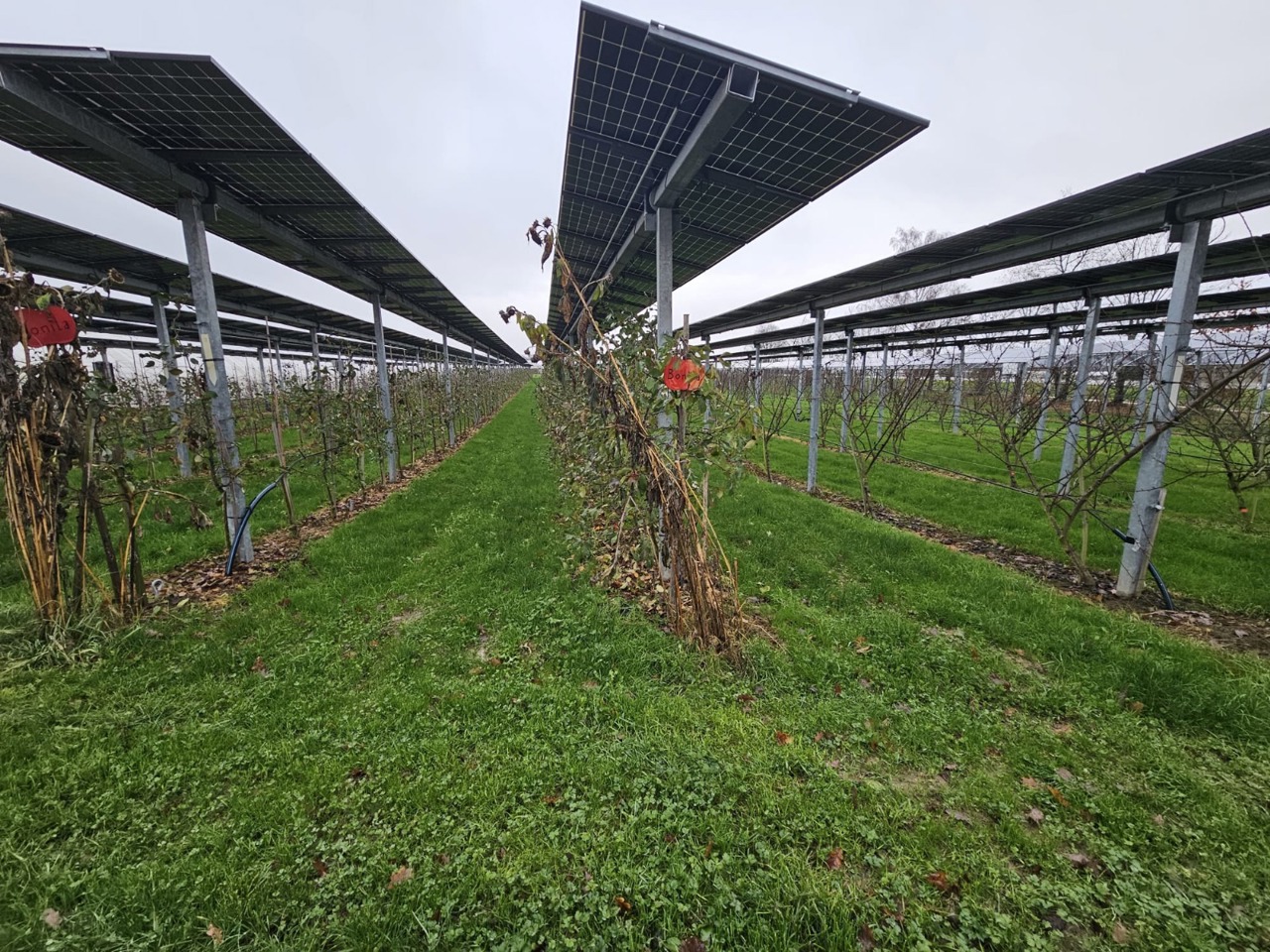
Farmers in the Republic of Moldova now have the opportunity to combine crop cultivation with renewable energy production. The Ministry of Energy has released the first guide focused on agrivoltaic systems in the country, titled "Cultivating the sun and the earth: unlocking the double potential of Moldova." This guide explains how to install solar panels directly on agricultural land without altering its designated use.
How the guide helps farmers
The document provides farmers with a clear introduction to the fundamentals of agrivoltaic systems, along with practical recommendations for their design and operation. The ministry states that the guide includes “information on the conceptualization of an agrivoltaic system, focusing on three critical characteristics to consider: panel height, panel orientation and inclination, and row spacing.”
Farmers also receive specific recommendations on which crops are suitable for this system, depending on their light and humidity requirements.
Additionally, the document outlines the legal framework for organization, the available support schemes, and provides “economic and financial estimates of the business,” so farmers can evaluate the profitability of investing in an agrivoltaic system.
Crop protection and climate resilience
Beyond economic benefits, agrivoltaic systems can enhance crop resilience. The Ministry notes that “systems installed above agricultural plots can create a favorable microclimate beneath the panels,” helping to reduce water evaporation and protect crops. "By minimizing evaporation, an improved water balance is achieved, leading to reduced water consumption,” and the panels can shield plants "from heavy rain or hail, while also protecting them from excessive sunlight.”
This means farmers can utilize the same land area for both crop cultivation and energy generation, which promotes efficiency and sustainability.
The Ministry of Energy highlights that the Republic of Moldova has significant potential in this area, as "approximately 75% of Moldova's territory is dedicated to agricultural purposes," allowing for the installation of solar panels without altering the land's usage. The Ministry encourages farmers to consider the agrivoltaic model as a means of lowering costs, increasing income, and enhancing energy security.
“This innovative business model could help meet part of the energy needs of producers, while also contributing to increased income in the sector and to the country's energy independence and security,”* states the Ministry.
The document was developed with the support of the German Energy Agency and the German Federal Ministry for Economic Affairs and Energy.