Energy flows between Romania, Moldova, and Ukraine remain intact despite Russian attacks
A production plant in the Republic of Moldova was disconnected, following Russia's drone and missile attacks on Ukrainian energy infrastructure on December 5-6. In response, Romania began exporting over 1,300 MW of electricity to Chisinau, which supports both Moldova's internal energy needs and its subsequent exports to Ukraine, where nearly 1,000 MW is received. This energy flow is facilitated by the high production from Romania's hydropower plants and wind farms. The structure of cross-border energy exchanges remains unchanged: the Republic of Moldova imports electricity from Romania and redirects most of it to Ukraine, as reported by Profit.ro.
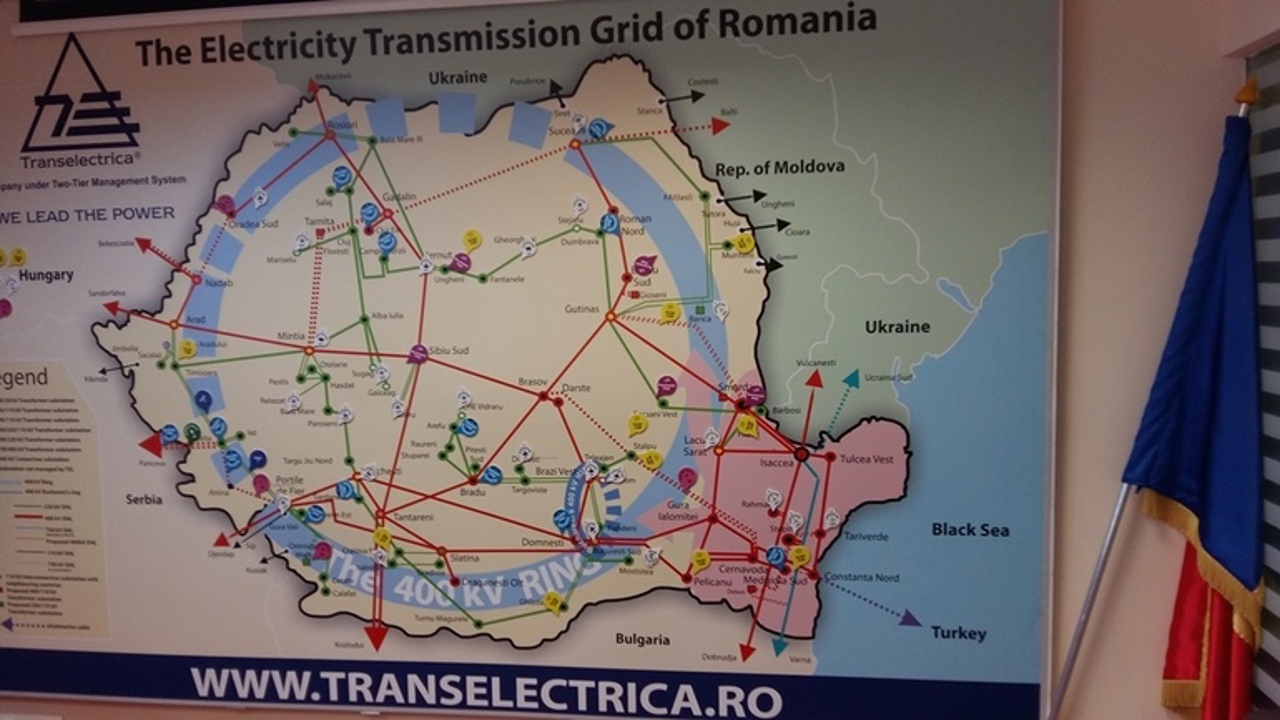
On Sunday at 08:30, Romania exported over 1,300 MW of electricity to the Republic of Moldova. This was primarily facilitated through the 400 kV Isaccea-Vulcănești overhead power line, as well as the 110 kV Huși-Cioara, Stânca-Costești, and Țuțora-Ungheni lines, according to data from the Romanian transmission and system operator, Transelectrica.
Romania's export capacity remained strong, supported by high production levels from hydroelectric power plants and wind farms. Favorable weather conditions allowed these two sources to contribute over 50% of the national total output, amounting to approximately 3,900 MW.
Simultaneously, according to data from Moldelectrica, the Republic of Moldova exported 998 MW of energy to Ukraine. The structure of cross-border trade among the three countries has remained consistent since Saturday, with Chisinau importing electricity from Romania and subsequently exporting much of it to Ukraine, as reported by Profit.ro.