ANSA destroys more than 11,000 tea sachets after detecting pesticide residues

A batch of imported tea was destroyed by inspectors from the National Food Safety Agency (ANSA). Laboratory tests revealed pesticide contamination in 11,016 tea bags, each weighing 34 grams, totalling over 374 kilograms.
ANSA has confirmed that the maximum allowed limit for the pesticide Chlorpyrifos has been exceeded, posing health risks to consumers.
According to specialists, ANSA inspectors collected samples at the Leușeni border inspection post.
The product did not enter the market; the suspect batch was detained immediately, sealed, and subsequently destroyed under ANSA's supervision.
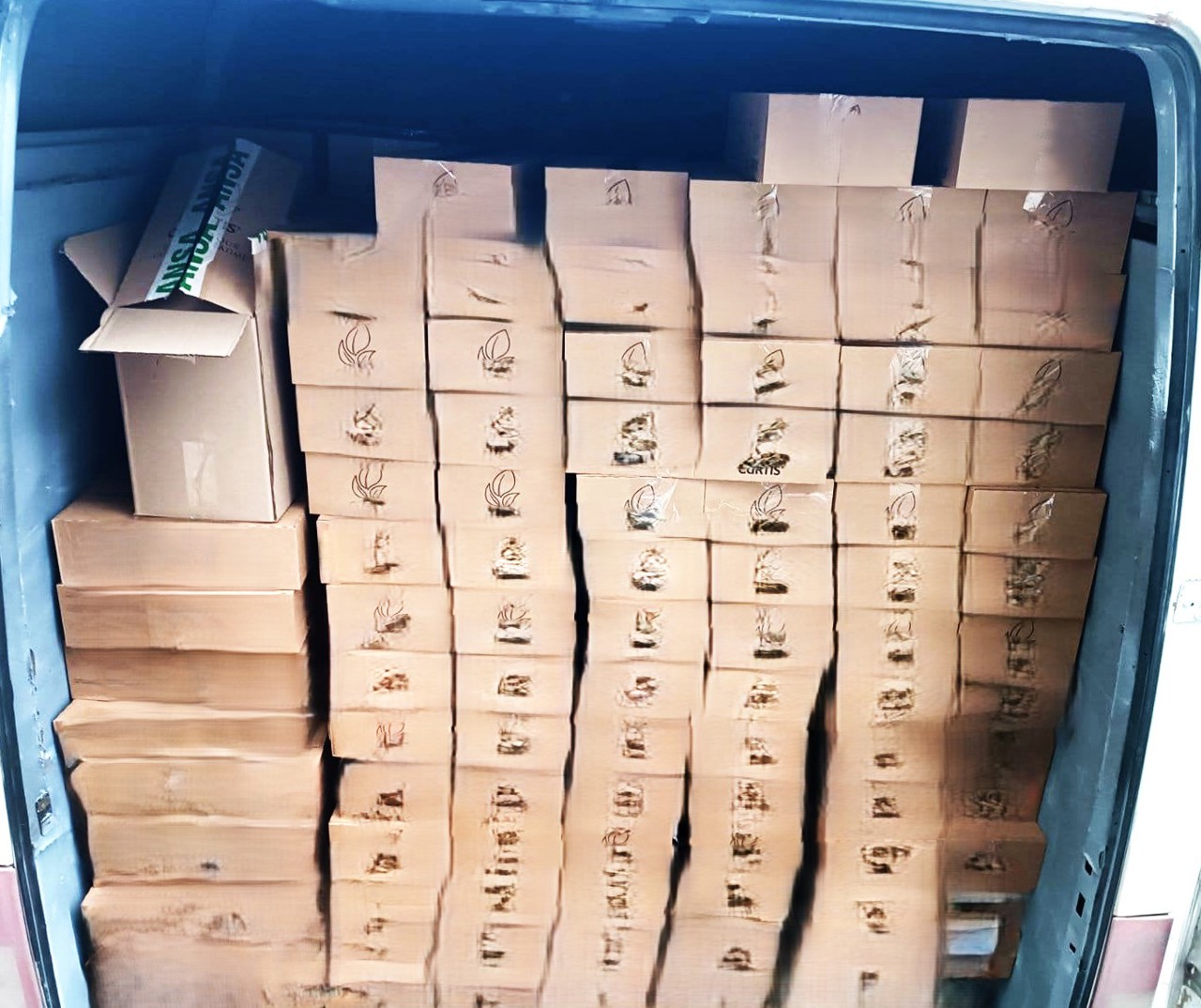
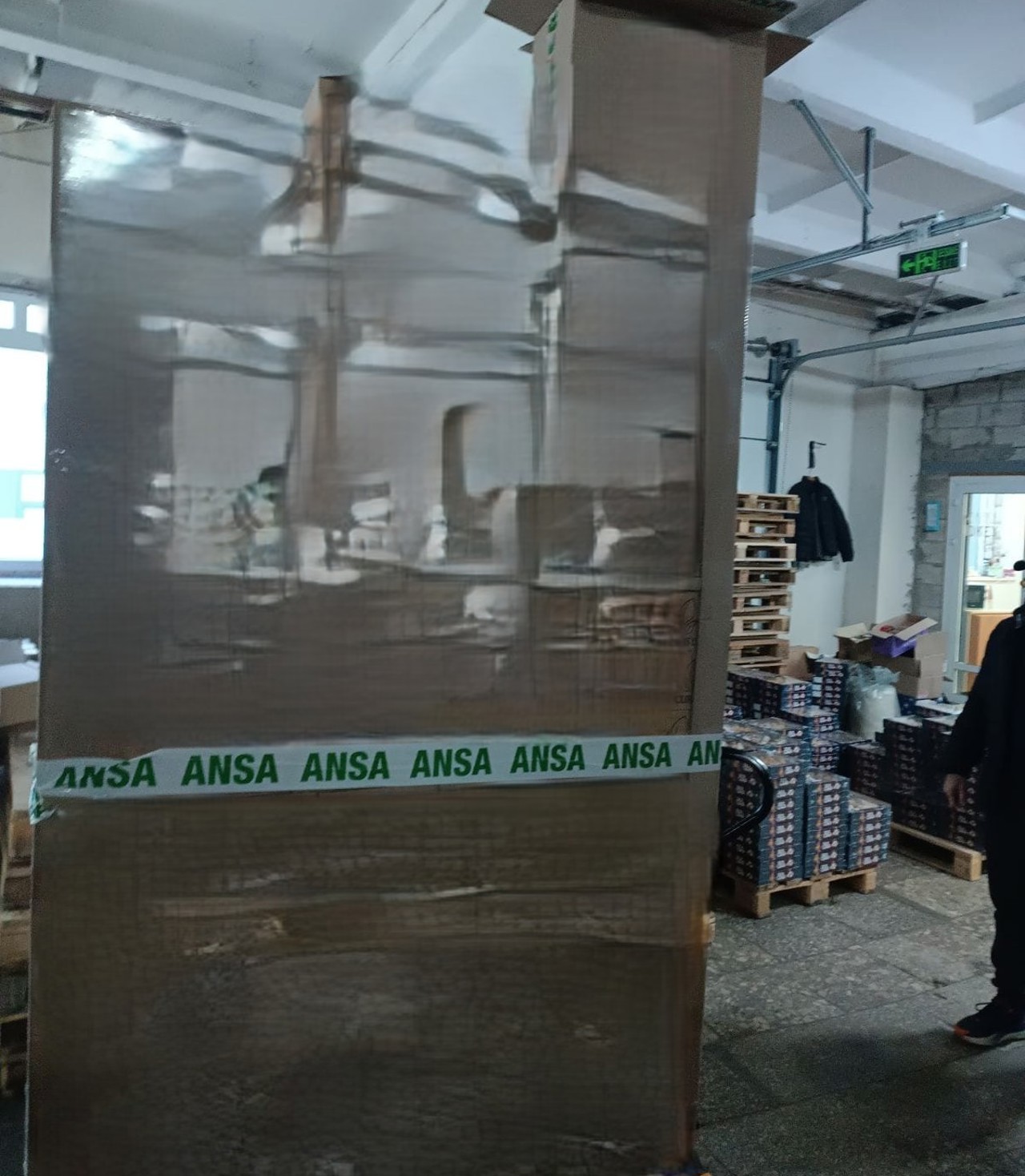
On November 24, the National Agency for Food Safety (ANSA) destroyed a batch of 1,120 kg of black tea after detecting high levels of pesticide residues, specifically dinotefuran. Three days later, on November 27, ANSA detained a batch of 4,680 pieces of chocolate that had exceeded its shelf life at the border.
Throughout November, ANSA employees also destroyed 15 tons of fresh dill and parsley shortly after it was imported into the Republic of Moldova. Laboratory tests revealed that propiconazole levels exceeded the maximum permitted limit, posing a risk to human health.
Additionally, on November 19, the agency banned two tons of potato starch containing a genetically modified organism (GMO) — specifically, the promoter CaMV 35S.
During the same month, five tons of candies deemed dangerous for consumption were stopped at the border after checks detected titanium dioxide, a food additive banned in the Republic of Moldova.
On December 1, ANSA detained a batch of 5,000 kg of palm oil after analyses showed that the levels of a contaminant known as 3-monochloropropanediol (3-MCPD) and its esters, which are harmful to health, exceeded legal limits.
In total, over 28 tons of dangerous products were banned in the previous month.
The Director of ANSA, Radu Musteața, stated on Moldova 1 that consumer health is the top priority. He noted that while cases of non-compliant products reaching store shelves despite border controls are rare, when they do occur, they can cost economic operators tens of thousands of lei and lead to lawsuits.
At the border, economic operators must submit a declaration under their own responsibility, ensuring that they will not sell goods until their safety is confirmed by laboratory analysis. If non-compliance is established after products have been placed on the market, a recall is initiated.
"Non-compliant goods are stopped in warehouses and destroyed," emphasized Radu Musteața, noting that fines can reach 75,000 lei. In cases of repeated violations, the right to import may be suspended.