Leah Kieff: Moldova faces historic window to achieve Transnistrian reintegration
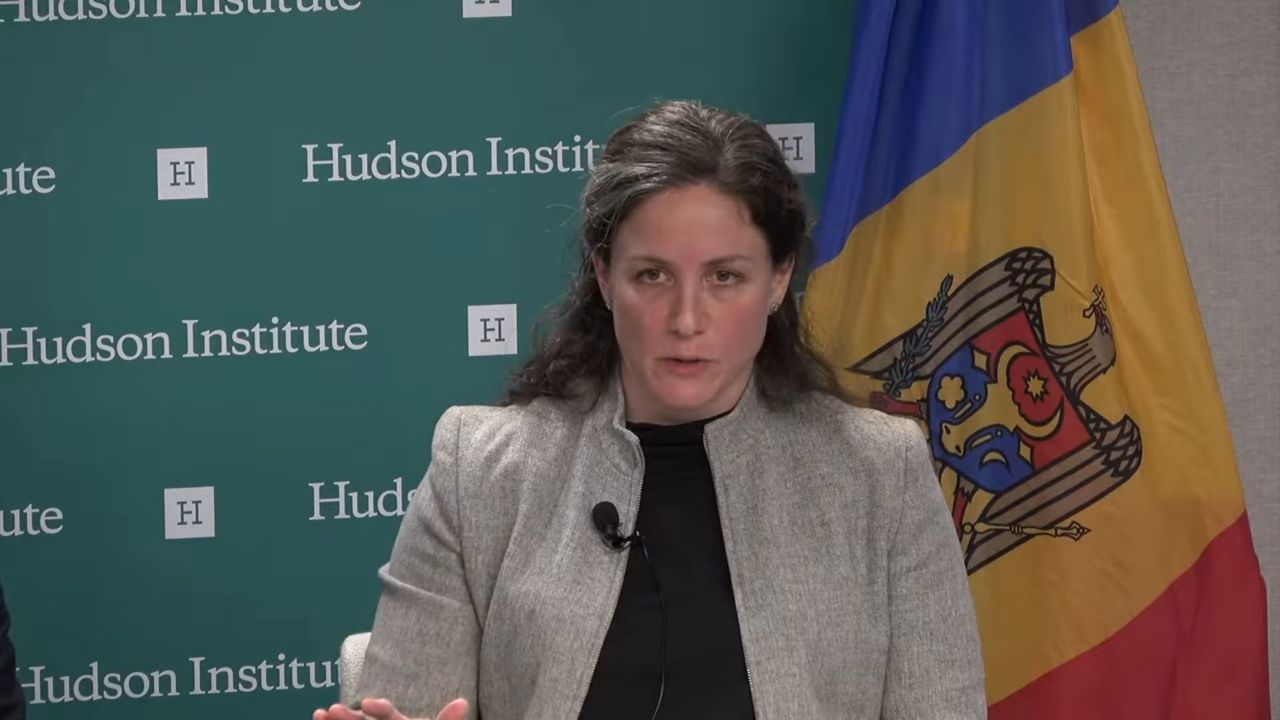
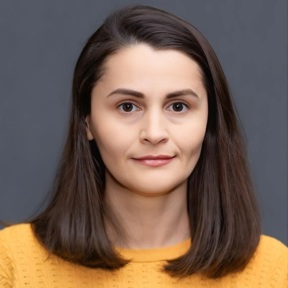
The Republic of Moldova is facing a historic opportunity to make real progress in the reintegration of the Transnistrian region, as Russia gradually loses its economic and political influence over the area. This was stated by Leah Kieff, an American expert and senior associate at the Center for Strategic and International Studies (CSIS), during a conference at the Hudson Institute in Washington. According to her, the changes observed in recent months have created an unprecedented strategic framework that Chisinau and its Western partners should quickly and responsibly take advantage of.
“For the first time in 30 years, there is light. The next three years are decisive.”
Leah Kieff explained that the cessation of gas supplies from Russia has triggered a fundamental transformation in the Transnistrian region, accelerating its economic reorientation towards the European market.
“After Russia cut off gas, the region was compelled to seek real solutions. Today, approximately 80% of Transnistrian region’s exports go to the European Union. This represents a major structural change. For the first time in three decades, there is hope — a favorable context that must not be squandered,” said Kieff.
She emphasized that this development offers a rare opportunity for the reintegration process to progress.
“The next three years present a historic window. Moldova must receive support to utilize this situation for meaningful steps that are responsible, gradual, and well-aligned with regional security,” Kieff explained.
Russia uses Moldova as a testing ground: “Huge sums for destabilization”
In her analysis, Kieff warned that Moscow continues to use the Republic of Moldova as a “laboratory” for its hybrid tactics.
“Russia has spent an estimated $50 million in 2023, $200 million in 2024, and $400 million in 2025 to destabilize Moldovan politics. This is not just about influencing elections; it involves campaigns that erode trust, increase uncertainty, and discourage investment,” the analyst stated.
Kieff explained that these operations directly impact the state’s internal resources.
“Every dollar spent on destabilization means fewer resources for development, for the people, and for infrastructure. It is a massive effort to drain the country’s internal energy,” concluded Leah Kieff.
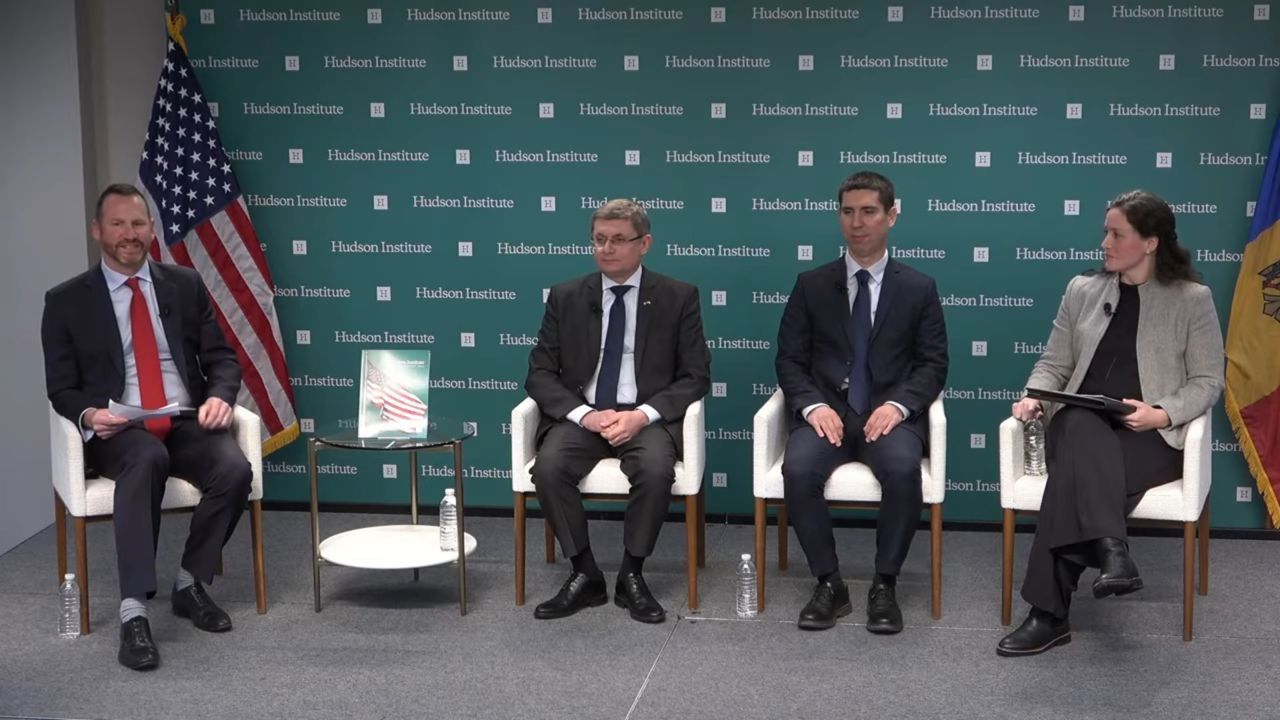
Deputy Prime Minister Mihai Popșoi confirmed the expert's statements, highlighting the region's growing economic dependence on the European market.
"Transnistrian region is already more economically integrated into the EU than the rest of Moldova. The Transnistrian region exports 80% of its goods to the EU market—this is even more than the rest of Moldova. This fact significantly alters the political and economic dynamics," Popșoi stated.
He also noted that "the biggest obstacle remains the Russian military presence," emphasizing the need for a thorough preparation for reintegration, which should include cost assessments and dialogue with local communities.
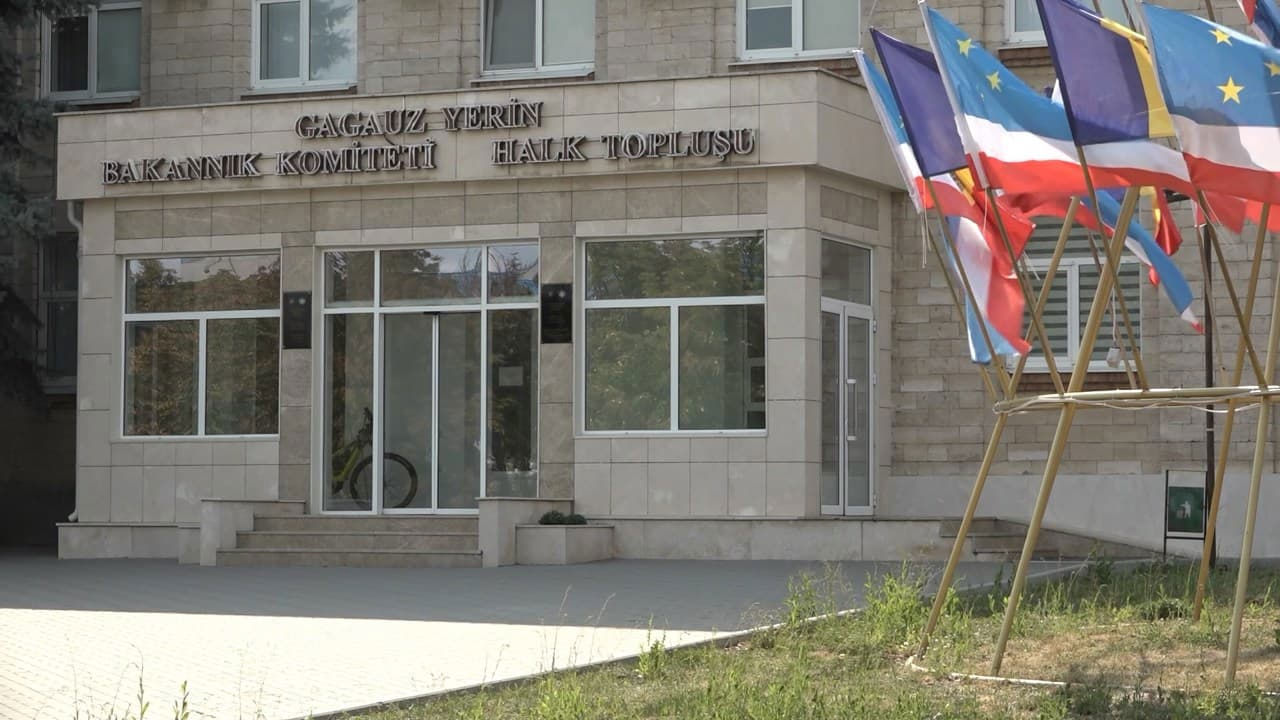
Grosu on Gagauzia: "Identity is respected, but the law applies to everyone"
In a discussion on Gagauz autonomy, Parliament Speaker Igor Grosu noted that Moscow is attempting to exploit the region's political vulnerabilities through illegal funding and external influence.
“We fully respect Gagauz identity—language, culture, and traditions—but the law applies to everyone. Those who accept illegal money, regardless of their ethnicity, must be held accountable by the justice system,” Grosu stated.
He stressed that Gagauz autonomy greatly benefits from investments from European and American sources, and remarked, “It is absurd to say ‘we receive money from the EU, but we want to go to Moscow.’”
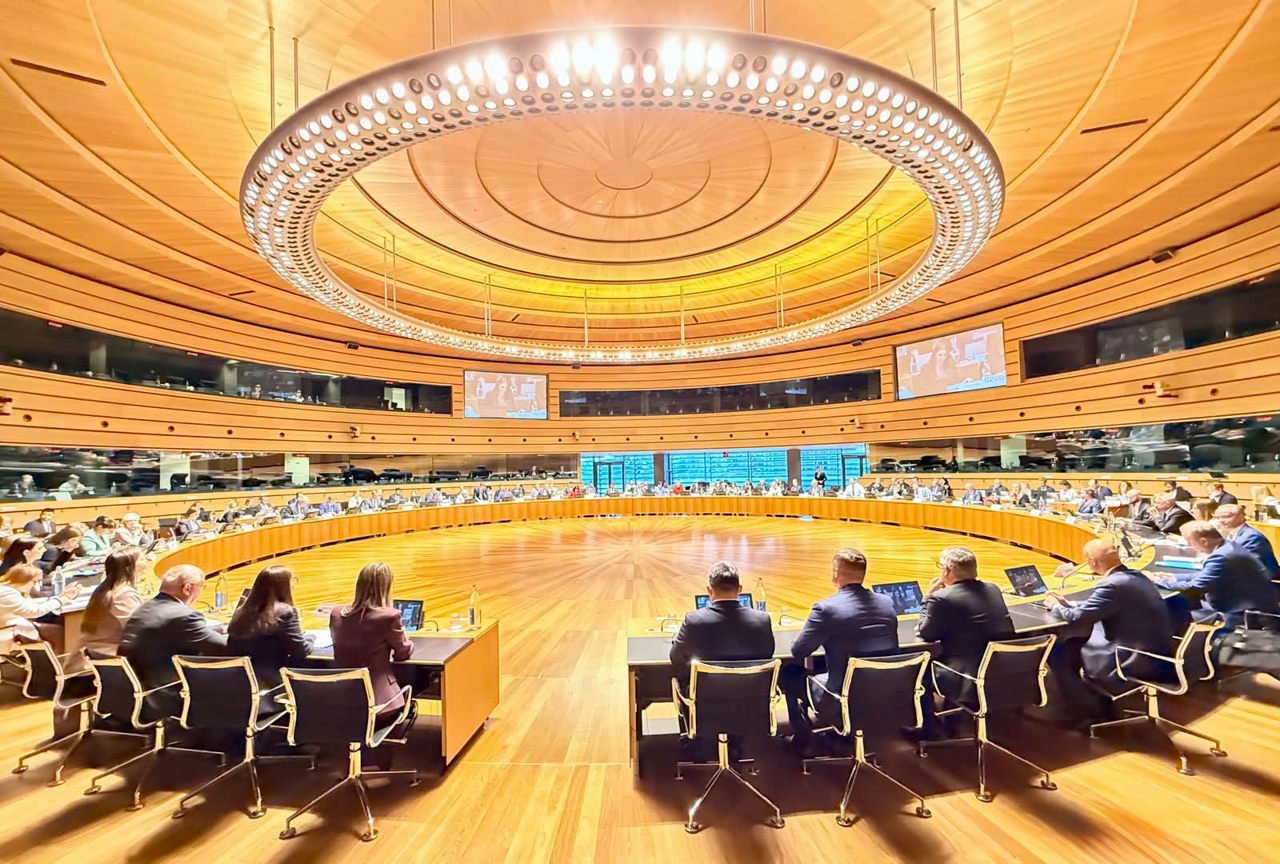
The event was part of the panel discussion titled "The Euro-Atlantic Path of the Republic of Moldova," organized by the Hudson Institute, a well-respected American think tank focused on security policies and strategic analysis. The discussions addressed the impact of Russia's war against Ukraine, hybrid interference in Moldova, and the progress of Moldova's accession to the European Union. Moderated by Luke Coffey, the panel featured American expert Leah Kieff and officials from Chisinau, offering a comprehensive framework for evaluating both the risks and opportunities Moldova faces in strengthening its resilience and pursuing its Euro-Atlantic orientation.