2,000 students show strong digital skills in Moldova’s inaugural test
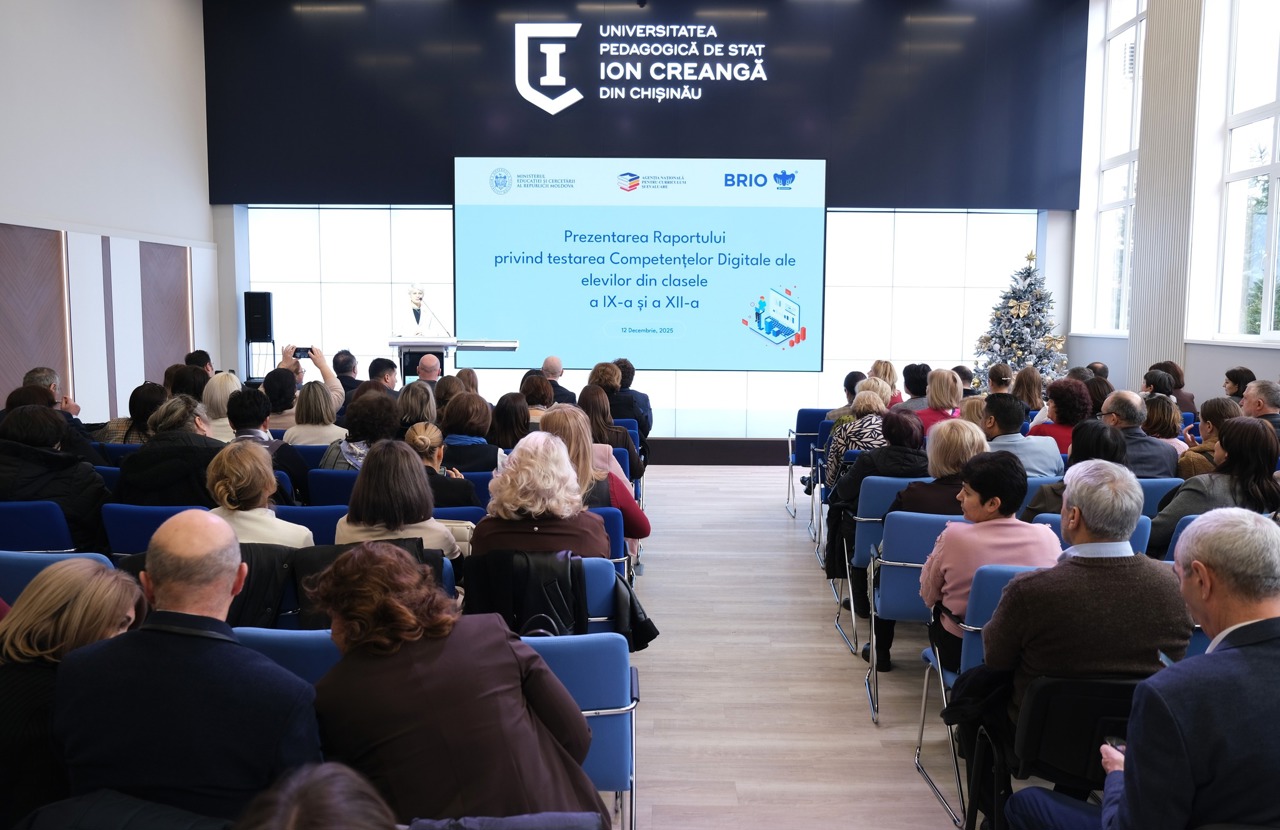
Nearly 2,000 students demonstrated advanced digital competence, according to the results of the inaugural nationwide testing supported by around 3,200 participants in the Republic of Moldova.
This first-of-its-kind assessment, which aimed to measure student digital skills, saw three students achieve the maximum score of 100 points. Overall, 810 students obtained an intermediate level, 210 an elementary level, and only 77 registered no level of competence.
The testing, held on November 26, evaluated skills across the five essential areas of the European Digital Competence Framework (DigComp): information and data literacy, communication and collaboration, digital content creation, digital security, and problem-solving.
This initiative provides young people with an official recognition of their digital literacy level, a skill that industry leaders increasingly prioritize and which is essential for entry into high-growth sectors.
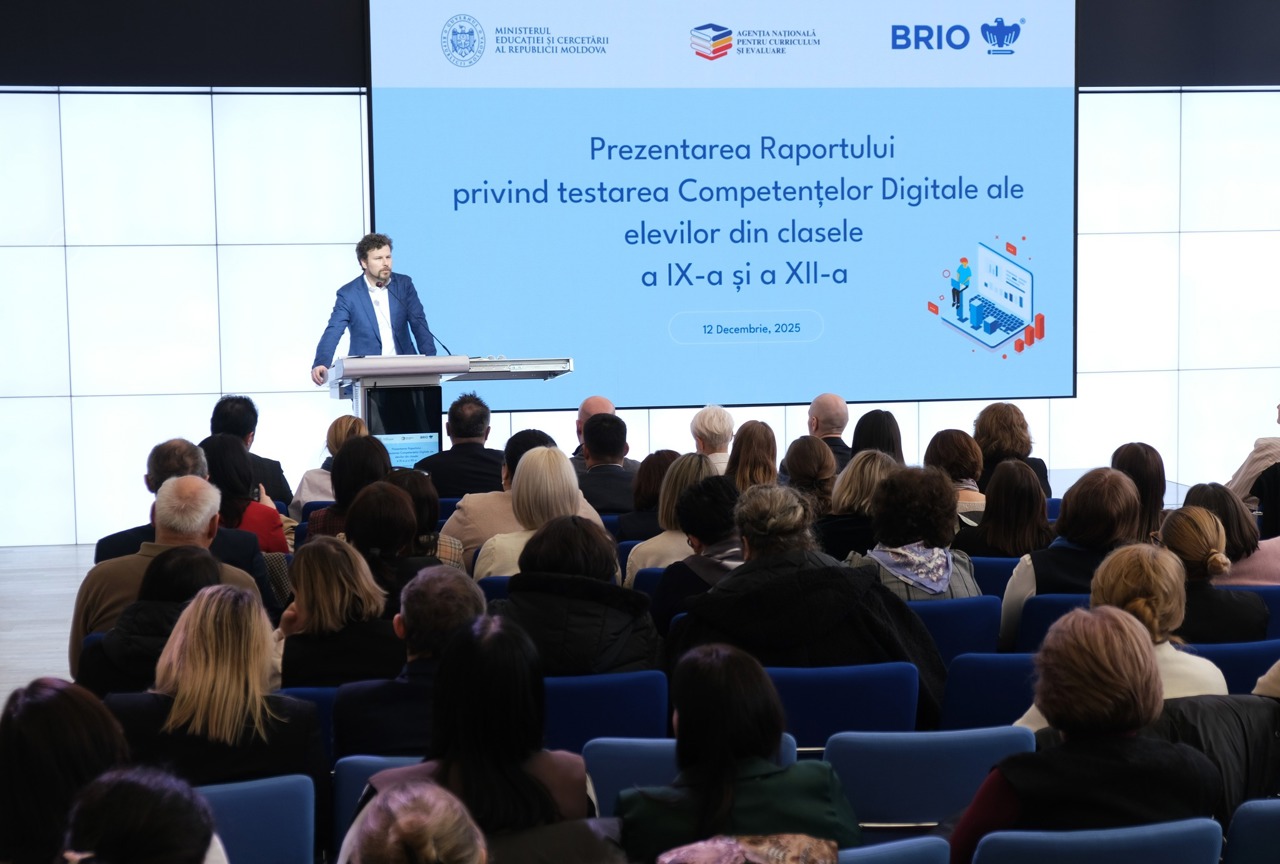
Despite the encouraging results, new teaching methods will be introduced to further develop students' digital skills, declared Minister of Education and Research, Dan Perciun.
“It is a very specific sample—our best students who responded to the challenge and wanted to be evaluated. They wanted to see these qualifications in their diploma,” stated Minister Perciun.
He added that the Ministry is currently focused on a comprehensive curriculum strategy focused on ensuring students acquire essential programming abilities. “Here, the solution is not always a greater number of hours; it may lie in the teaching method and the development of these competencies."
"Another dimension we will have to develop strategies for is the analysis and interpretation of data and information. Even our best students face certain challenges here, and we must reflect on how to approach these subjects in the future.”
The evaluation was coordinated by the Ministry of Education and Research together with the National Agency for Curriculum and Evaluation.
The exercise took place across 74 officially designated school-based testing centers. Of the total participants, nearly 2,200 were 9th-grade students, and another 1,000 were 12th-grade students.
Translation by Iurie Tataru