Trump expands US travel restrictions for 40 nations starting 2026
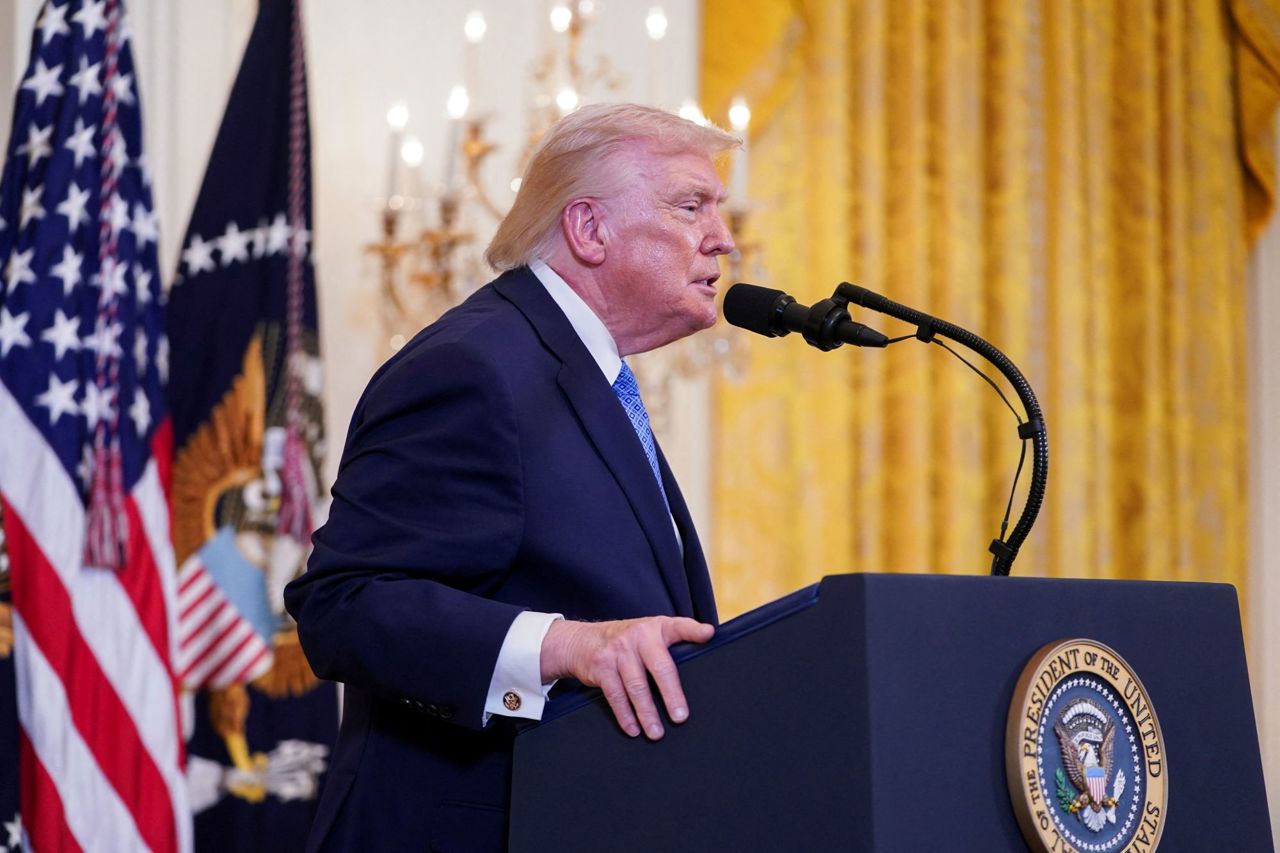
The United States is set to broaden entry restrictions for citizens from nearly 40 countries, citing critical risks to national security and public safety. The measures, outlined in a proclamation signed by President Donald Trump, are scheduled to take effect on January 1, 2026.
The directive authorizes a total or partial suspension of U.S. access for various foreign nationals, impacting both permanent immigrant visas and temporary travel. The White House stated the decision follows exhaustive assessments by the State Department, the Department of Homeland Security, and the Intelligence Community.
A primary concern involves the inability of targeted nations to provide "reliable identity data." In many cases, the administration argues that official registries are a patchwork of missing birth certificates and easily altered paper IDs, preventing U.S. officials from conducting reliable criminal background checks or biometric verifications.
Additional factors driving the expansion include high levels of institutional corruption, a lack of government control over lawless regions, and the active presence of terrorist organizations. The U.S. also highlighted high rates of "visa overstays"—travelers who remain in the country illegally after their authorized period ends.
The administration specifically flagged "citizenship by investment" programs, often called "Golden Passports." Officials view these as security loopholes that allow individuals to bypass travel restrictions by purchasing a second nationality.
Countries under the new restrictions
The proclamation maintains a total ban on citizens from Afghanistan, Iran, Libya, Somalia, Sudan, and Yemen. New total restrictions have been added for Syria, Mali, Niger, and Burkina Faso.
Furthermore, partial restrictions now apply to over 15 other nations, including Nigeria, Senegal, Angola, Tanzania, and Zimbabwe. For these countries, the U.S. will cap quotas for student and tourist visas and may significantly shorten the duration of stay allowed for other visa types.
The document also suspends entry for individuals using travel documents issued by the Palestinian Authority, citing the impossibility of conducting adequate security screenings in the current regional climate.
These restrictions do not apply to U.S. permanent residents (Green Card holders), diplomats, athletes participating in major international events, or refugees already admitted to the country. Case-by-case waivers may be granted if the entry is deemed in the "national interest," and the list of countries will be reviewed every six months.
The White House emphasized that these measures target "institutional deficiencies" in foreign vetting systems rather than immigration in general, aiming to protect the American public from untraceable security threats.
Translation by Iurie Tataru