Transnistria declares 30-day economic emergency over gas shortage
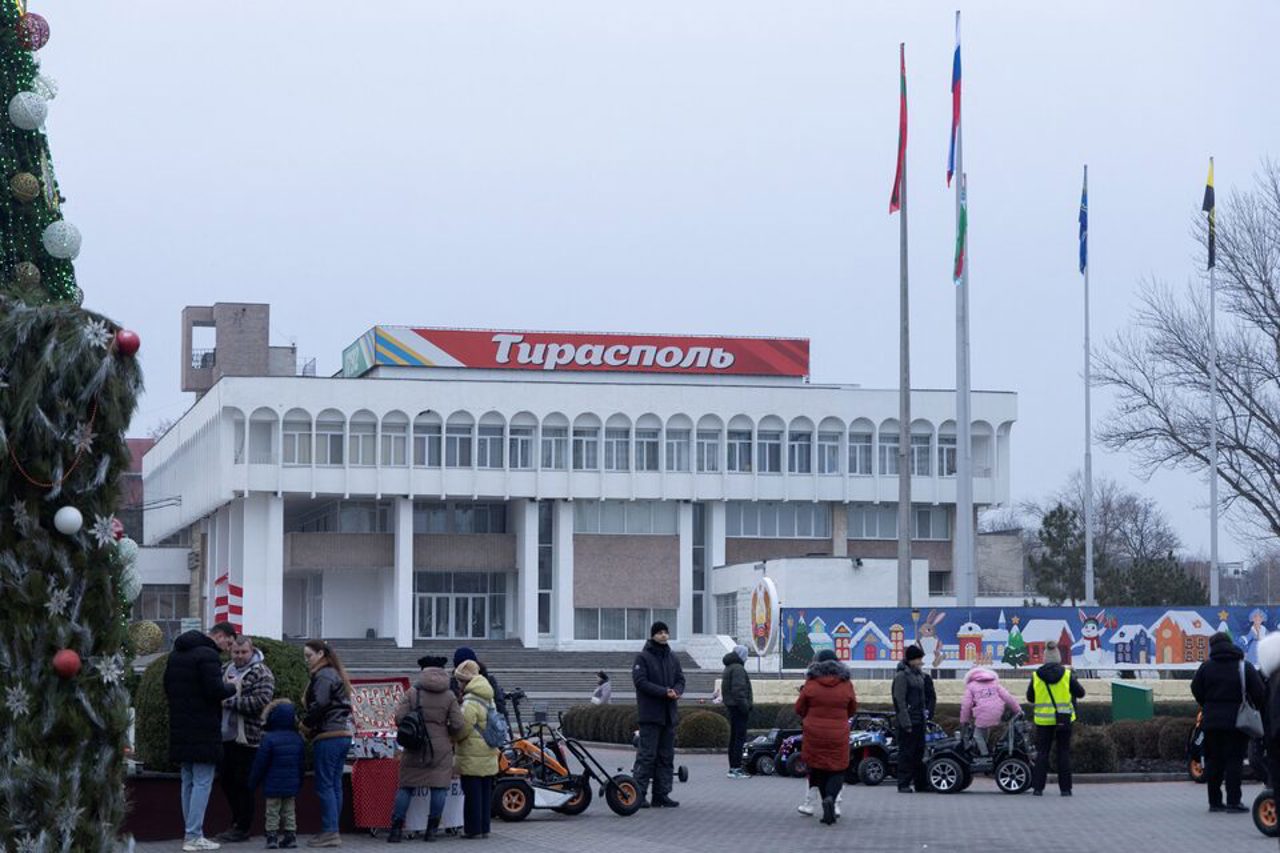
The breakaway Transnistrian region has entered a 30-day economic state of emergency starting December 18.
Over the next month, the unrecognized administration will slash gas deliveries to heavy industry plants and manufacturing hubs, prioritizing residential heating and hot water for the population.
The Supreme Soviet in Tiraspol—the legislature of the pro-Russian separatist territory—approved the emergency decree in an extraordinary session. The document, signed by separatist leader Vadim Krasnoselski, formalizes a drastic shift in the region's energy management.
Officials in Tiraspol justify the move by citing an emptying gas reservoir and interrupted delivery pipelines. They claim these "persistent supply difficulties" stem from payment delays involving intermediaries operating within the European Union. According to the separatist authorities, the sluggish pace of financial settlements poses major risks to the region’s stability.
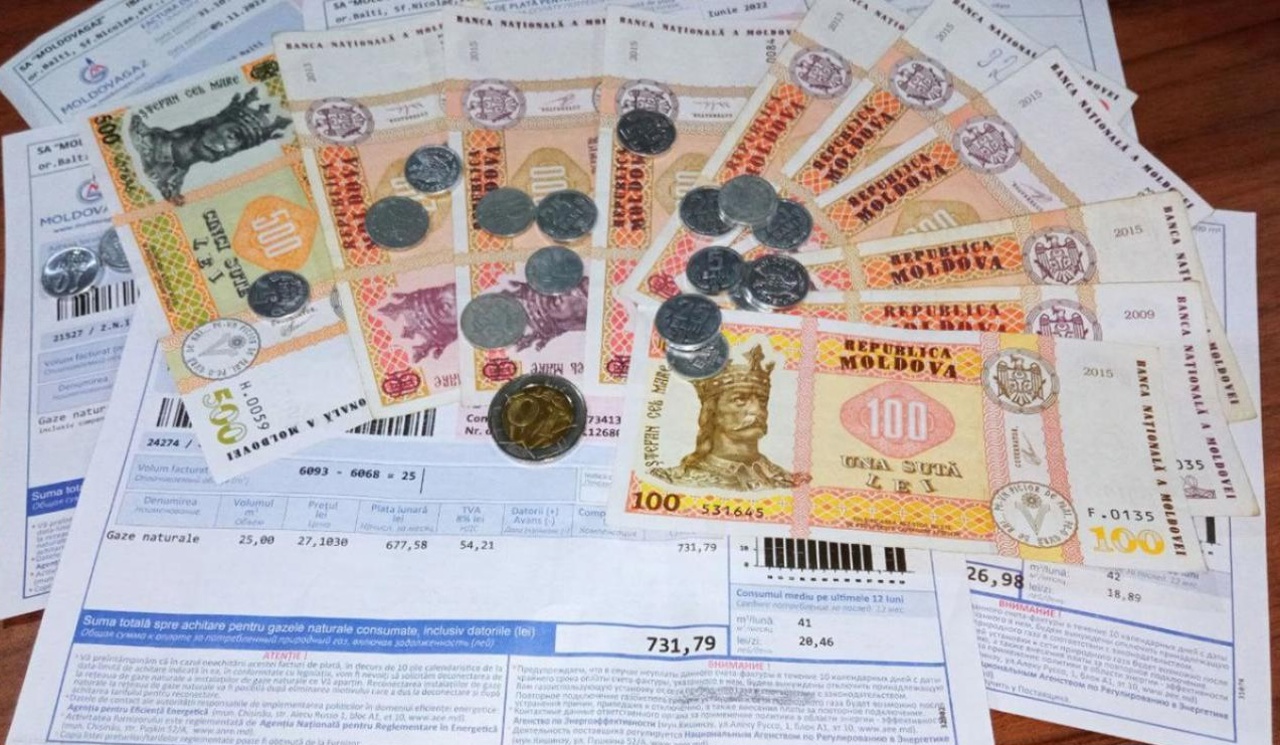
Currently, gas for Transnistria is supplied by a Hungarian company to the Moldovan border, where it is handled by the national operator, Moldovagaz. The gas is reportedly paid for by Russia through an opaque network of intermediaries.
The emergency decree signed by Krasnoselski introduces strict rationing protocols:
Building emergency fuel reserves.
Prioritizing budget spending exclusively for healthcare and public safety.
Implementing mandatory quotas to mitigate the impact of the gas deficit.
The Tiraspol executive has been ordered to draft an immediate action plan to prevent social collapse, while finance officials now have the authority to freeze all "non-essential" government spending.
Chisinau: The issue is technical, not political
Moldova’s Deputy Prime Minister for Reintegration, Valeriu Chiveri, clarified on December 17 that the crisis in the Transnistrian region is not driven by political tensions. Instead, he described the situation as a failure of an "unsustainable payment scheme" for natural gas.
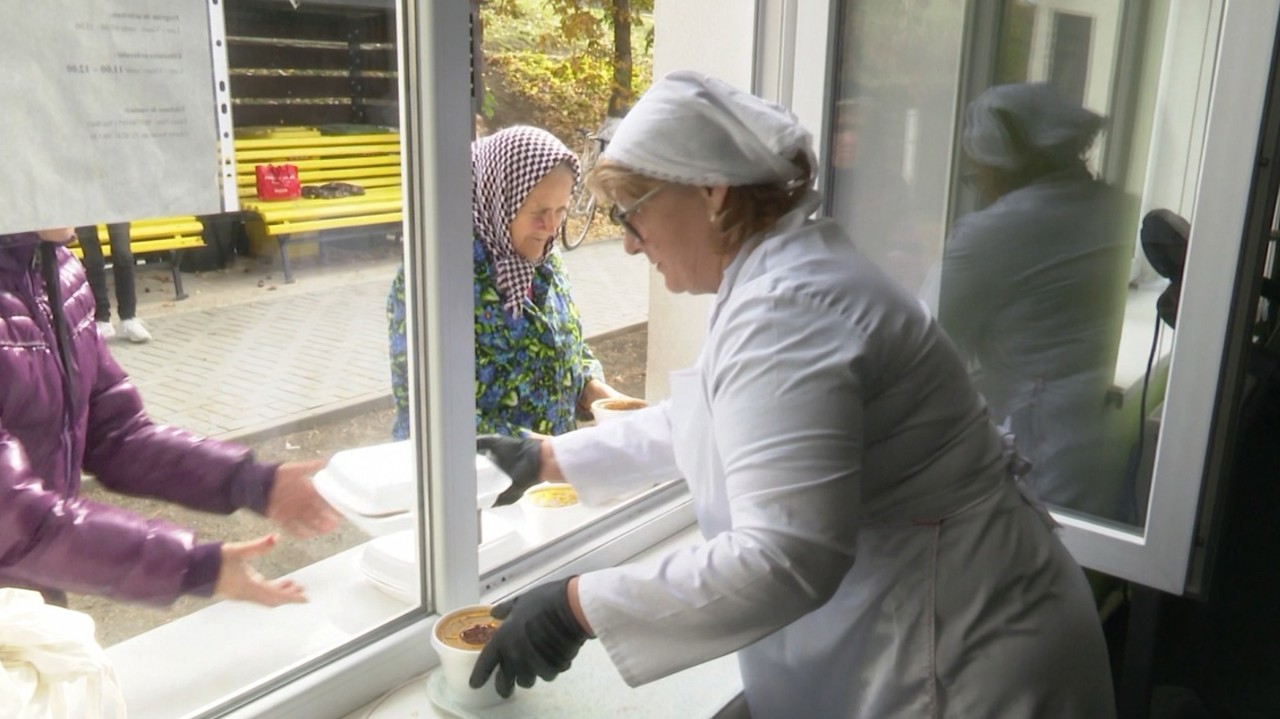
This is not the first time the region has resorted to emergency measures. Similar regimes were active between October 2022 and April 2023, and again in late 2024. In recent months, the energy crunch has already manifested in scheduled power cuts, the suspension of hot water services, and the total shutdown of several major industrial plants.
Translation by Iurie Tataru