Moldova 2025: Economic growth masks deep structural fragility

In 2025, Moldova's social policy was defined by rising incomes and increased public investment, set against the backdrop of unresolved structural flaws. While pensions and salaries saw double-digit growth, many citizens faced high living costs and unstable employment.
The state intervened aggressively through social measures and health investments. However, the labor market and pension systems remained under significant pressure as the country navigated its path toward European integration.
Labor market: The gap between statistics and reality
The year began with a stark contrast. In January, the crisis at Moldova’s State Railway (CFM) exposed the severity of unpaid labor, with hundreds of employees working for months without pay in unheated facilities.
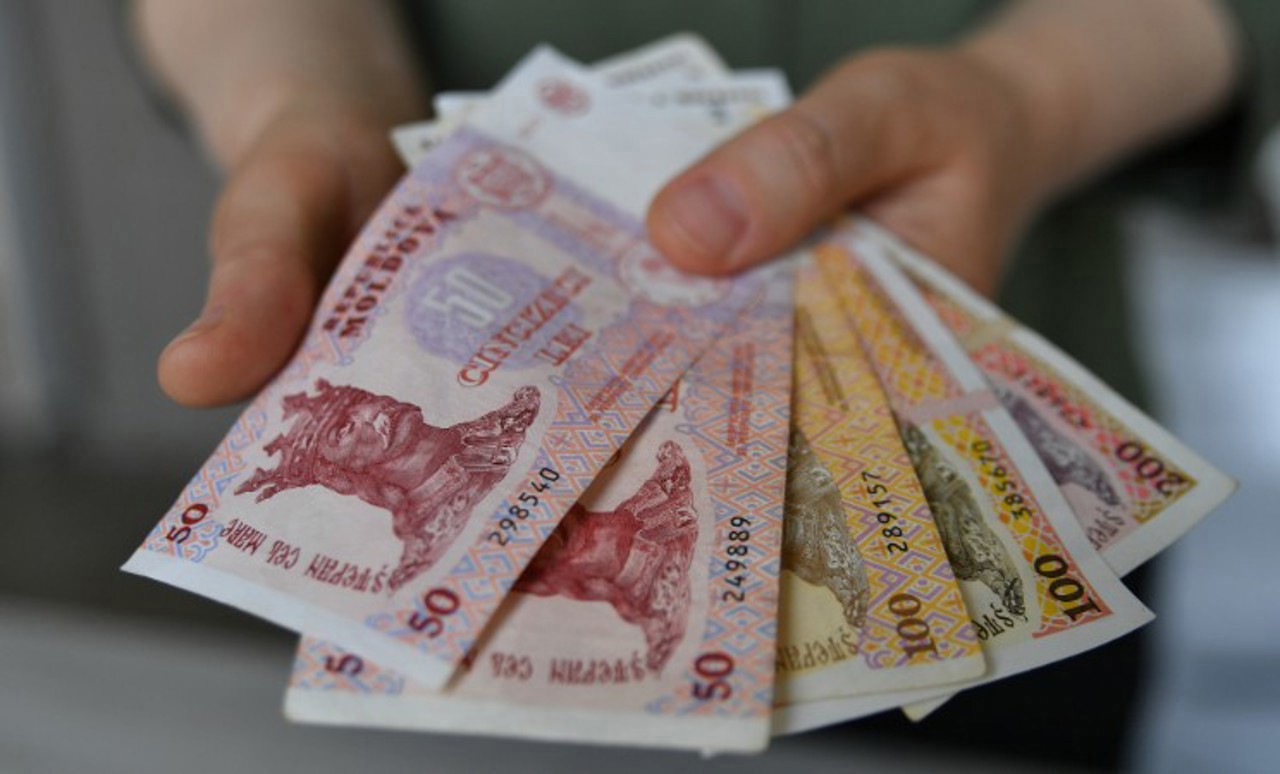
To counter this, the government raised the minimum wage to €283 (approx. 5,500 MDL), an 87% increase since 2021. Officials framed this as a "responsible commitment" to raising living standards across the board.
However, unions are already pushing for a hike to €309 (6,000 MDL). They argue the current floor fails to cover the basic cost of living for an active family, fueling "in-work poverty" despite official growth.
The shadow economy and the brain drain
Economist Veaceslav Ioniță warned that if Moldova aims for EU membership, the minimum wage must reach 50% of the average salary. Currently, the nation remains far from this threshold.
Data from spring 2025 confirmed this fragility. Out of 2.4 million working-age citizens, only 630,000 are officially employed. Nearly 40% of the workforce lives abroad, while sectors like agriculture and construction rely heavily on undeclared labor.
Conversely, one in five active employees now earns over €1,000 per month. This growth is concentrated in the IT and construction sectors, with the national average salary climbing above €825 (16,000 MDL).
Pensions and social support: Aid under political scrutiny
Social spending was a focal point of 2025. Easter aid for 230,000 families sparked controversy, with the opposition labeling the payments "electoral handouts" ahead of upcoming polls.
The ruling Party of Action and Solidarity (PAS) defended the measures. They highlighted the rise in birth allowances to €1,082 (21,000 MDL) and the new monthly €51 (1,000 MDL) payment for children under two.
The 2025 Social Security Budget reached €2.4 billion (46.51 billion MDL), a 9% increase. Average pensions doubled compared to 2021 levels, reaching roughly €216 (4,200 MDL) following a 10% indexation in April.
Education: Consolidation vs. demographic decline
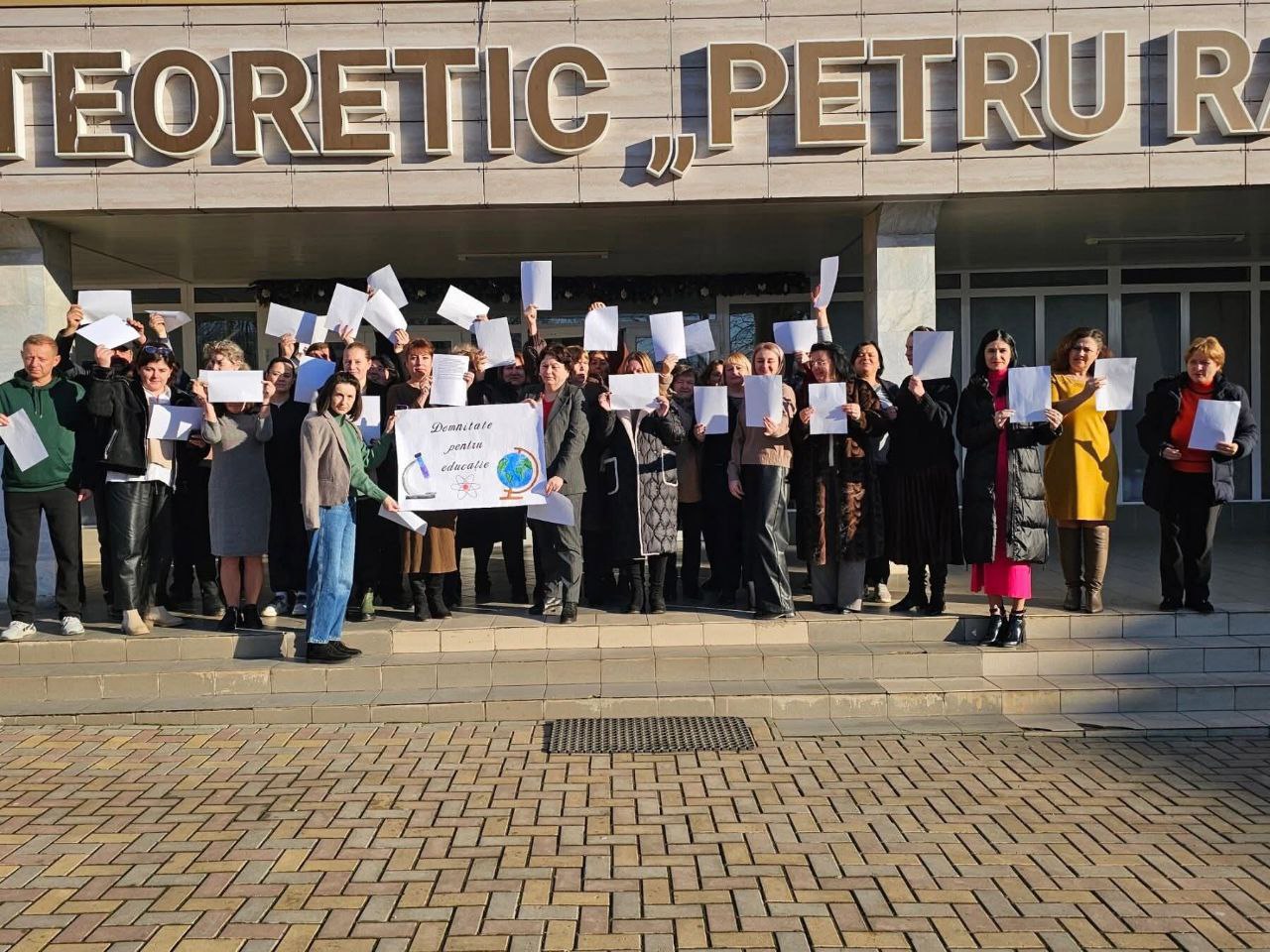
The education sector faced a chronic teacher shortage and a shrinking student population. In Northern Moldova, some schools operated with only four students or single-pupil classrooms.
Education Minister Dan Perciun advocated for merging smaller institutions to ensure quality. However, critics warn that closing village schools severs the link between the state and rural communities.
The system entered the 2025–2026 academic year with over 1,500 vacancies. Teachers continue to demand higher pay, citing burnout and a cost-of-living crisis that outpaces current salary adjustments.
Healthcare: Strategic investments and decentralization
Healthcare shifted from crisis management to gradual reconstruction. A key milestone was the €2.3 million (45 million MDL) equipment upgrade for 28 hospitals, funded by the Council of Europe Development Bank.
The "Growth Plan for Moldova" now includes the construction of regional hospitals in Bălți and Cahul. While officials focus on infrastructure, experts note that bureaucratic readiness remains the primary hurdle.
Patients saw immediate benefits from the decentralization of oncology services. Chemotherapy is now available in several district hospitals, reducing the need for costly travel to the capital, Chișinău.

Housing: The high cost of credit
In 2025, credit became a social necessity rather than a financial choice. Despite the National Bank of Moldova raising interest rates to curb inflation, mortgage lending hit record highs.
The total value of mortgages reached €603 million (11.7 billion MDL). Every fourth home in Moldova is now purchased through credit, reflecting skyrocketing property prices rather than improved purchasing power.
Economists warn of an "over-indebtedness risk." As housing becomes increasingly unaffordable, the dream of homeownership remains tied to high-interest loans in an unstable economic climate.
Translation by Iurie Tataru