Veaceslav Ioniță: Economic growth on paper, in reality - fragility. Why 2025 is not the year of the recovery of the Moldovan economy?

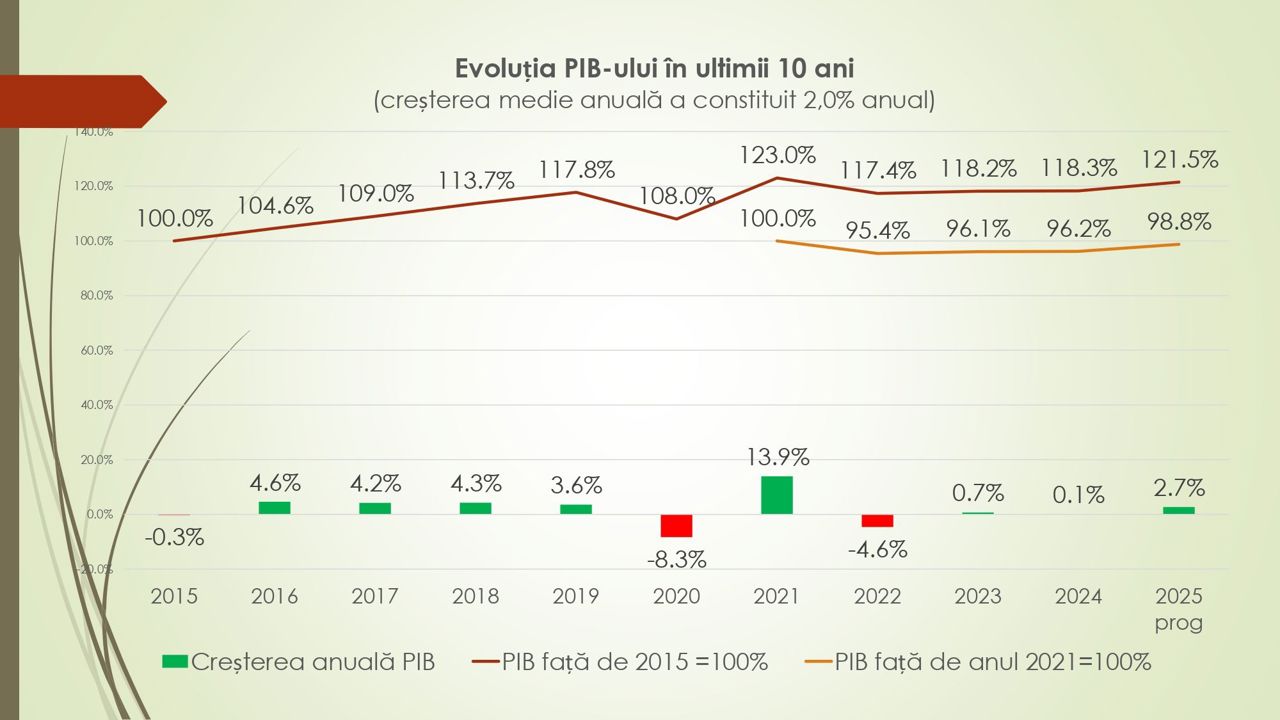
The economy of the Republic of Moldova is expected to grow by 2.7% in 2025, following a year of stagnation. However, this growth does not indicate a strong recovery; instead, it represents a slow and fragile rebound that relies heavily on agriculture, climate conditions, and external factors. This analysis was provided by economist Veaceslav Ioniță, who examined the key highlights of the economic situation in 2025.
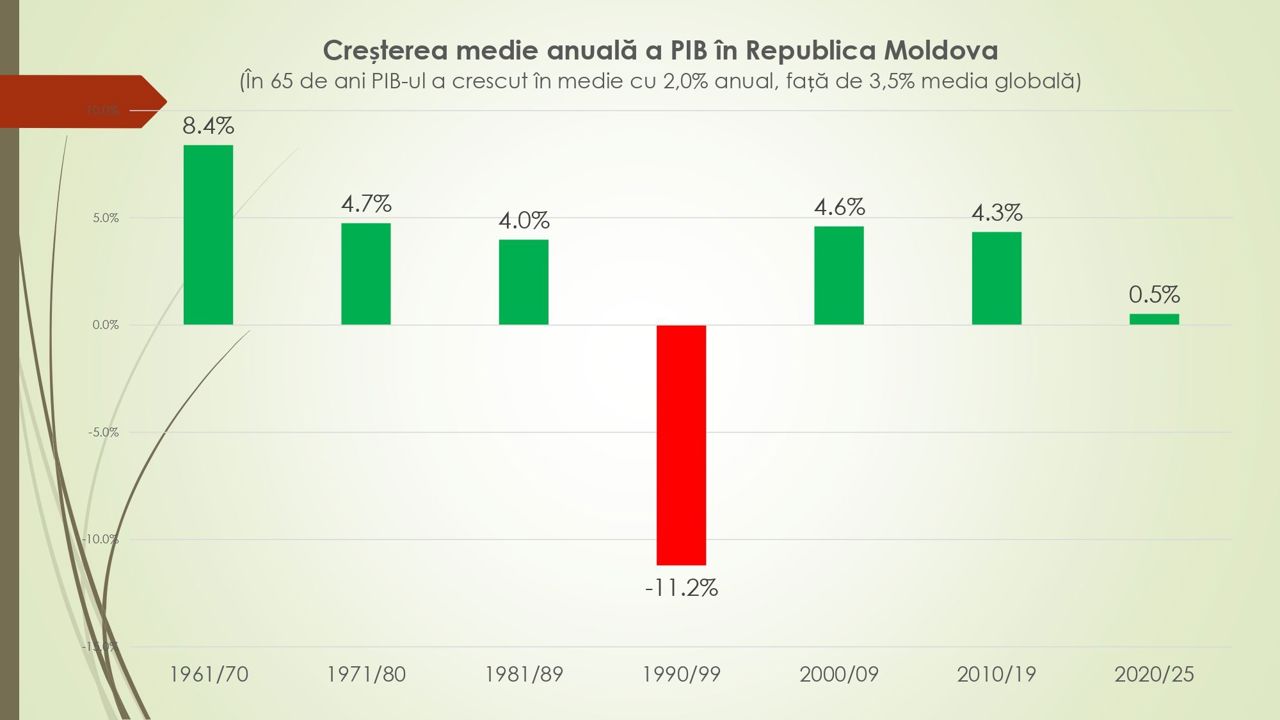
"The figure of 2.7% appears better compared to 2024; however, we should not deceive ourselves. The Republic of Moldova's economy did not return to its pre-war level in 2025 either. Worse still, over the last five years, the average annual GDP growth has been only 0.5%. This indicates economic stagnation rather than development," explains Veaceslav Ioniță.
According to the analysis, the Republic of Moldova continues to fall behind developed economies, especially in a context where the global growth rate is significantly higher.
Industry: Recovery after three years of decline, but lacking structural strength
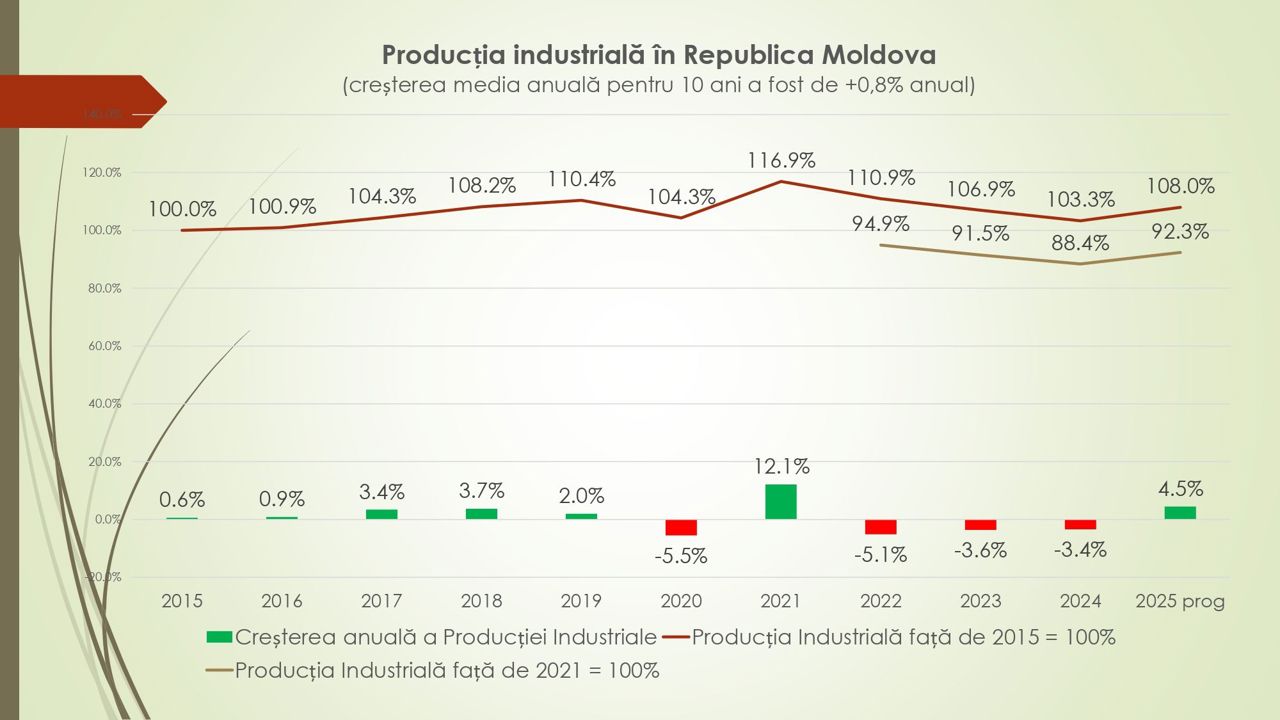
In 2025, industrial production is expected to increase by 4.5% following three consecutive years of decline. However, the current industrial output remains at approximately 92% of the peak level reached in 2021, highlighting an ongoing weak long-term trend.
"Over the past ten years, the industry in the Republic of Moldova has grown cumulatively by only 8%. This is an extremely modest increase. Without a strong industrial sector, it is impossible to achieve robust exports, decent wages, or economic resilience. The economy continues to be unbalanced," warns the expert.
Agriculture: A beacon of hope yet a major vulnerability
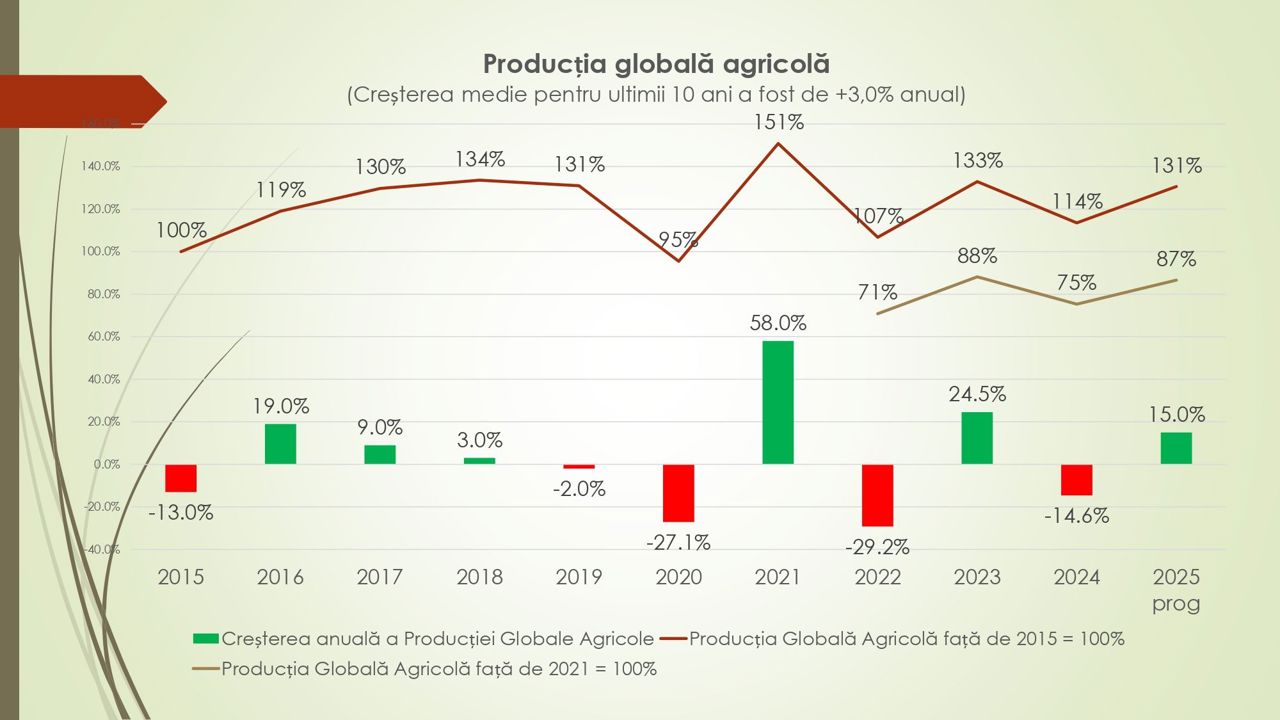
Following the collapse in 2024, agriculture rebounded in 2025, increasing by about 15% and becoming the primary engine of economic growth. However, this recovery does not address the underlying issues.
"Moldova's agriculture remains entirely dependent on the climate. We experience both very good years and disastrous ones. Without a focus on animal husbandry and high-value-added processing, agriculture will continue to be a source of instability rather than economic security," emphasizes Veaceslav Ioniță.
Labor market: Fewer people, increased pressure
Analysis indicates that the number of employed individuals has decreased by 77,000 over the past two years, particularly in the agriculture sector, largely due to external migration. In contrast, the number of employees is projected to rise by approximately 10,000 in 2025.
"We have fewer people working and a diminishing number supporting the economic system. This represents one of Moldova's biggest vulnerabilities and serves as a clear signal of accelerated depopulation," explains the economist.
Exports: Services keep the economy afloat
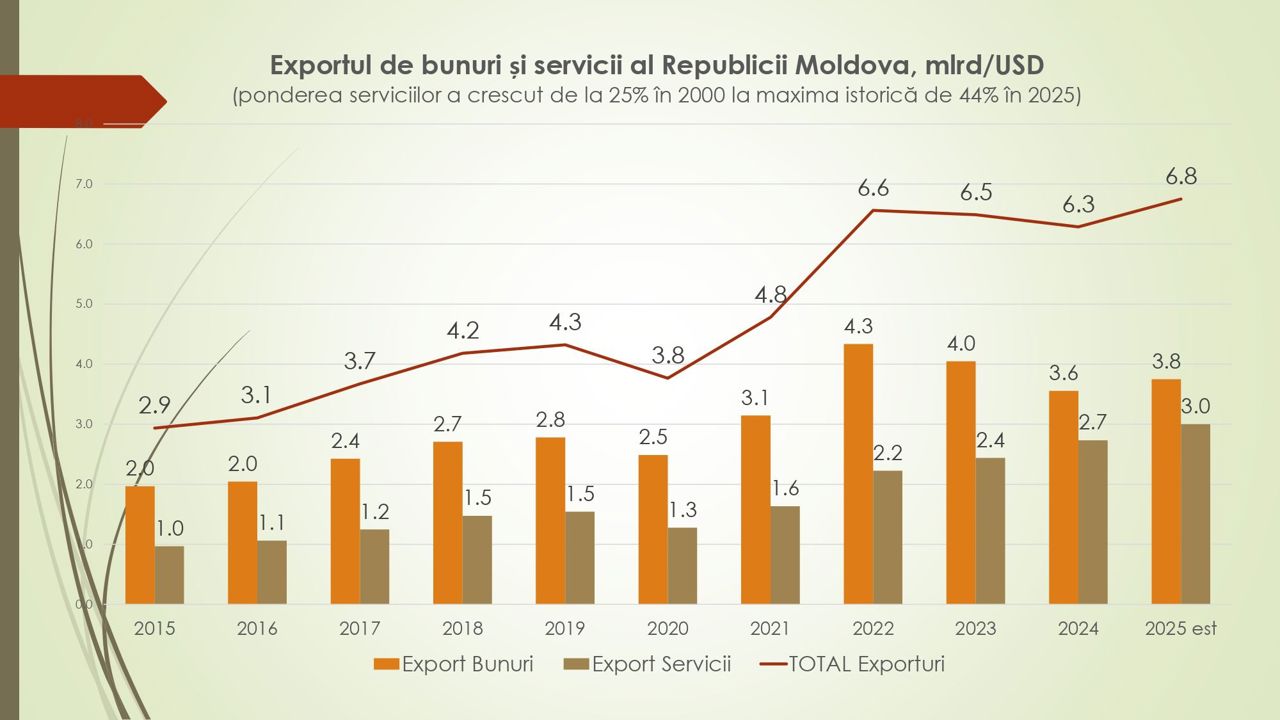
In 2025, total exports are projected to reach approximately $6.8 billion, following two years of decline. For the first time, service exports are expected to exceed $3 billion, becoming the primary engine of growth.
"Services have become the driving force behind the economy. While exports of goods are recovering slowly, we cannot discuss a balanced and sustainable economy without a strong industrial base," says Ioniță.
Salaries, pensions, and inflation: Gains offset by rising prices
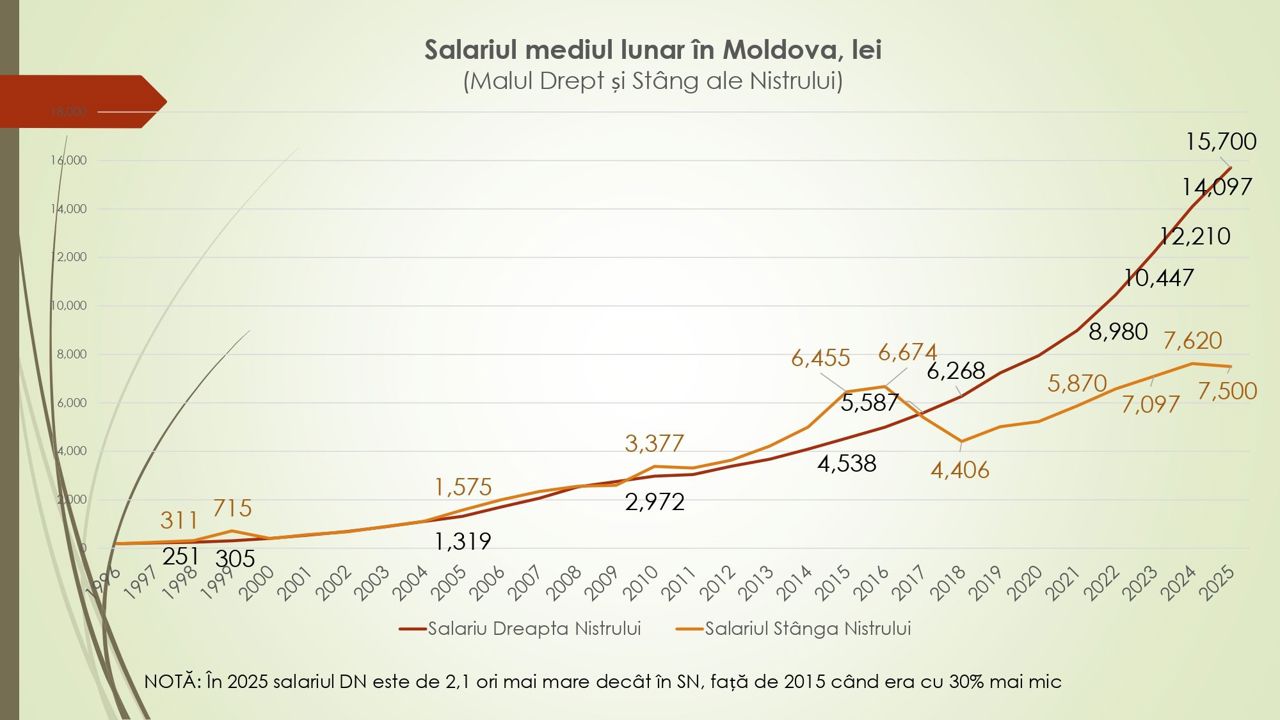
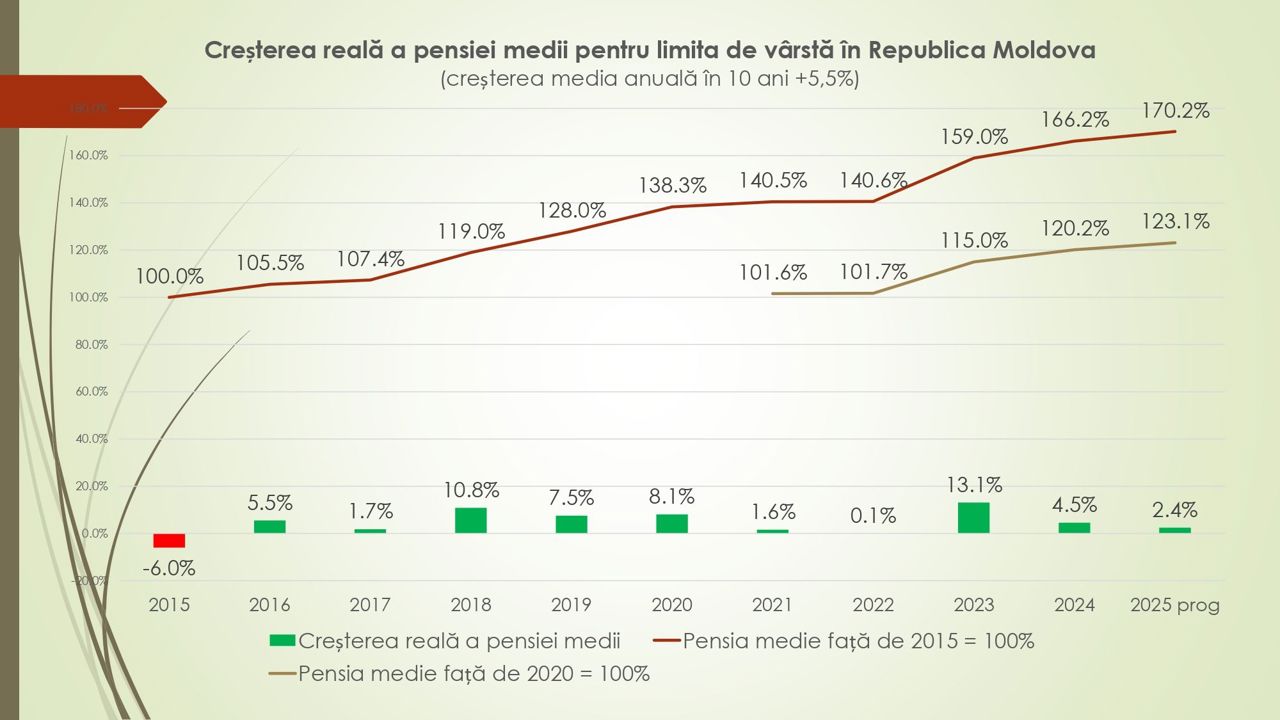
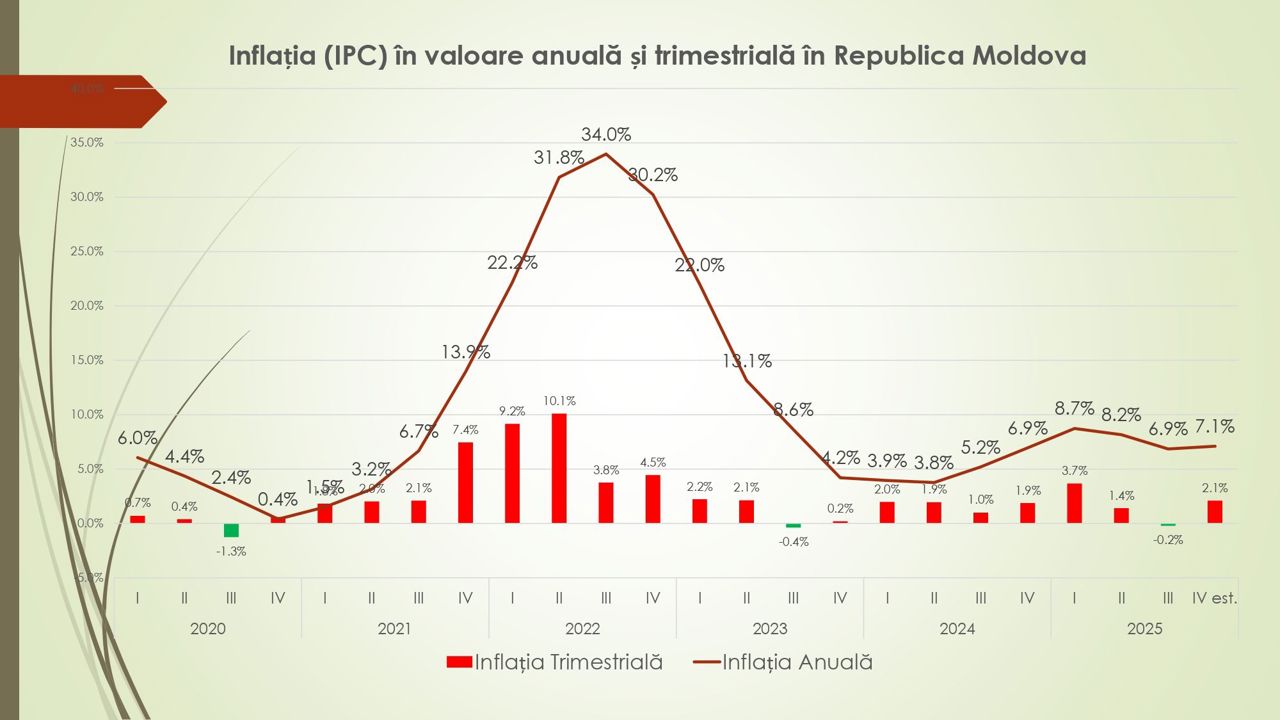
The average monthly salary has reached 15,700 lei, reflecting a real increase of 4.1%. Additionally, the average old-age pension now exceeds 4,200 lei. However, the cumulative inflation experienced over this period has significantly diminished the positive effects of these increases.
"From 2020 to the present, prices have risen by approximately 77%. Regardless of how much we raise salaries and pensions, these adjustments do not fully compensate for the population's loss of purchasing power," explains the expert.
Energy: Decisive blow
The analysis reveals that the Republic of Moldova has experienced the largest increase in energy prices in Europe, with rates rising more than six times their pre-2020 levels.
“By 2025, a Moldovan will be able to purchase less gas with their salary than in most years since independence. Income growth has been overshadowed by the surge in energy tariffs,” emphasizes Veaceslav Ioniță.
“The economy of the Republic of Moldova is experiencing a modest recovery, but remains extremely fragile and heavily reliant on agriculture, climate, and external factors. Without industrialization, value-added production, and economic diversification, the disparities with developed economies will inevitably widen,” concludes the economist.
Energy: Decisive blow
The analysis indicates that the Republic of Moldova has experienced the largest increase in energy prices in Europe, with rates more than six times higher than those before 2020.
"By 2025, a Moldovan will be able to purchase less gas with their salary than in most years since independence. The surge in energy tariffs has outpaced income growth," emphasizes Veaceslav Ioniță.
"The economy of the Republic of Moldova is showing modest recovery; however, it remains extremely fragile and heavily reliant on agriculture, climate, and external factors. Without industrialization, added value, and economic diversification, the disparities with developed economies will inevitably widen," concludes the economist.
The analysis was presented in late December by economist Veaceslav Ioniță as part of his economic analysis program. This report summarizes the macroeconomic developments in the Republic of Moldova, particularly in light of the ongoing effects of the war in Ukraine, the energy crisis, and inflationary pressures experienced in recent years.
This assessment is based on official statistical data and 2025 estimates. It examines the dynamics of key indicators such as GDP, industry, agriculture, the labor market, exports, incomes, and prices, comparing them to the previous year and medium-term trends. The goal is to determine whether the economy is entering a recovery phase or remains in a state of structural vulnerability.