UN mission says US attack does not absolve Nicolas Maduro
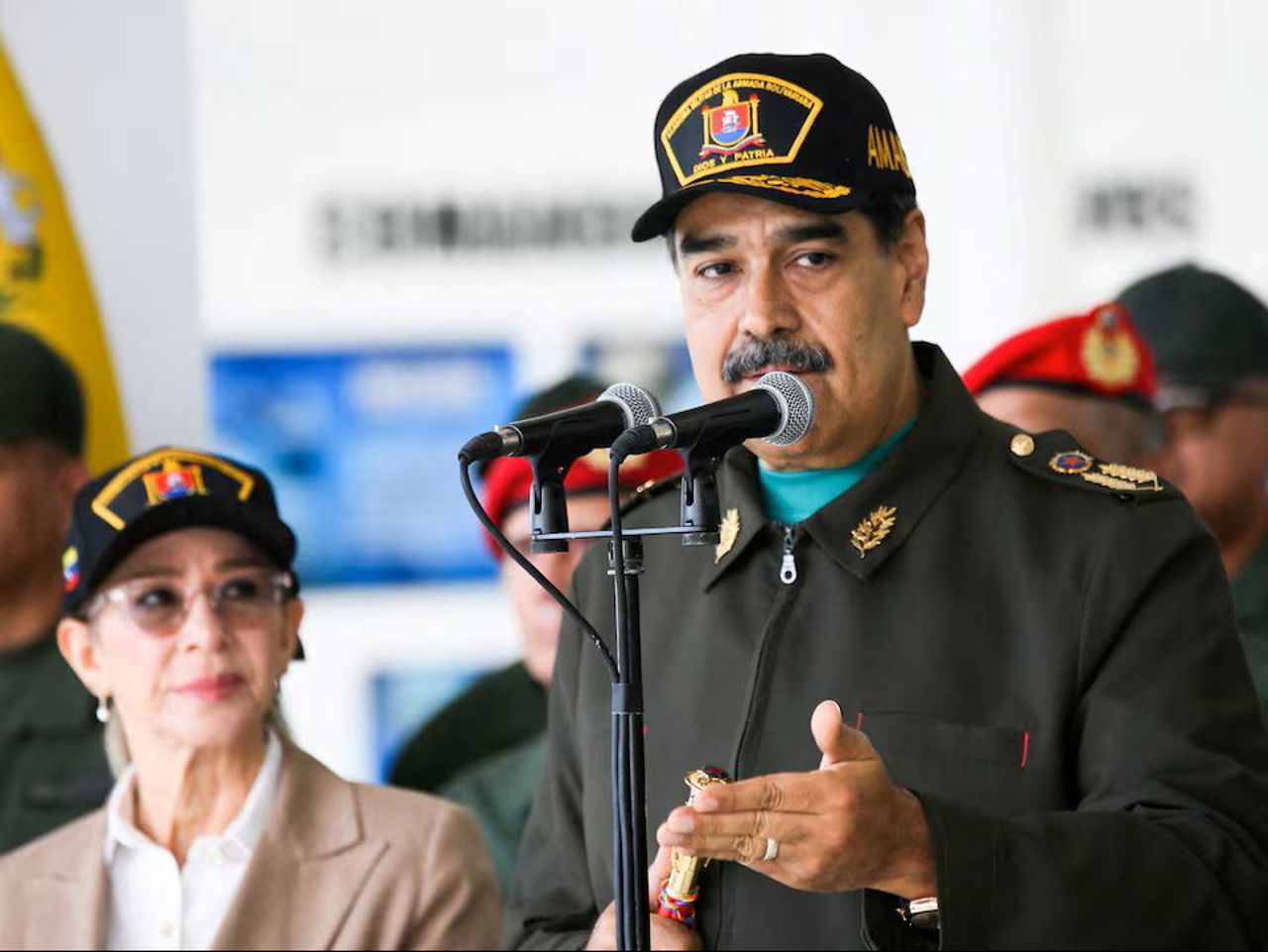
The "illegality of the US attack" in Venezuela does not absolve former president Nicolas Maduro of his responsibility for grave human rights violations committed by his government, a United Nations mission has assessed.
The mission, mandated by the UN Human Rights Council since 2019, underscored in a statement the urgent necessity of ensuring the former Venezuelan leader is held accountable. The violations cited include extrajudicial executions, enforced disappearances, and systematic torture.
"The Maduro government’s long-standing track record of grave human rights violations does not justify a US military intervention that violates international law," stated Alex Neve, a member of the international mission.
Neve added that the illegality of the American strike does not diminish the clear responsibility of Venezuelan officials, including Maduro, for years of repression and violence. He emphasized that these actions constitute crimes against humanity, noting that "the Venezuelan people demand and deserve solutions fully compliant with international law."
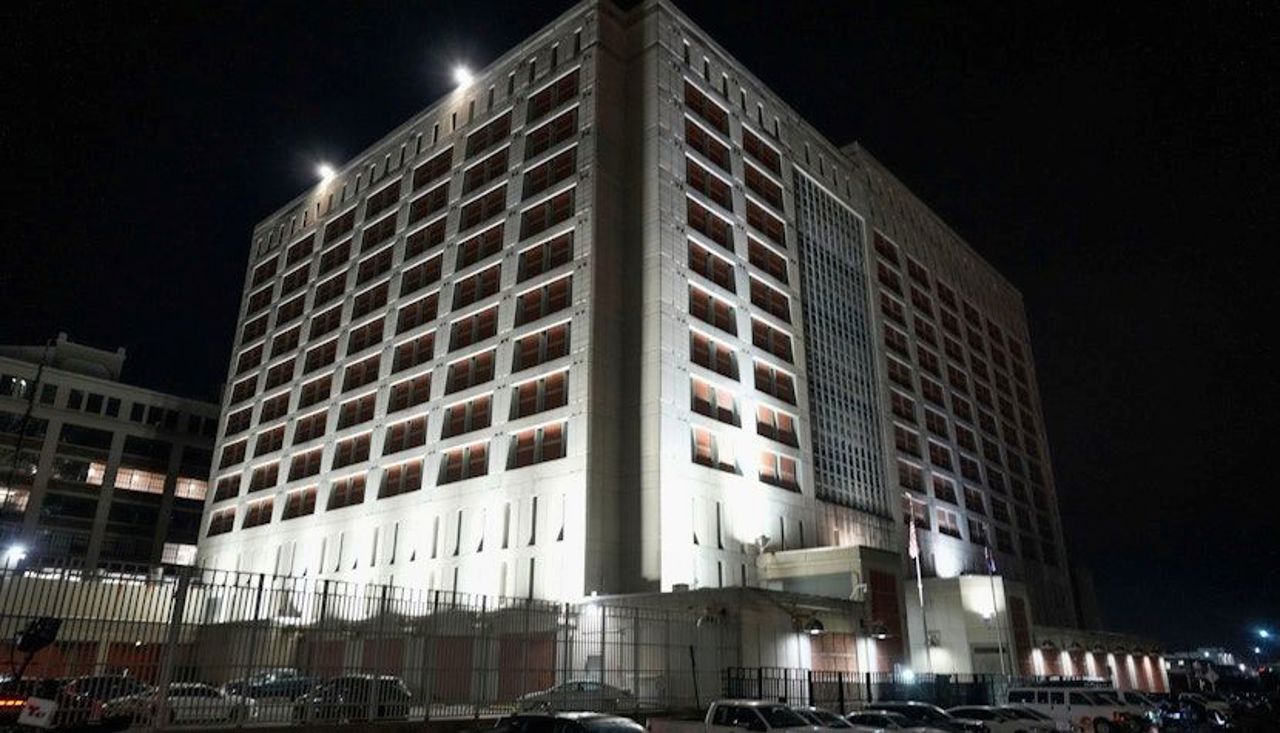
US President Donald Trump announced on Saturday that American forces captured Nicolas Maduro following a "large-scale attack" against Venezuela. The objective is to bring him before a New York court to face charges primarily related to "narcoterrorism."
Trump further stated that the United States will lead Venezuela until a "secure" political transition can take place, though he did not provide specific details on the process.
Marta Valiñas, chair of the fact-finding mission, insisted that despite the military intervention and Maduro's arrest for "narcoterrorism against the US and its citizens," the international community must remain focused on the crimes against humanity committed against the Venezuelan population.
The UN mission also expressed "deep concern regarding the risk of new and grave human rights violations occurring in the coming days and weeks" due to the high volatility of the current situation.
Translation by Iurie Tataru