First electricity expected on the Vulcănești–Chișinău line by late February–early March, Dorin Junghietu
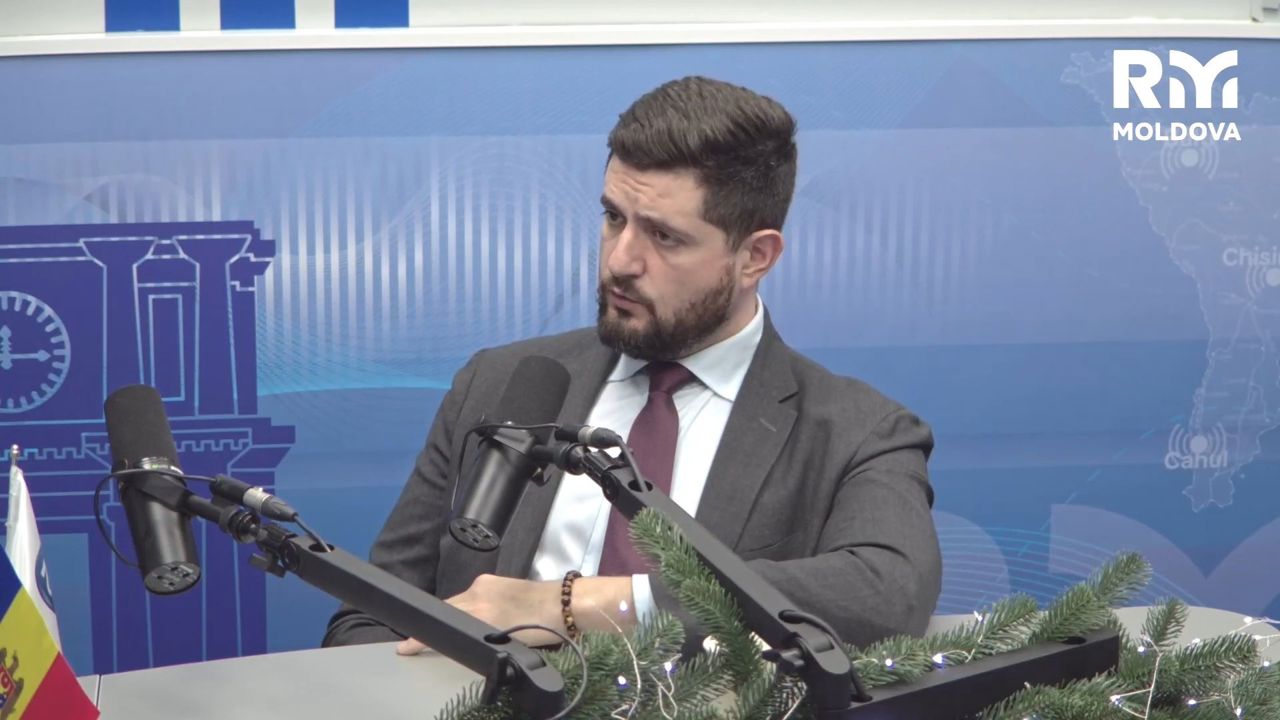
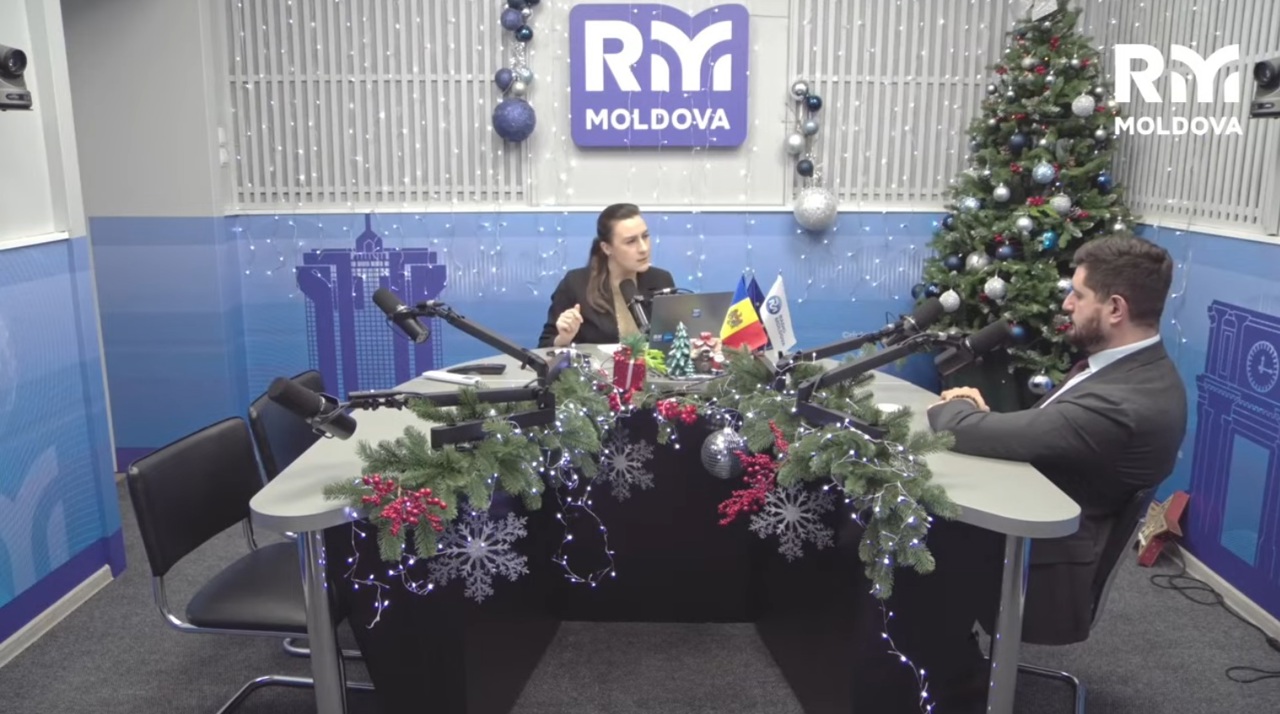
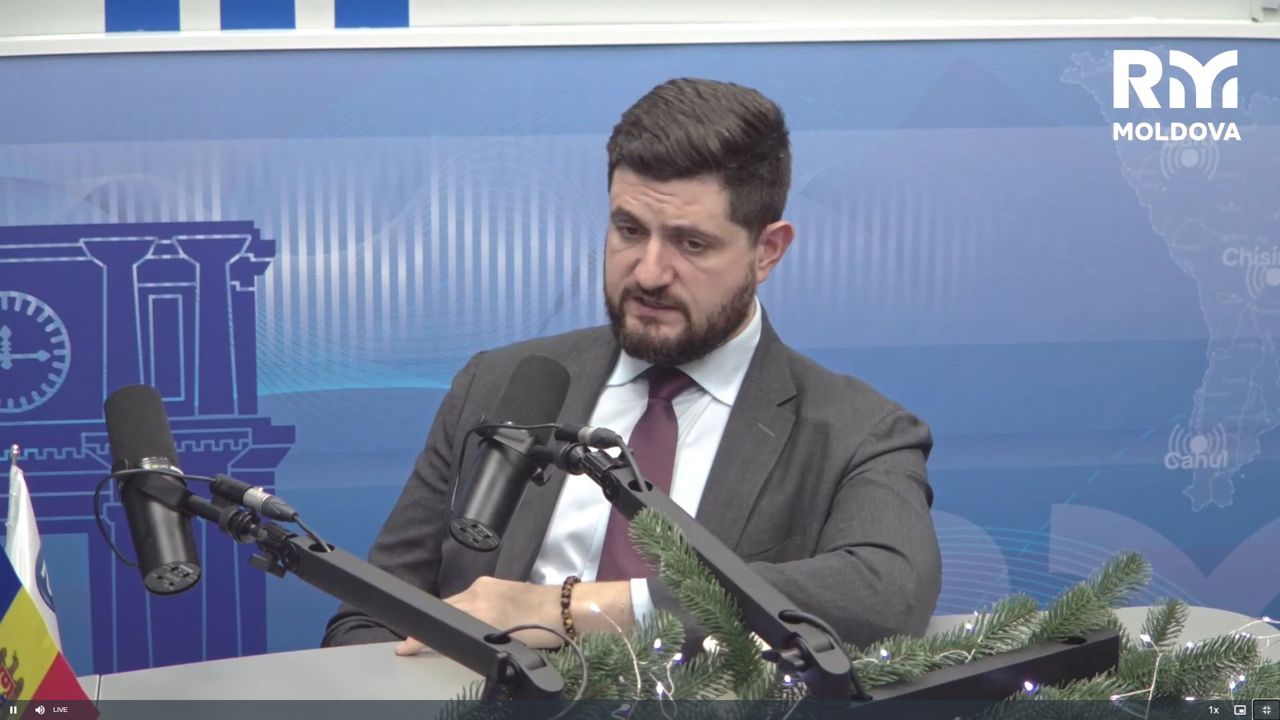
The Vulcănești-Chișinău high-voltage power line, the largest energy project in the Republic of Moldova, is now in the final stages of preparation for testing. According to Minister of Energy Dorin Junghietu, the first shipments of electricity could be transported by the end of February or the beginning of March. This was announced during the "La 360 de grade" program on Radio Moldova.
"The construction work on the line was completed in December, but adjustments and rectification of some technical equipment were still necessary. Tests could not begin due to the weather conditions, as standards require the line to be completely dry and free of ice on the conductors," the minister explained.
He noted that the rains and snowfalls in the second half of December made it impossible to initiate the technical tests.
"The line runs through an open field, and the weather conditions have not allowed us to start testing. The contractors are ready and the equipment is about to arrive in the country. We are now waiting for the right weather window," Junghietu said.
When will the line be energized?
The Minister of Energy has indicated that, despite some delays, the estimated completion date remains set for early spring.
“If we consider the completion of all work and testing, we still need about two months. We estimate that the first kilowatts of electricity will flow through this line by the end of February or the beginning of March,” the official stated.
He emphasized that the delays are not due to planning issues but rather to objective factors. “There were some minor delays in equipment deliveries, but the main factor was the weather,” the minister explained.
What will the Vulcănești–Chișinău line enable?
According to Dorin Junghietu, the new 400 kV power line, which stretches approximately 157 kilometers and is supported by 507 pylons, will allow the Republic of Moldova to import 50–60% of its electricity needs.
"This line will enable us to import approximately 50–60% of the electricity required," said the minister.
Current energy deficit situation
When asked about the risk of disconnections, the minister assured that there is currently no energy deficit.
"There is no deficit. With the available imports and the flexible supply scheme in place, we are not facing any disconnection scenarios," Junghietu explained.
He noted that in December, following attacks on energy infrastructure in Ukraine, the Republic of Moldova requested emergency energy to prevent system imbalances.
"This is not commercial energy; it is emergency energy exchanged between system operators. It is more expensive than the energy purchased daily by EnergoCom," the minister stated.
Bălți–Suceava: Next step
During the show, the Minister of Energy discussed the Bălți–Suceava project, which aims to finalize the interconnection with Romania.
"Six proposals have been submitted for the line component, and they are currently undergoing technical and economic evaluation. Meanwhile, the tender process for the Bălți power station is ongoing," stated Junghietu.
He also mentioned that the authorities' goal is to complete the project by the end of 2027.