ECtHR reviews 19 cases of rights violations in Transnistrian region
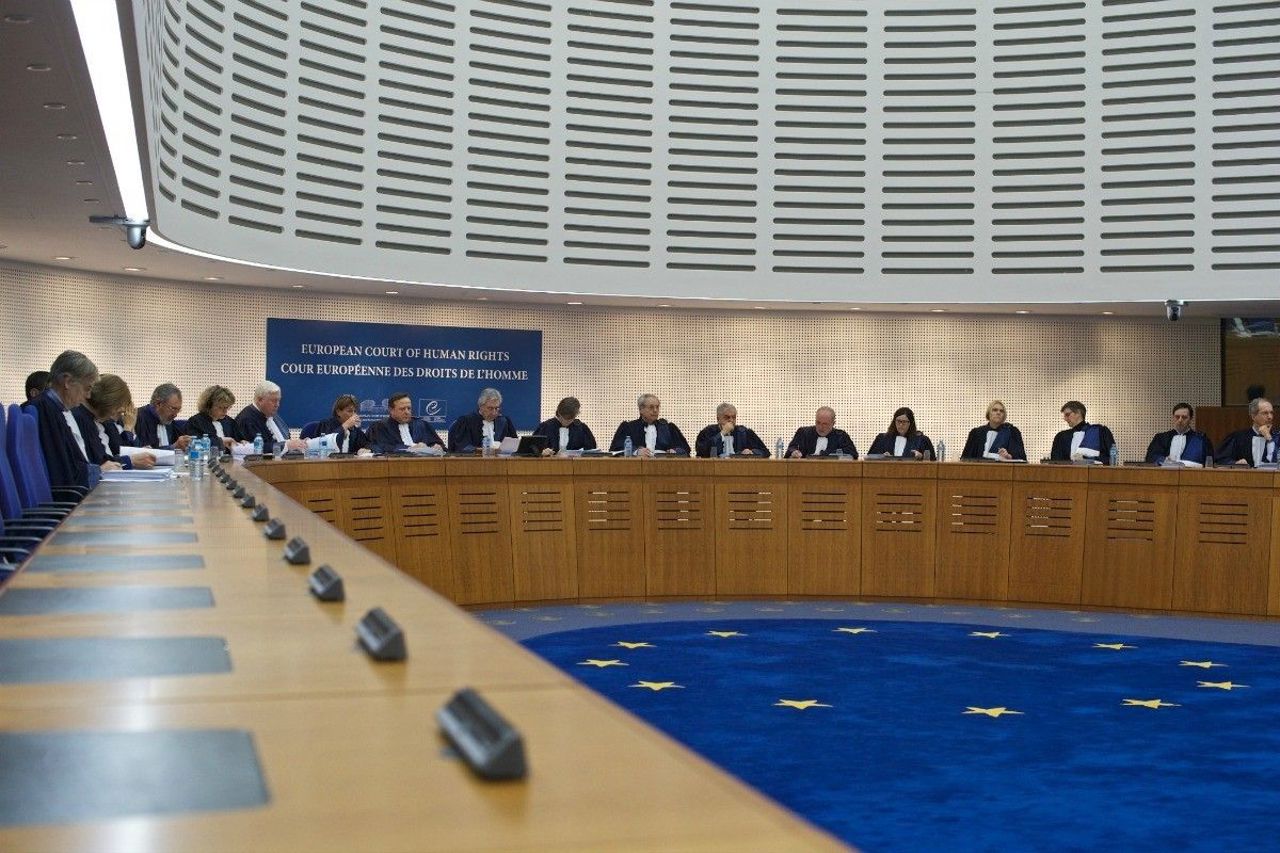
The European Court of Human Rights (ECtHR) has communicated with the governments of the Republic of Moldova and the Russian Federation regarding 19 cases involving alleged serious human rights violations in the Transnistrian region.
These individuals include journalists, activists, former civil servants, and ordinary citizens who sought justice at the European Court of Human Rights (ECtHR) after enduring years of separation from their families. They faced fines for expressing critical opinions, were deprived of their property, and endured trials before illegitimate courts without the possibility of effective appeals. Additionally, they dealt with restrictions on their movement.
1. Anton Driucenco
Anton Driucenco’s car was seized by the so-called Transnistrian authorities, and local courts dismissed his complaints without a summons and without a real examination, leaving him without property and without the possibility of defending his property rights.
2. Evgheny Shevchuk
Former “chairman” of the de facto administration, Evgheny Shevchuk was sentenced to 16 years in prison following proceedings conducted by illegitimate courts, without full access to the file and without the possibility of being assisted by chosen lawyers, being deprived of the right to defense.
3. N.P. I.P.C. Apriori
The non-governmental organization “Apriori” was sanctioned for organizing civic meetings, and its complaints were examined formally, without public hearings and without real motivation, which led to the restriction of freedom of expression and assembly.
4. Varvara Shevchuk
Varvara Shevchuk, an elderly woman, was left without personal property and housing after her son’s house was confiscated, and the Transnistrian courts rejected her complaints without recognizing her rights as a co-owner, leaving her without legal protection.
5. Pridniestrovsky Gumanitarny Fond
A charitable organization was left without access to funds and assets after its accounts were seized and local courts refused to examine the complaints, citing procedural reasons, which blocked the organization’s activity.
6. Galina Miascovscaia
Galina Miascovscaia was dismissed and deprived of her employment rights, and the Transnistrian courts rejected her reinstatement applications without sufficient justification, leaving her without an effective remedy.
7. Piotr Ilchenko
Piotr Ilchenko tried to defend his reputation after an official medical document contained defamatory statements, but local courts refused to examine his case, restricting his access to justice and his right to privacy.
8. Olga Carp
Olga Carp was given a suspended prison sentence and fined, and was also banned from leaving the region, a measure that was subsequently upheld without an effective appeal, restricting her freedom of movement.
9. Stepan Popovschii
Owner of several apartments, Stepan Popovschii lost the right to use the land adjacent to the building after a trial conducted in his absence, without proper subpoena, which led to the impairment of his property rights.
10. Victor Timuș
Victor Timuș was expelled from the region and banned from returning for three years, separated from his family and home, without explanation and without a real possibility of contesting.
11. Mihail Ermurachi
Retired journalist Mihail Ermurachi was fined for a private conversation, and the penalty was later replaced with eight months of detention, a punishment for expressing a critical opinion.
12. Victoria-Cocieri SRL
The company “Victoria-Cocieri” SRL was prevented from accessing its agricultural lands for several years, and later access was conditioned on obtaining a license, resulting in economic losses and the deprivation of use of the property.
13. Maxim Mahlin and Iulia Lîsenco
Maxim Mahlin was arrested, and before a final decision, a Transnistrian court found him guilty, thereby affecting his presumption of innocence, while his partner, Iulia Lîsenco, was prevented from visiting him in detention.
14. Nikita Tohteev
Nikita Tohteev was administratively sanctioned following a procedure conducted by an illegitimate court, being fined and deprived of a driving license, without the guarantees of a fair trial.
15. Nicolai Garmaș
Nicolai Garmaș was detained and subsequently banned from leaving the region, and after complaining of ill-treatment, he was criminally charged, measures considered reprisals and maintained without effective appeal.
16. Tatiana Curacova
Tatiana Curacova was fired from a medical institution, and her requests for reinstatement were rejected by the courts without sufficient motivation, lacking a fair trial.
17. Oleg Moșneaga
Oleg Moșneaga was banned from entering the Transnistrian region, without explanation, being separated from his family and home, including his seriously ill mother, without the possibility of having the measure revoked.
18. Oleksandra Dolhopolova and Nicolai Cuzmin
The two were prevented from organizing a peaceful demonstration against the war, and their complaints were formally rejected, which led to the restriction of freedom of expression and assembly.
19. Alexandr Samonii
A former local councilor and journalist, Alexandr Samonii was targeted in a criminal case for “extremism” for an online comment, being forced to leave the region to avoid detention, remaining in exile and without effective legal protection.***
“The Court’s decision confirms that people living on the left bank of the Nistru are not abandoned and are still within the protection of the European Convention. When there are no effective remedies available at the local level, seeking justice in Strasbourg remains a valid option,” stated Vadim Vieru, a lawyer from Promo-Lex.
The Promo-Lex organization, which is assisting with eight cases at the European Court of Human Rights (ECHR), warns that the ongoing legal vacuum in the Transnistrian region allows for continued abuses. They urge the constitutional authorities of the Republic of Moldova and international partners to enhance the mechanisms that protect the fundamental rights of residents in the eastern districts.