Moldova aligns media laws with EU standards to combat hybrid threats
Moldova is accelerating the alignment of its media legislation with European Union standards to protect democratic processes from hybrid attacks. The urgency follows the 2025 parliamentary elections, where the vulnerability of the digital environment to foreign interference was once again confirmed.
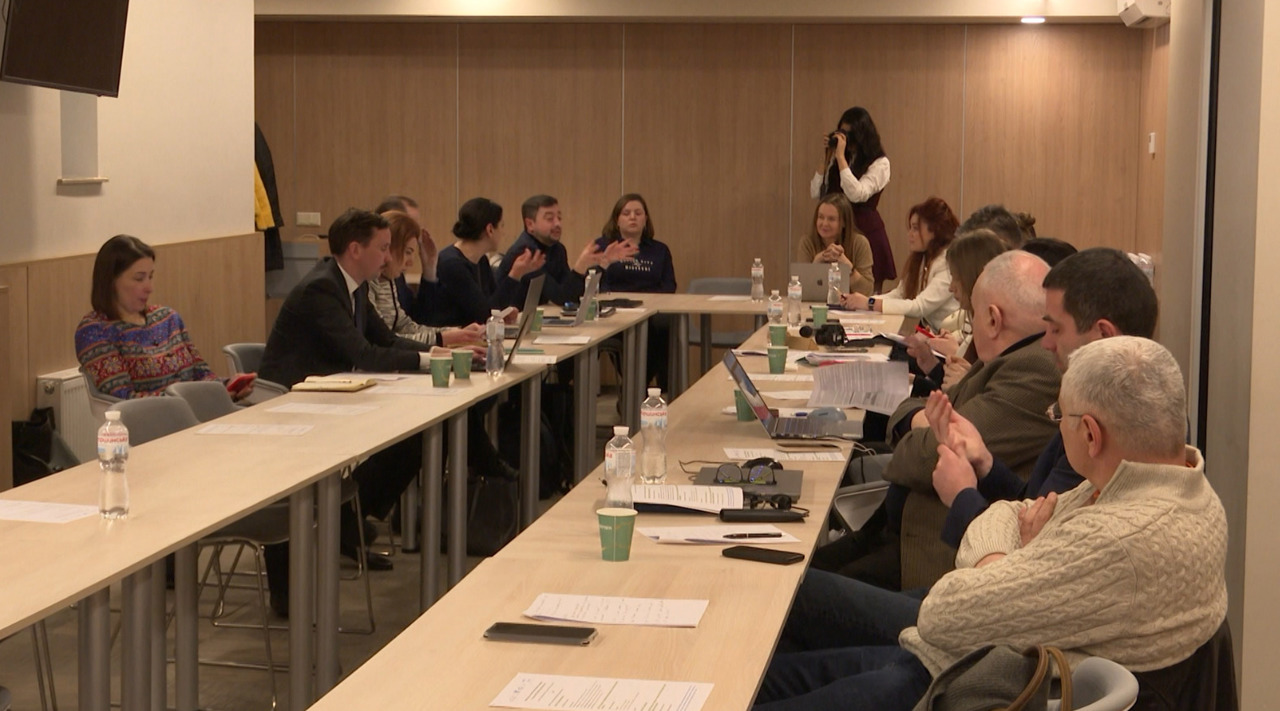
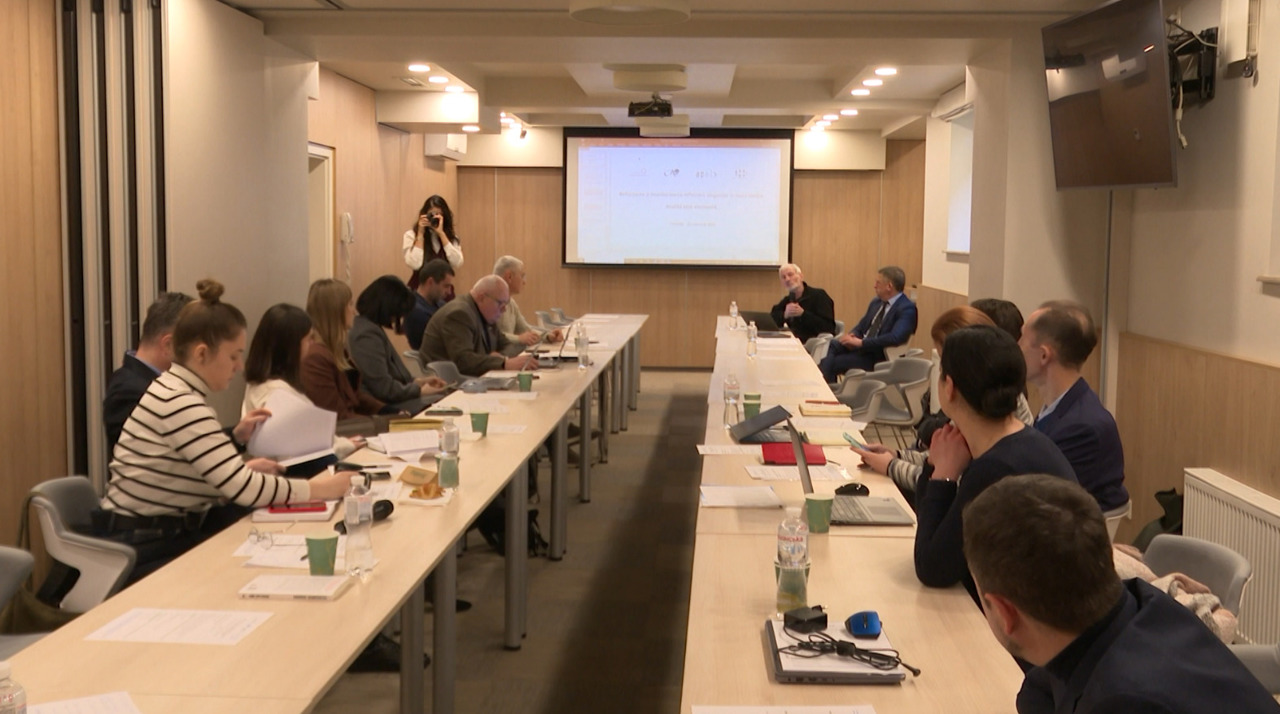
At a post-electoral forum held Tuesday, officials and civil society experts debated new regulatory formulas for the online space. The primary challenge remains balancing national security with the fundamental right to freedom of expression.
Minimum rules for digital platforms
Liliana Vițu, President of the Council of Television and Radio (CA), emphasized that the online environment remains under-regulated and susceptible to manipulation. She noted that social media has become a primary news source, often competing directly with traditional broadcasters.
"We see television stations operating almost exclusively online," Vițu stated. She urged policymakers to establish "minimum regulations" to ensure a level playing field and transparent information for the public.
A strategic window for reform
Ion Bunduchi, President of the Electronic Press Association (APEL), supported the need for clearer rules but urged caution. He described the current period as a strategic window to improve norms before upcoming local contests, such as those in Gagauzia.
Bunduchi argued that regulations must be adopted early. This ensures that stakeholders have sufficient time to understand and implement the new requirements effectively.
Transparency over censorship
However, some experts warn that strict content regulation is often ineffective due to the international nature of digital platforms. Valeriu Pașa, President of Watchdog.md, argued that legal restrictions alone cannot eliminate disinformation.
"I do not see how this can efficiently eliminate falsehoods and manipulation," Pașa remarked. He suggested that maximum transparency and proactive communication are the only viable ways to diminish the impact of toxic information environments.
The role of professional journalism
Despite the shift toward digital consumption, traditional media remains a cornerstone of institutional trust. Vlad Țurcanu, Director General of Teleradio-Moldova, emphasized the importance of high-quality professional journalism in attracting audiences away from unreliable sources.
"It is vital that people trust professional journalists rather than choosing manipulated information from unverified sources," Țurcanu said. He stressed the need for "maneuvering space" to produce engaging news and electoral debates.
The push for digital regulation has also been championed by President Maia Sandu. During her recent address at the Paris Peace Forum, Sandu reiterated that social media platforms have increasingly become spaces for systemic manipulation.
Translation by Iurie Tataru