Moldova economy outpaces forecasts with 2.7% growth as EU-backed reforms take hold
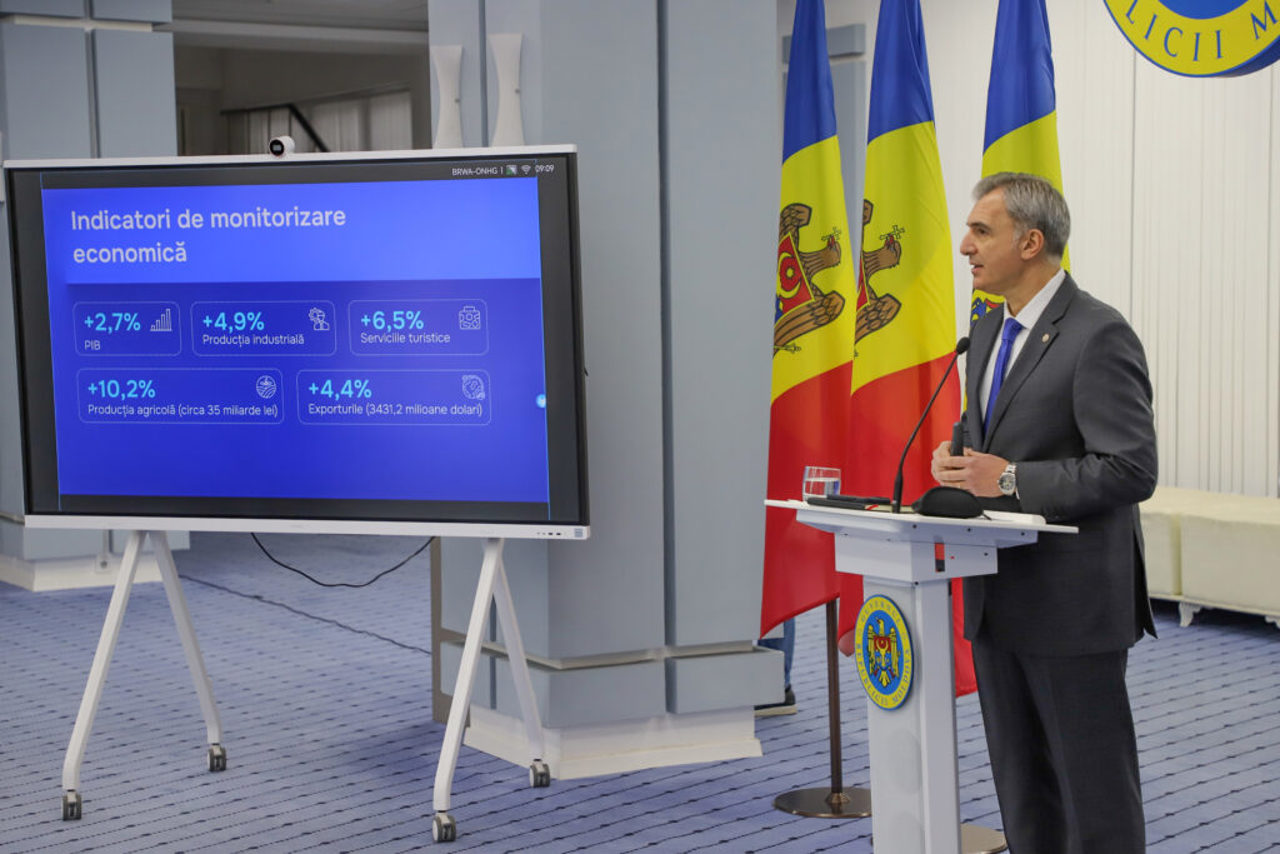
Moldova’s economy grew by at least 2.7% in 2025, significantly outperforming the initial 1.3% forecast, according to Vice Prime Minister Eugeniu Osmochescu.
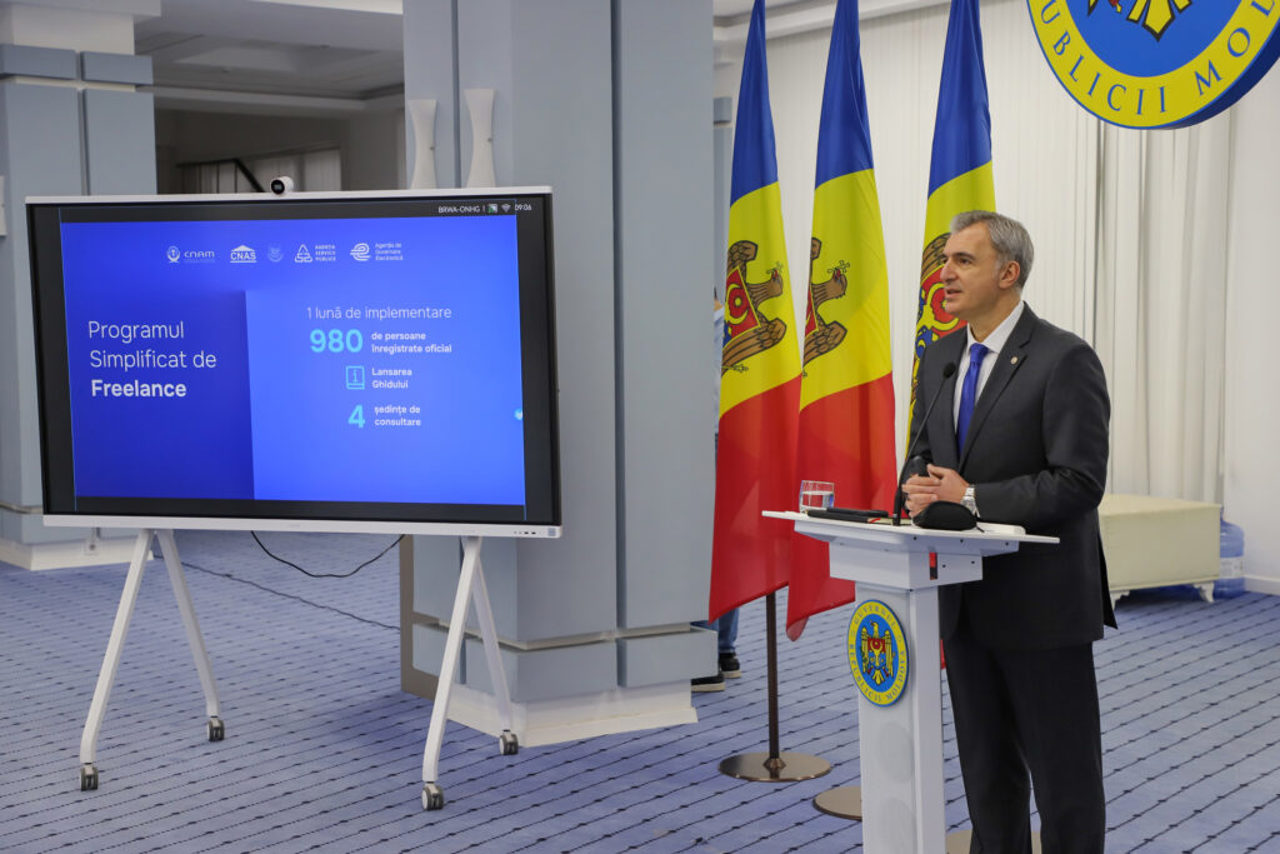
Speaking at a press conference on February 6, the Minister of Economic Development and Digitalization attributed the surge to robust consumption, a 22% spike in investments, and a stronger-than-expected agricultural harvest.
"Since taking office in November, our goal has been to shift from a consumption-based economy to one driven by production and innovation," Osmochescu stated, noting a 4.9% rise in industrial production.
**Economic modernization and de-bureaucracy
A sweeping deregulation package targeting over 200 economic activities is expected to save the private sector approximately €13.6 million (267 million MDL) annually.
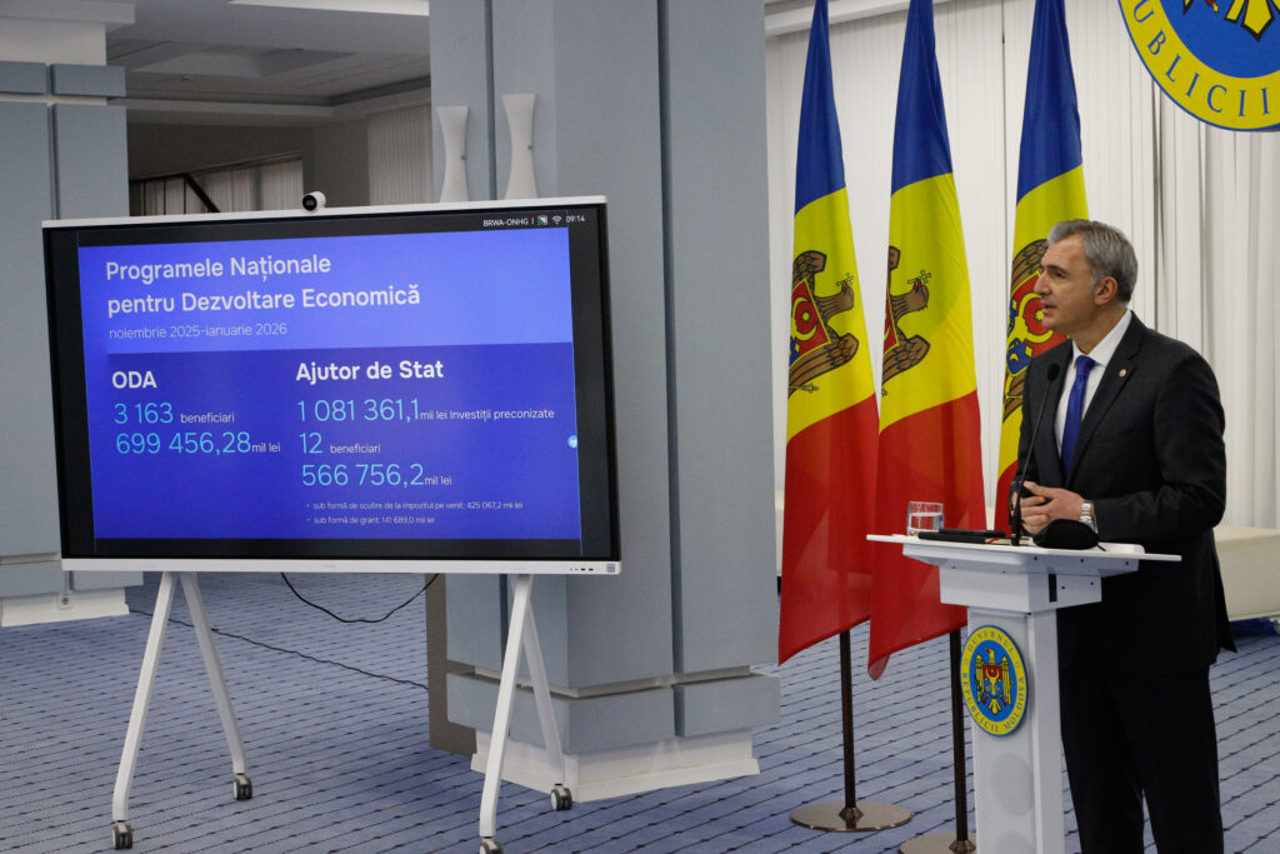
Support for SMEs through the Organization for Entrepreneurship Development (ODA) played a critical role. The agency provided €35.5 million (699 million MDL) in grants and tax incentives to over 3,100 companies.
These measures, alongside a new freelancing regime, helped create 64,000 jobs in 2025, bringing the total employed population to 856,000.
Strategic alignment with the EU
Looking toward 2026, the government’s priorities remain EU accession and attracting foreign investment. Moldova is currently auditing its industries to assess competitiveness against EU standards.
The country expects to leverage the €1.9 billion EU Growth Plan to modernize key sectors including energy, construction, and IT.
Cautionary notes from experts
Despite the positive data, economic expert Veaceslav Ioniță warned that the 2.7% growth remains insufficient to fully recover from recent years' losses.
He emphasized that while digitalization is reducing costs, further reforms are needed to remove administrative hurdles, particularly in the construction sector, and to mitigate climate risks in agriculture.
The Ministry had previously outlined three growth scenarios through 2028. The most optimistic path depends entirely on the successful implementation of the €1.9 billion EU investment pipeline.
Translation by Iurie Tataru