Moldova urges citizens to exit Russia amid military conscription threats
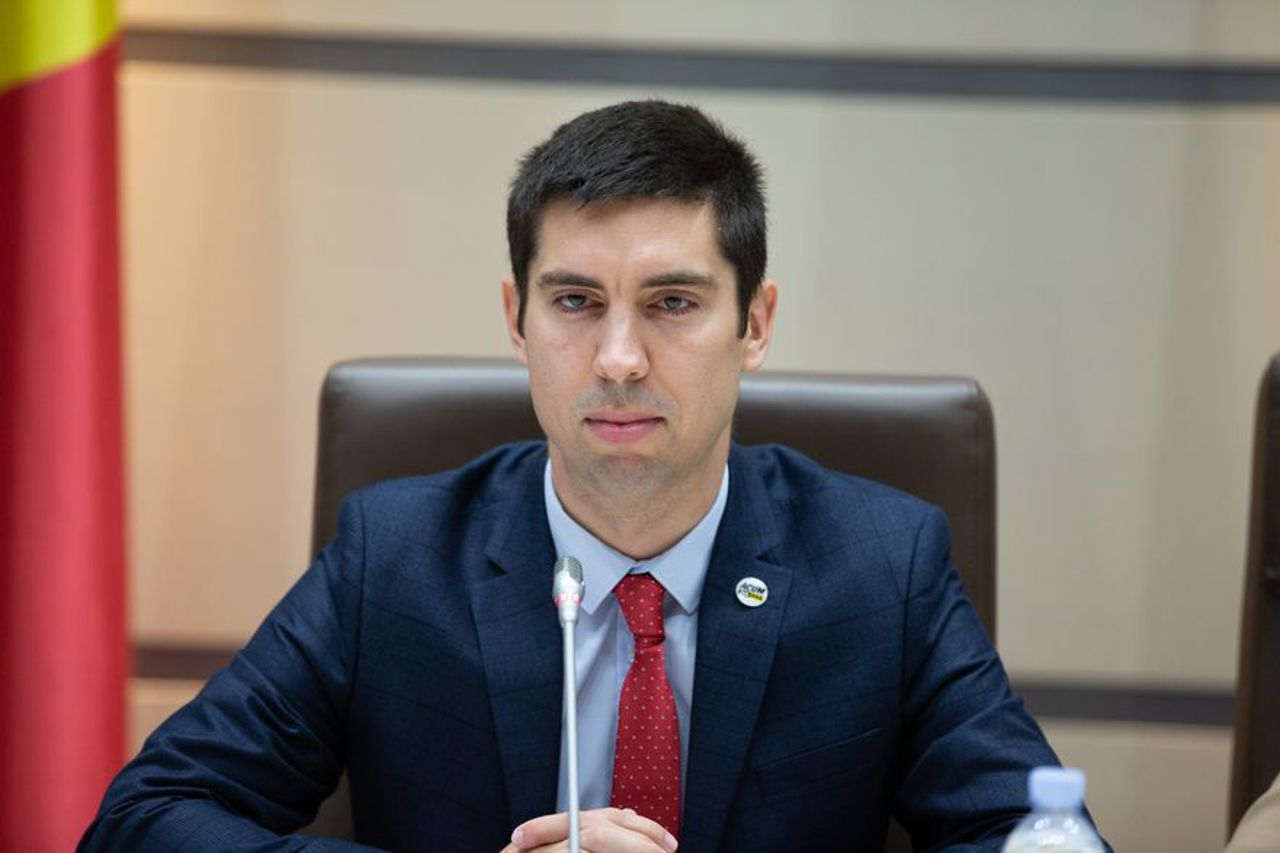
Deputy Prime Minister Mihai Popșoi has issued a stark warning to Moldovan citizens currently residing in the Russian Federation, urging them to return home to avoid forced military mobilization.
The Ministry of Foreign Affairs confirmed receiving multiple reports of Moldovan nationals being served conscription notices for the frontlines. Popșoi emphasized that the risks are now critical and that the authorities are ready to facilitate safe returns.
Security over mobilization
"Every Moldovan citizen in danger is welcome back home," Popșoi stated during a broadcast on TVR Moldova. He advised citizens not to wait for official summons but to leave Russian territory immediately to ensure their personal safety.
While acknowledging that economic opportunities in Moldova may still be developing, the Minister highlighted that the country offers a "peaceful and stable environment" compared to the escalating risks within the Russian Federation.
Rejecting Moscow's rhetoric
Addressing recent travel warnings issued by the Kremlin against Moldova, Popșoi dismissed allegations of discriminating against Russian speakers as "ridiculous." He clarified that Moldova’s entry filters are based solely on national security.
"In the context of Russia’s aggression against Ukraine, a prudent approach is essential," Popșoi explained. He noted that border screenings are designed to protect citizens, regardless of an individual's language or nationality.
Diplomatic tensions and consular limits
The Foreign Minister also addressed the "unusual" behavior of Russia’s ambassador-designate, Oleg Ozerov. Popșoi criticized Ozerov’s involvement in domestic political events, noting such actions deviate significantly from standard diplomatic practice.
Despite these tensions and the complications arising from Russian drones crashing on Moldovan soil, Chisinau maintains a minimum diplomatic dialogue. This ensures that essential consular lifelines remain available for Moldovans still in Russia.
Translation by Iurie Tataru