Amnesty International exposes North Korea's 'Dystopian' execution of youth over foreign media
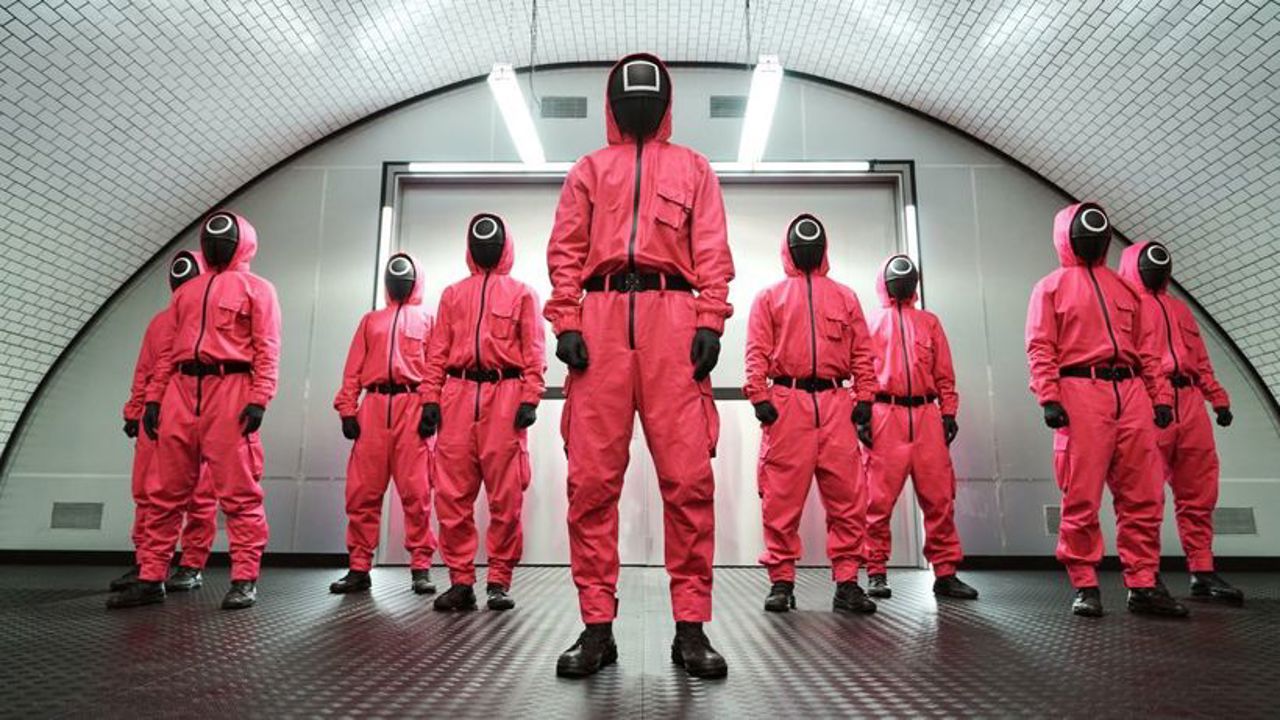
North Korean authorities are executing students for watching South Korean television shows, including the Netflix hit "Squid Game," and listening to K-Pop. A 2025 Amnesty International report, citing harrowing testimonies from defectors, details a regime increasingly reliant on public executions and forced labor to stifle foreign cultural influence.
The crackdown centers on the "2020 Law against Reactionary Thought and Culture." This legislation labels South Korean media as a "rotten ideology" designed to paralyze the nation’s revolutionary spirit.
The architecture of fear
Defectors described a brutal system of "ideological education" where children are forced to witness public executions. One witness recalled being taken to such events at age 16 to observe the killing of individuals caught distributing forbidden media.
The report highlights that justice in North Korea has become a commodity. While the law mandates 5 to 15 years of hard labor for consumption, and death for distribution, these sentences are often negotiable for the wealthy.
Corruption and the Group 109
"Punishment depends entirely on money," stated Choi Suvin, a 39-year-old defector. Families often sell their homes to raise bribes of €4,650 to €9,300 (approx. 91,000 to 182,000 MDL) to secure a relative's release from re-education camps.
Specialized police units, known as "Group 109," carry out warrantless searches to find illegal USB sticks and laptops. Despite the risks, foreign media remains widespread, often consumed in secret by the very officials tasked with its eradication.
A systemic human rights crisis
Sarah Brooks, Amnesty International’s regional deputy director, noted that these laws mean watching a drama can cost a life—unless one can afford the bribe. The findings align with recent UN reports warning of the regime's increasing use of public violence to instill fear.
Earlier in 2024, verified footage showed teenagers sentenced to hard labor for similar offenses. This confirms a trend where the Kim Jong Un regime views cultural autonomy as a direct threat to its political survival.
Translation by Iurie Tataru