Europe warns against minimalist concessions to Russia at MSC 2026
The future of European security hinges on the resolution of the war in Ukraine, with leaders at the 62nd Munich Security Conference (MSC) warning that Russia’s maximalist demands must not be met with a "minimalist response." Wolfgang Ischinger and Kaja Kallas spearheaded calls for intensified pressure on Moscow, advocating for a decisive European stance in any future negotiations.
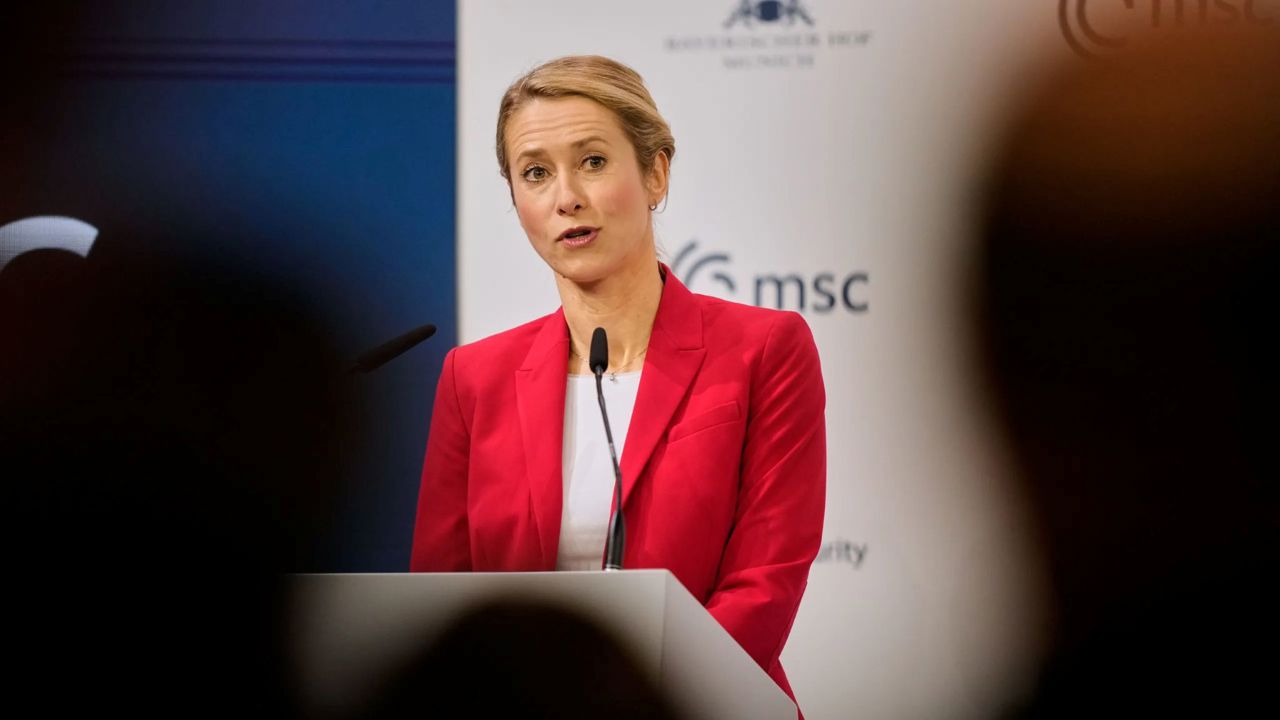
EU Foreign Policy Chief Kaja Kallas delivered a searing critique of Moscow’s perceived strength. After a decade of conflict, Russia has made marginal territorial gains at the staggering cost of 1.2 million personnel losses, signaling a systemic erosion of its military and economic standing.
Kallas characterized Russia as a weakened state, crippled by its exclusion from the European energy market and a continuous "brain drain" of its citizens. The primary threat, she warned, is that Russia might secure more through diplomatic maneuvering than it has achieved on the battlefield.
Minimum conditions for peace
For future negotiations to be viable, Kallas insisted that Europe must define its demands with absolute clarity. She argued that Russia’s maximalist ambitions cannot be met with minor concessions, outlining several non-negotiable pillars for a durable peace.
These requirements include reciprocal limits on military forces, full war reparations for Ukraine’s destruction, and the prosecution of war criminals. Furthermore, Kallas demanded the immediate return of deported Ukrainian children, labeling these steps as the absolute baseline for Russian sincerity regarding peace.
Strategic priorities and NATO strength
Addressing the debate over a unified European army, Kallas urged leaders not to be distracted by new bureaucratic projects. Instead, she emphasized strengthening existing national militaries and bolstering NATO as the immediate priority.
The EU’s strategy must focus on three pillars: European defense starting in Ukraine, regional stability through EU enlargement as an "antidote to Russian imperialism," and deepened international cooperation to safeguard the rules-based order.
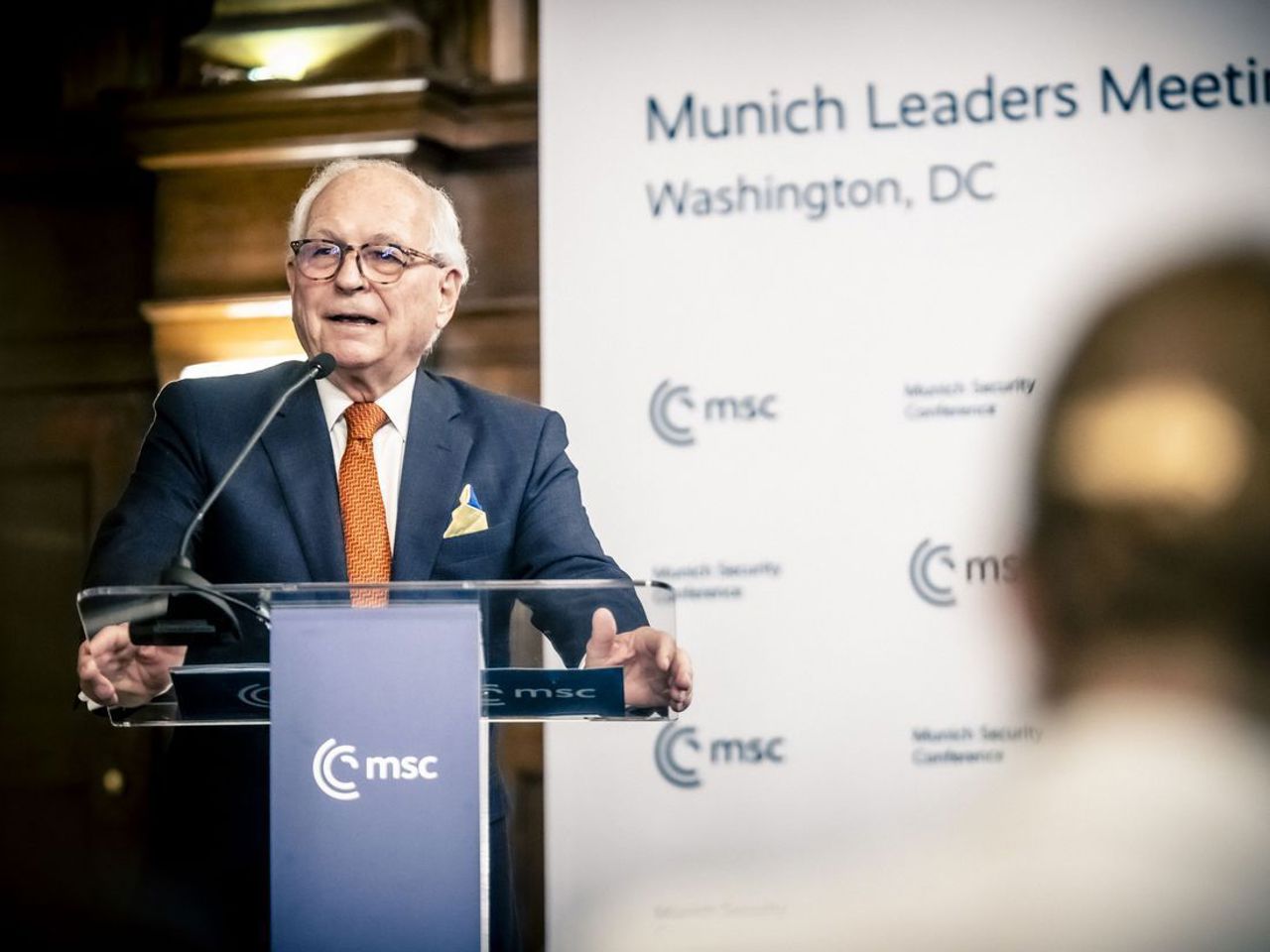
Wolfgang Ischinger: From speeches to action
MSC President Wolfgang Ischinger closed the forum with a sharp call for operational reality. He argued that Europe has reached a limit on rhetoric and now requires a concrete "Action Plan" detailing exactly what Europeans are prepared to do, and when.
Ischinger advocated for increasing the cost of aggression by providing Ukraine with decisive weaponry and tightening sanctions. He specifically highlighted the need to target Russia's "shadow fleet" to dry up the financial resources fueling the Kremlin's war machine.
The Washington-Kyiv-Brussels triangle
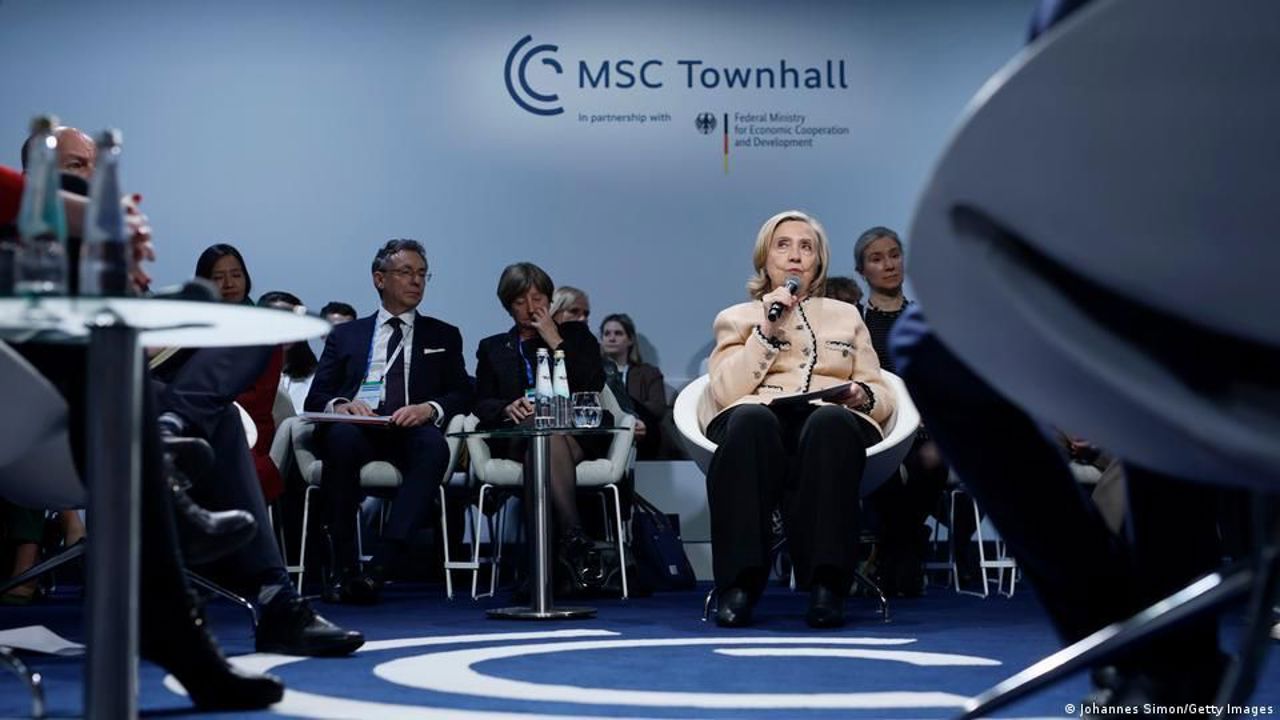
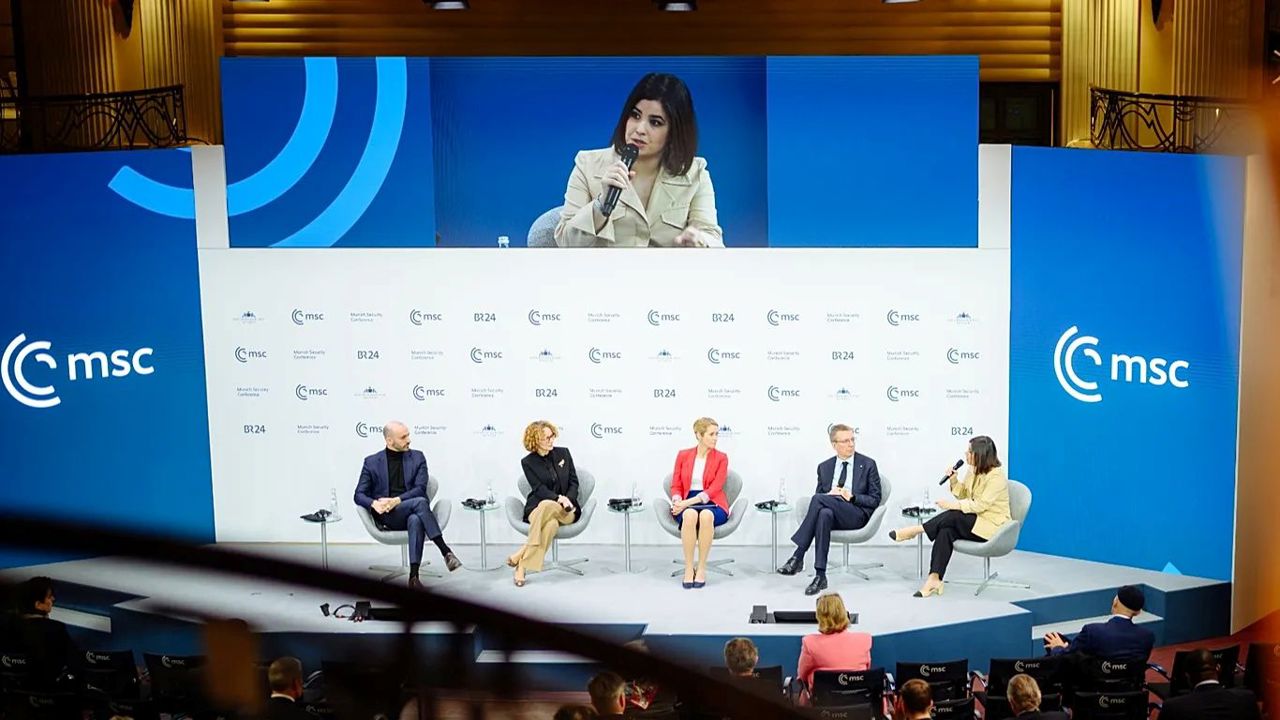
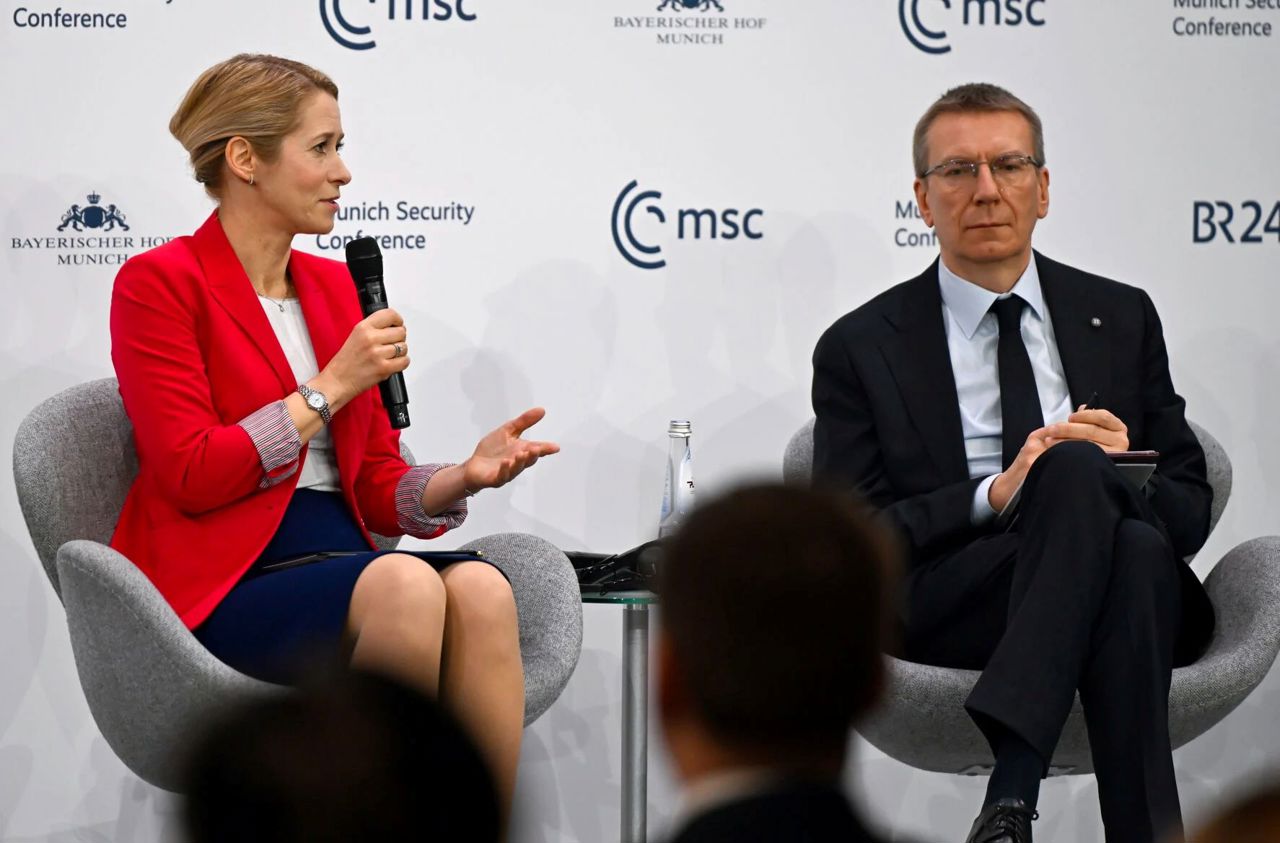
The conference also highlighted internal Western frictions. Latvian President Edgars Rinkēvičs noted a lack of consensus regarding a specific timeline for Ukraine’s EU accession, while Hillary Clinton described the Trump administration’s stance on Ukraine as a "disgrace" and a betrayal of Transatlantic values.
The summit concluded on a symbolic note as the Ukrainian people were honored with the Ewald von Kleist Award. Accepting the distinction, President Volodymyr Zelenskyy called it a testament to the strength of international friendship, stressing that "without friendship, power is never enough."
Translation by Iurie Tataru