Security over sovereignty: Iceland’s accelerated path to the EU
Iceland is considering an early referendum on resuming European Union accession talks, potentially moving the vote from 2027 to as early as August 2026. The Icelandic Parliament is expected to announce the official date within the coming weeks, following reports by Politico.
The drive to accelerate the process stems from heightened geopolitical volatility. Recent U.S. tariffs on Icelandic goods and President Donald Trump’s renewed interest in annexing Greenland have triggered deep-seated security concerns in Reykjavík.
For a nation without a standing military, these developments have intensified feelings of vulnerability. Iceland currently relies on its NATO membership and a 1951 bilateral defense agreement with the United States for its national security.
In Brussels, the narrative surrounding EU enlargement is shifting toward collective defense. EU Enlargement Commissioner Marta Kos noted that the expansion debate is increasingly focused on security and belonging within a world defined by great-power competition.
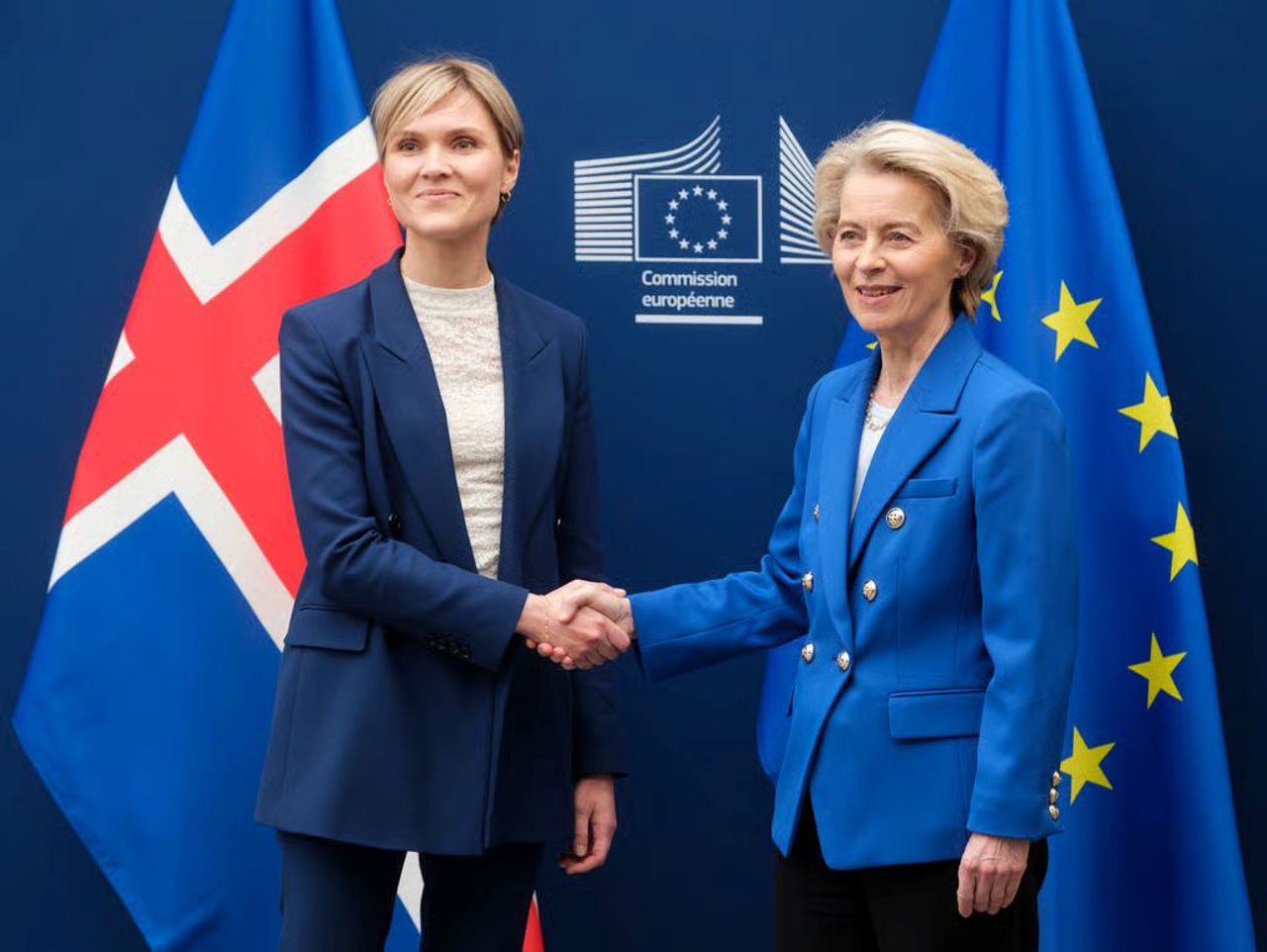
European Commission President Ursula von der Leyen echoed this sentiment after meeting Icelandic Prime Minister Kristrún Frostadóttir. She emphasized that the partnership with Iceland "offers stability and predictability in a volatile world."
Iceland’s history with the EU is complex. The country first applied for membership in 2009 following a catastrophic banking collapse, only to freeze negotiations in 2013 and withdraw its candidate status in 2015.
Today’s landscape is notably different. As a member of the European Economic Area (EEA) and the Schengen Area, Iceland already implements a significant portion of EU legislation. Before the 2013 freeze, it had successfully closed 11 of 33 negotiation chapters.
European officials suggest that while talks could advance rapidly, maritime sovereignty remains a hurdle. Fishing rights, a vital sector for the Icelandic economy, are expected to be the primary point of contention in any future negotiations.
If citizens vote in favor of resuming talks, Iceland could theoretically become one of the Union’s newest members. However, final accession would still require a second referendum once the full terms of the deal are negotiated.
Translation by Iurie Tataru