Russia-Ukraine War at four years: Territorial stagnation and the high cost of attrition
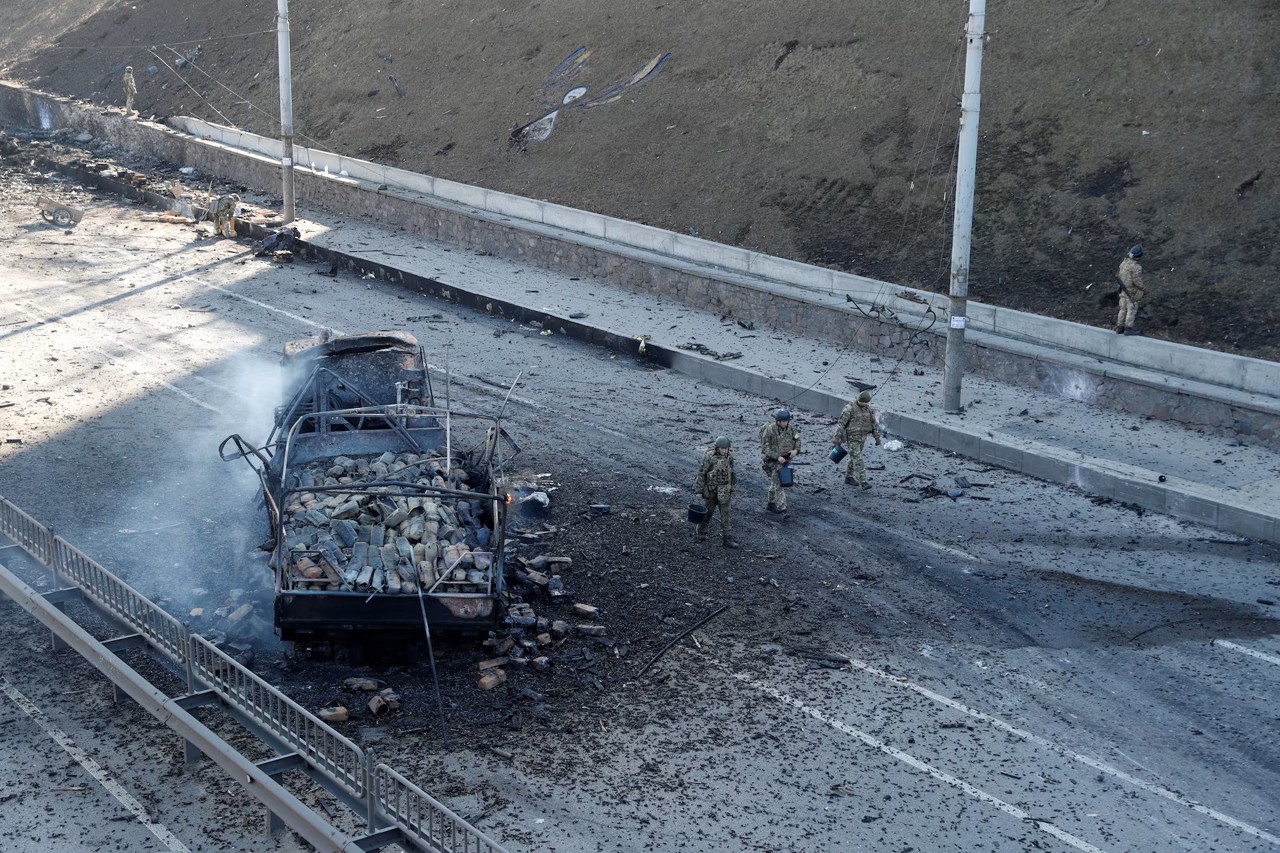
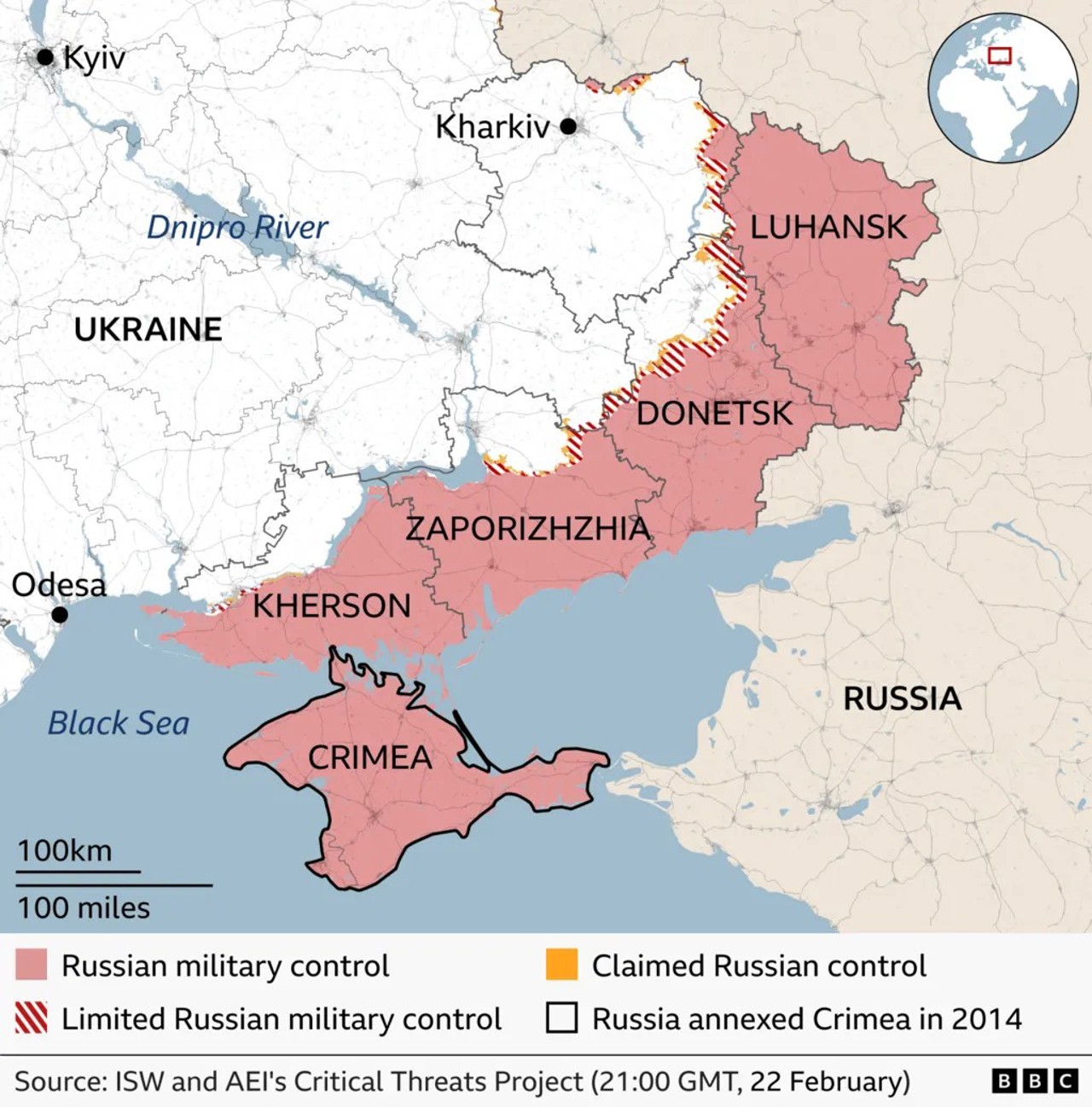
Four years since the full-scale invasion began in February 2022, Russia maintains control over approximately one-fifth of Ukrainian territory. However, Moscow’s offensive has slowed to a crawl following the rapid initial seizures of the east and south.
Since early 2023, Russian forces have captured only 1.3% of additional Ukrainian land. The 1,200-kilometer front line has largely stabilized, with territorial shifts becoming both marginal and exorbitantly expensive for the Kremlin.
The human cost of marginal gains
The human toll of this stagnation is immense. NATO Secretary General Mark Rutte reported "staggering losses" during the Munich Security Conference this February, estimating 65,000 Russian soldiers killed or wounded in just the last two months.
The Center for Strategic and International Studies (CSIS) estimated in January 2026 that Russian forces suffer an average of 26,000 casualties monthly. This brings the total estimated Russian casualties to 1.2 million since the invasion’s inception.
Technological evolution and the Pokrovsk bottleneck
The conflict has devolved into a grueling war of attrition where drones have rendered large-scale armored maneuvers nearly impossible. Small infantry units now often advance on foot or via motorcycles to avoid detection by constant aerial surveillance.
In the strategic Donetsk region, the pace of the Russian advance has collapsed. In 2025, Moscow’s forces moved toward Pokrovsk at an average rate of just 70 meters per day—over 100 times slower than the initial 2022 Kharkiv offensive.
Diplomatic friction in Geneva
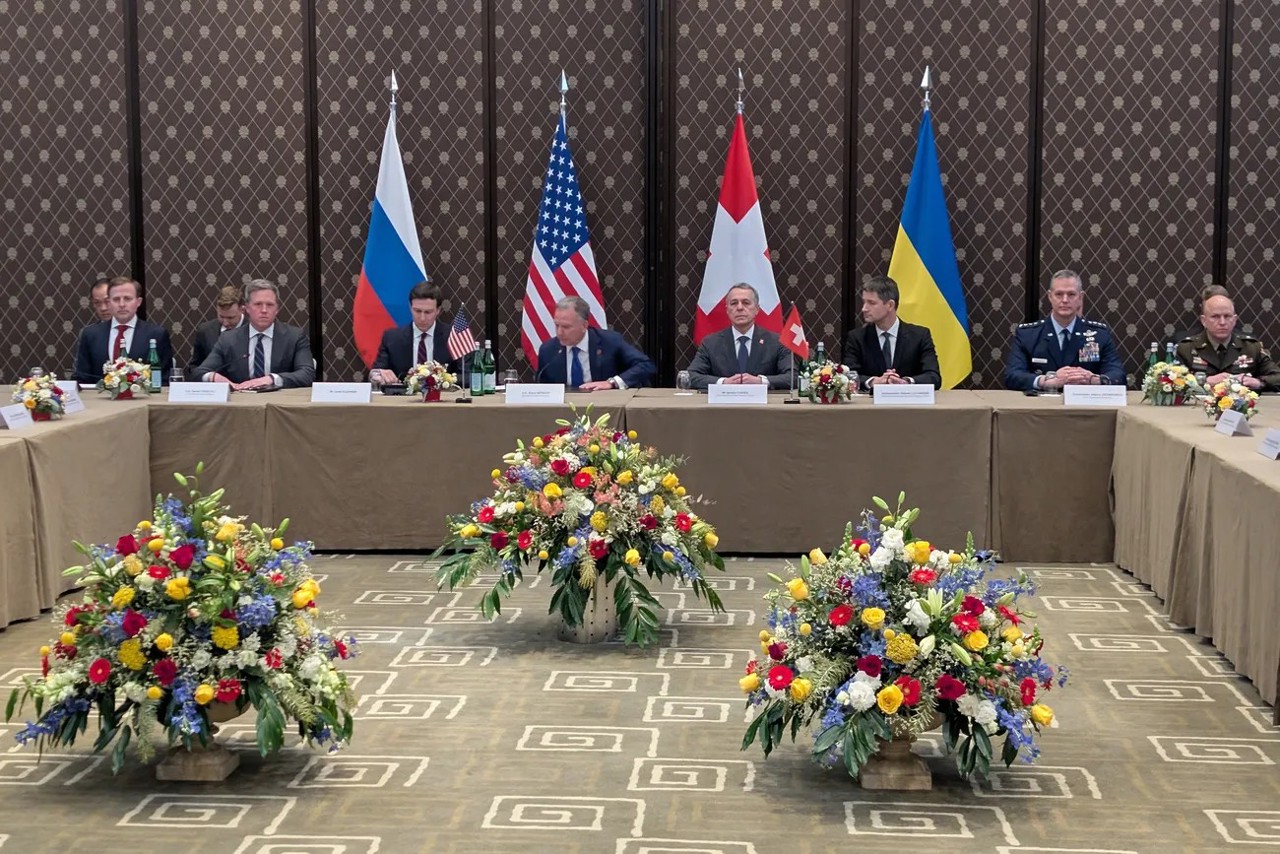
A U.S. delegation, led by special envoy Steve Witkoff and Jared Kushner, convened in Geneva on February 17, 2026, for trilateral talks. This follows a significant reduction in direct U.S. military aid to Kyiv over the past year.
President Volodymyr Zelensky remains resistant to territorial concessions, particularly in the Donbas region. He warned that any ceded land would merely serve as a staging ground for future Russian aggression once Moscow rearms.
Translation by Iurie Tataru