EU activates biometric EES border control at all crossing points with Moldova from March 2
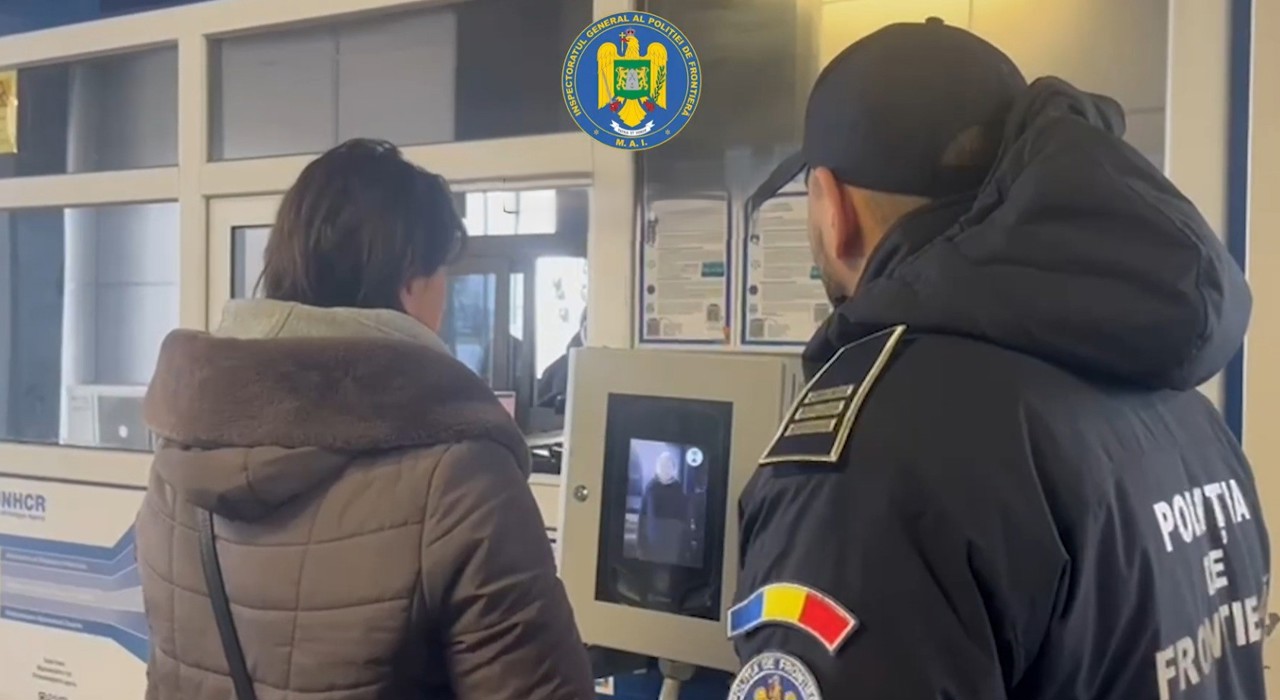
The Border Police announced that the European Union's electronic Entry/Exit System (EES) will be operational at all border crossing points between Romania and the Republic of Moldova starting March 2, 2026. This measure is part of the ongoing effort to modernize controls at the EU's external border and is aimed at citizens of non-EU countries who are making short visits to the EU.
Starting March 2, the EES (Entry/Exit System) will be operational at the following border crossing points:
- Leușeni – Albița
- Sculeni – Sculeni
- Leova – Bumbata
- Giurgiulești – Galați (road, port, and rail)
- Ungheni – Iași (rail)
This expansion follows the phased rollout of the system, which began on October 12, 2025, at the Costești-Stânca border crossing. Additional crossings, including Giurgiulești-Galați and Cahul-Oancea, became operational on November 24, 2025, followed by Lipcani-Rădăuți Prut on January 9, 2026.
According to the Border Police press release, “The EES is a modern electronic system that records the date and place of entry and exit for third-country nationals who are admitted for short-term stays (maximum 90 days in any 180-day period). The system collects alphanumeric and biometric data (facial images and four fingerprints) and automatically calculates the duration of the authorized stay.”
The EES also applies to citizens of the Republic of Moldova traveling to Romania and other European Union member states for short visits. Upon first entry after the system's full operational launch, biometric data will be collected to create an individual file. For subsequent border crossings, verification will occur automatically based on the previously recorded information, which is expected to shorten the duration of border control over time.
Authorities clarify that the EES does not alter existing travel rights but digitizes the recording of entries and exits. It aims to prevent overstaying and combat identity fraud. If the legal requirements are met, access is granted and recorded electronically, informing individuals of their authorized duration of stay. If not, the system logs the refusal of entry and notifies the individual.
The data collected will be stored for either three or five years, depending on whether there was a refusal of entry or if the authorized period of stay was exceeded, in accordance with European data protection regulations. Data subjects have the right to access, correct, and delete their personal data, in accordance with the applicable legal framework.