Moldova’s administrative consolidation faces scrutiny ahead of 2027 elections
The Republic of Moldova is navigating a complex administrative overhaul as it prepares for the voluntary amalgamation of its local authorities. This reform aims to consolidate one of Europe’s most fragmented landscapes, where fewer than 2.5 million residents are currently served by nearly 900 town halls and 32 districts.
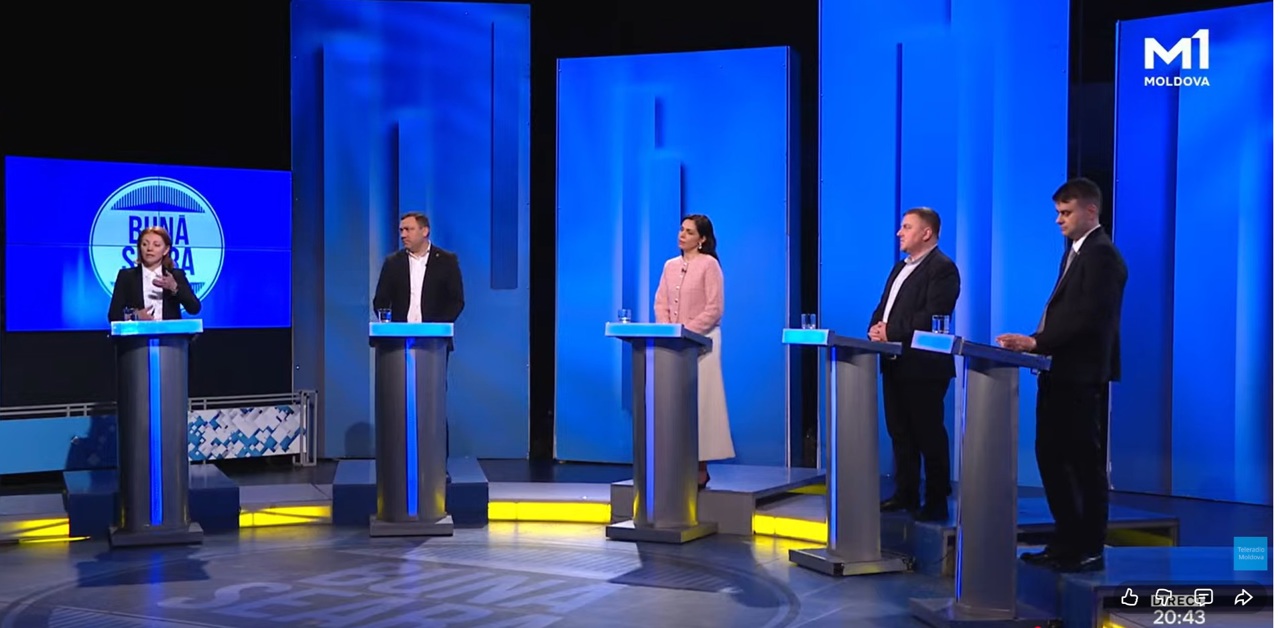
Angelica Caraman, President of the Central Electoral Commission (CEC), confirmed that while 10 localities are currently undergoing local elections, the next general local elections are not scheduled until autumn 2027. Under the current Electoral Code, no new local elections can be held within one year of a general cycle.
The CEC is collaborating with the Ministry of Justice and the State Chancellery to align the reform with constitutional standards. Officials are debating whether to halt interim local elections entirely as the consolidation process begins this autumn.
Protecting local representation
The primary concern for civil society remains the democratic voice of smaller communities. Experts from ADEPT and Promo-LEX warn that the merger process must guarantee that small villages retain access to budgets and decision-making power within new, larger councils.
MP Vasile Grădinaru of the Action and Solidarity Party (PAS) reassured stakeholders that the process will be gradual. He stated that all current mayors and councilors will serve their full terms until 2027 to ensure constitutional continuity.
Administrative capacity and pressures
The reform seeks to address the "capacity gap" in town halls that currently operate with only three or four staff members. By pooling resources, the government aims to provide more efficient public services to a shrinking population.
However, the Congress of Local Authorities of Moldova (CALM) has raised concerns regarding potential pressure on local leaders to accept mergers. They advocate for a phased approach that prioritizes the interests of citizens over rapid administrative restructuring.
Translation by Iurie Tataru