Chisinau asserts sovereignty: Economic integration to end Transnistrian anomaly
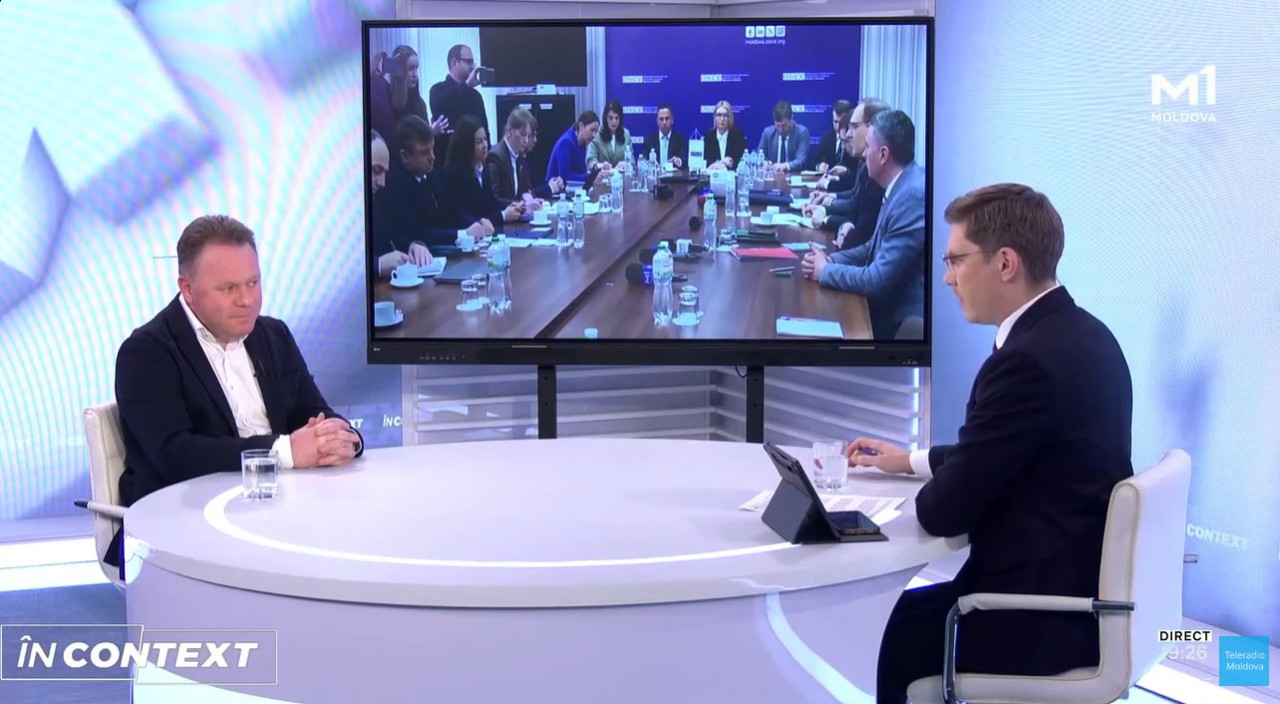
Following a pivotal meeting at the OSCE headquarters in Tiraspol on February 26, 2026, Moldovan officials signaled a strategic shift in conflict resolution. The dialogue aims to marginalize Russia's role as a "mediator" while forcing the breakaway region into the national economic and legal framework.
Former Deputy Prime Minister for Reintegration, Alexandru Flenchea, emphasized that the "1+1" format serves a critical geopolitical purpose. By maintaining direct contact with Tiraspol, Chisinau effectively invalidates Moscow’s claims to a seat at the negotiating table.
"The utility of these meetings is to keep the Russian Federation out of the process," Flenchea stated. He argued that as long as a formal bilateral dialogue exists, international formats involving Russia lose their justification.
Ending the fiscal "Gray Zone"
The Moldovan government is moving beyond rhetoric by phasing out tax and customs exemptions previously enjoyed by Transnistrian businesses. A new convergence fund will be established to support this reintegration, according to Parliament Speaker Igor Grosu.
Flenchea noted that restoring order begins with the fiscal sector, particularly regarding excisable goods like fuel and tobacco. "Moldova is a sovereign state; initiatives must come from us, not from a criminal secessionist administration," he added.
Energy transparency as a solution
The region’s economic stagnation is directly linked to the lack of energy regulation. Chisinau now insists on integrating the Transnistrian energy sector into the national grid through transparent, market-based contracts for all consumers.
"Once the gas sector in the East complies with the law, the period of austerity will end," Flenchea remarked. He also highlighted that a portion of the fuel imported into the region currently supplies the Russian military contingent, a practice the new fiscal controls aim to curb.
Human rights and education
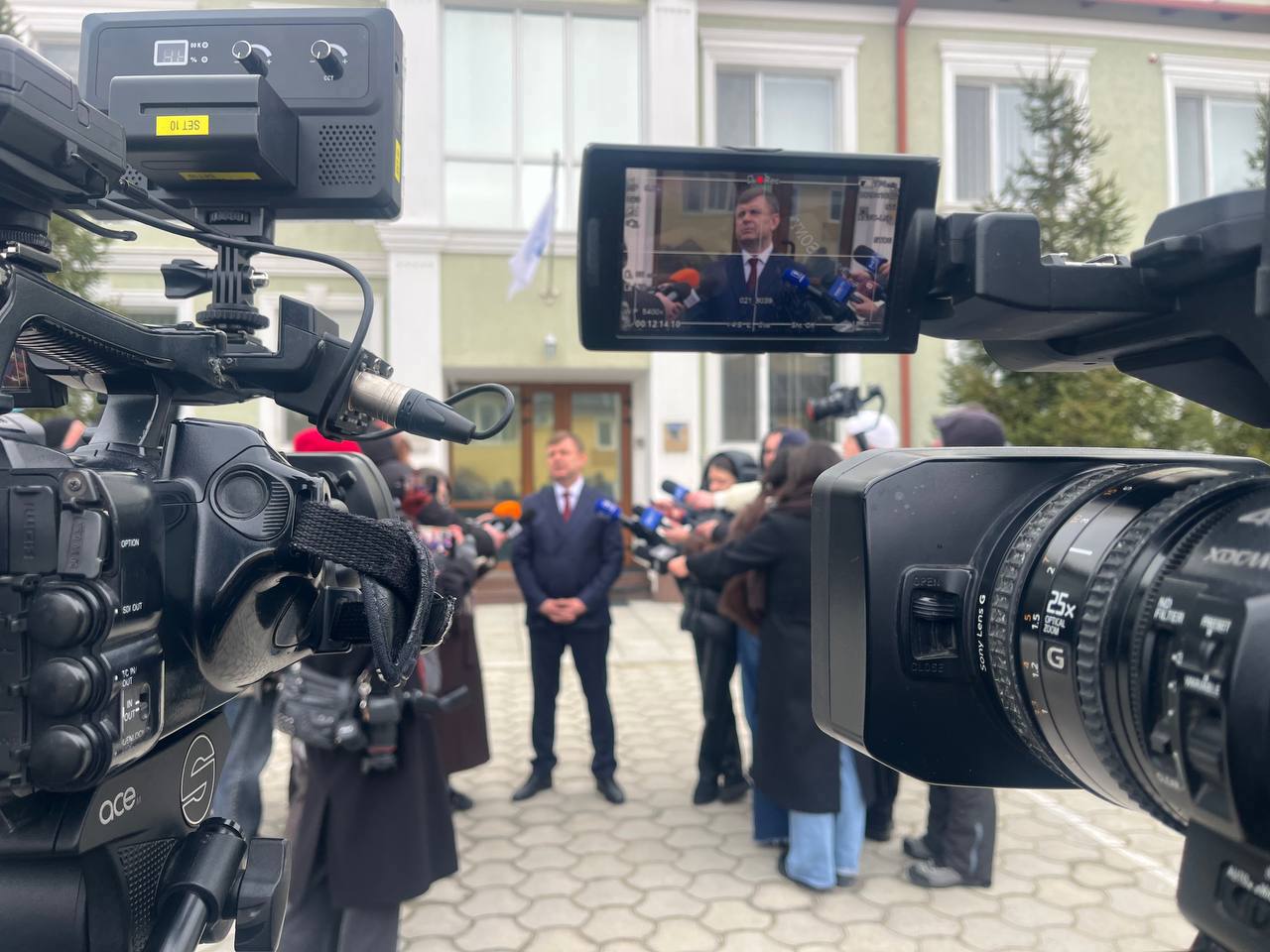
Vice Prime Minister Valeriu Chiveri, who assumed office in late 2025, reiterated that any solution must respect Moldova’s territorial integrity. Key discussion points included the free movement of journalists and the protection of human rights defenders.
Furthermore, Chisinau is increasing support for Romanian-language schools in the region. This includes providing methodological aid and textbooks to teachers who have been unofficially teaching the Latin script for years, ensuring a cultural bridge remains intact.
Translation by Iurie Tataru