Israel launches pre-emptive strike on Tehran; sirens sound in Jerusalem as retaliation looms
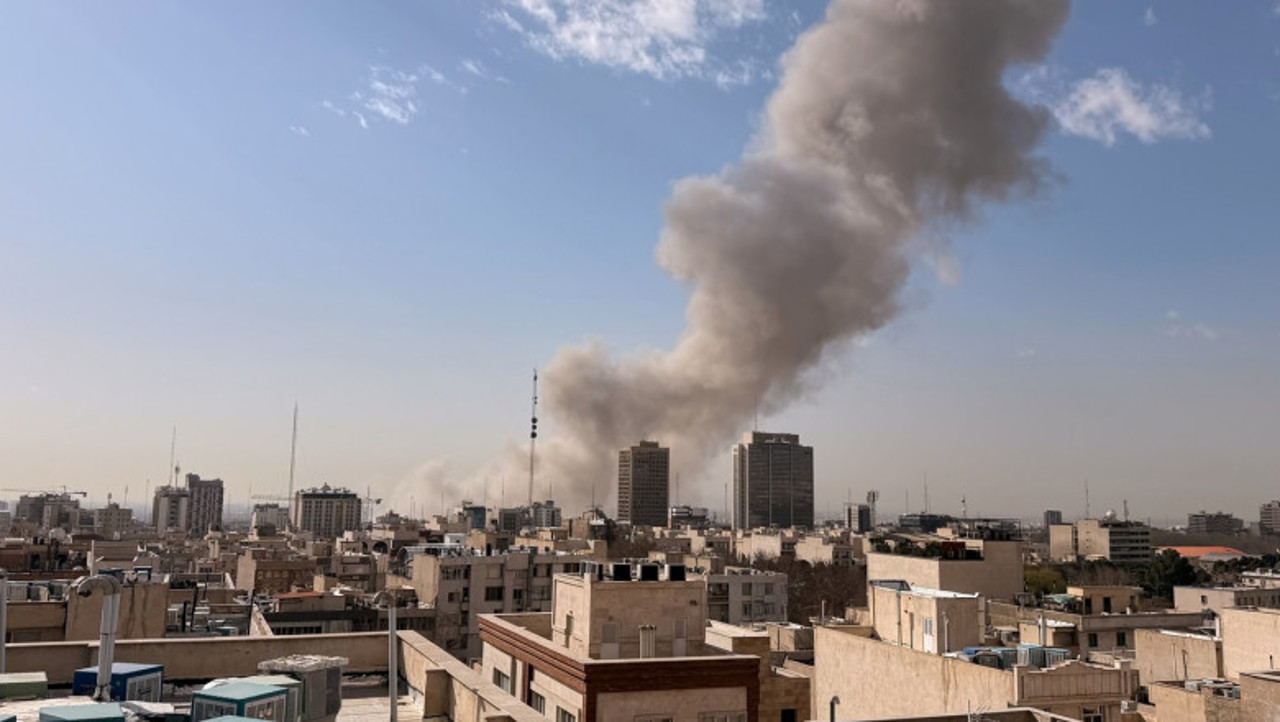
The Israeli military launched a "pre-emptive strike" against Iran on the morning of Saturday, February 28. Iranian media reported at least three explosions in the center of Tehran.
The strikes follow a 12-day air war in June 2025. Both the U.S. and Israel had repeatedly warned of military action if Iran continued its nuclear and ballistic programs.
Military operations and alerts
The Fars News Agency reported that several missiles struck the Republic district of the Iranian capital. In response, air raid sirens are currently sounding in Jerusalem.
Israeli authorities have issued an "extremely grave alert" regarding potential Iranian retaliation. The IDF has transitioned the entire national territory to "Essential Operations" status as of 08:00 AM.
Citizens received mobile alerts instructing them to remain near protected spaces. Israel has officially closed its airspace to all civilian flights following the operation.
Multiple explosions rocked central Tehran. pic.twitter.com/sZzPuRcZvV
— IRNA News Agency ☫ (@IrnaEnglish) February 28, 2026
Diplomatic failure and regional risk
The escalation comes despite the resumption of U.S.-Iran negotiations in early February. These talks aimed to resolve a decades-long dispute and avoid a destabilizing military confrontation.
Israel maintains that any agreement must dismantle Tehran’s nuclear infrastructure. They have pressured Washington to include restrictions on Iran’s ballistic missile program in any deal.
The threat of wider conflict
Tehran previously warned neighboring countries that host U.S. troops of retaliation against American bases if attacked. In June, the U.S. joined an Israeli campaign against Iranian nuclear facilities.
During that conflict, Tehran retaliated by launching missiles at the Al Udeid Air Base in Qatar. This remains the largest U.S. military installation in the Middle East.
Western powers continue to warn that Iran’s ballistic project threatens regional stability. While Tehran denies seeking atomic weapons, the risk of nuclear-capable delivery systems remains a primary concern.
Translation by Iurie Tataru